Description: Nineteen out of an original twenty white marble columns, all on identical bases. The columns, 0.75 in diameter, are smooth to a height of 1.73, and fluted above. They are made in two sections; the join between the two is not always at the same point, being sometimes below, and sometimes above the line where the fluting begins, but the overall effect is uniform and elegant.
Text: Each of the surviving columns bears an inscription, inscribed just below the fluting, at a distance varying from 0.3 to 0.05, on the west face of the column. The inscriptions were, therefore, on the face sheltered by the roof of the portico, and have preserved traces of red paint in the letters. They form a series to be read from left to right—that is, from north to south. They were probably carved in that order; the lettering is at its most formal at the northern end of the portico, and becomes more cursive towards the south. Text 2 is graffito; Text 3 is very lightly inscribed.
Letters: 1: The letters are clearly cut, with deep triangular trenches. They vary substantially in size—mostly between 0.04 and 0.07, but occasionally 0.03 to 0.09— and in form, with both square and lunate versions of alpha, delta, epsilon, mu and omega. Scroll for abbreviation in ix, xiii, xvi, xvii, xx. 2: 0.01. 3: Shallow lettering, 0.035 - 0.05.
Date: Sixth century CE (lettering)
Findspot: Aphrodisias: Place of Palms/South Agora: West Portico: i: 'Galerie de l'Est (partie Nord). iv: 'Galerie de l'Est (partie Nord)' Boulanger; xiii: 'Galerie de l'Est: plus à l'Est' (than 4.10 =ALA 26) (Boulanger).
Original location: Place of Palms/South Agora, West Portico
Last recorded location: Findspot (re-erected).
i
ii
iii
iv
v
vi
vii
viii
ix
x
xi
xii
(Column lost)
xiiixiv
xv
xvi
xvii
xviii
xix
xx
2
3
Apparatus
1.iv: ϲυγκλήτου Grégoire, IGC, 1922
1.viii.1: This line, where Fellows saw some traces of letters, was omitted by Reinach.
1.xiii: ϲυγκλήτῳ Grégoire, IGC, 1922
1.xix.2: the Ο of πόλιν is written above the Π.
English translation
Translation source: Chaniotis, 2024
(1.i): In the entire world, there is one God!
(1.ii): Many years for the emperors!
(1.iii): Many years for the prefects!
(1.iv): Many years for the senate!
(1.v): Many years for the metropolis!
(1.vi): Look around, Albinos! May the builder of the stoa prosper!
(1.vii): Lord, lover of the fatherland, may you remain for us!
(1.viii): Your buildings, Albinos, lover of building works, are an eternal reminder.
(1.ix): [---] Albinos clarissimus (i.e. most renowned)!
(1.x): Look around, Albinos, see what you have donated!
(1.xi): The entire city says this: “your enemies to the river!” May the great god grant us this!
(1.xii) is lost.
(1.xiii): May Albinos prosper! The clarissimus to the senate!!
(1.xiv): [---] Envy shall not prevail over fortune!
(1.xv): May Albinos prosper, the builder also of this work!
(1.xvi): You disregarded (your) property and obtained glory, Albinos, clarissimus!
(1.xvii): Lover of the fatherland, following your ancestors, Albinos, clarissimus, may you receive plenty
(1.xviii): [- -] providing to the city, he is being praised in acclamations [in this].
(1.xix): With your buildings you have brightened the city, Albinos, lover of the fatherland!
(1.xx): The entire city, having praised you in acclamations in one voice, says: “He who forgets you, Albinos, clarissimus, does not know God”.
English translation
Translation source: ALA 2004
(1.i): God is one, for the whole world!
(1.ii): Many years for the emperors!
(1.iii): Many years for the eparchs!
(1.iv): Many years for the Senate!
(1.v): Many years for the metropolis!
(1.vi): PERDE Albinos - up with the builder of the stoa!
(1.vii): Lord, lover of your country, remain for us!
(1.viii): Your buildings are an eternal reminder, Albinos, you who love to build.
(1.ix): [---] Albinos clarissimus.
(1.x): PERDE Albinos, behold what you have given!
(1.xi): The whole city says this: 'Your enemies to the river! May the great God provide this!'
(1.xii) is lost.
(1.xiii): Up with Albinos clarissimus, to the Senate!
(1.xiv): [---] envy does not vanquish fortune.
(1.xv): Up with Albinos, the builder of this work also!
(1.xvi): You have disregarded wealth and obtained glory, Albinos clarissimus.
(1.xvii): Albinos clarissimus, like your ancestors a lover of your country. may you receive plenty.
(1.xviii): Providing [a building?] for the city, he is acclaimed [in it also?].
(1.xix): With your buildings you have made the city brilliant, Albinos, lover of your country.
(1.xx): The whole city, having acclaimed (scil. you) with one voice, says: 'He who forgets you, Albinos clarissimus, does not know God.'
(2): Not translatable
(3): The fortune of the city triumphs!
English translation
Translation source: Fellows, 1841
1.viii: . . . eternal remembrance. Albinus Philoctistes [fare-well].
German translation
Translation source: Merkelbach and Stauber, 1998
(1.vi): Furze, Albinus! Gründer der Stoa, gedeihe und werde befördert!
(1.vii): Heimatliebender Chef, mögest du uns stets erhalten bleiben!
(1.viii): Deine Bauten werden eine ewige Erinnerung an dich sein, bauliebender Albinus!
(1.x): Furze, und damit hat du uns einen Gefallen getan!
(1.xi): Die ganze Stadt spricht: Deine Feinde hinab in den Fluss, möge der grosse Gott uns dies gewähren!
Bibliography
Recorded: i: Mendel, 1905; Boulanger, notebooks A, 61, no. 20, whence B, 13, no. 13; iv: Mendel, 1905; Boulanger, notebooks A, 61, no. 19, whence B, 13, no. 12; viii :Fellows, 1840, Gaudin, 1904 33; xi: lines 1 and 2 Mendel, 1905, Boulanger, notebooks A, 60, no. 25; xiii: Lines 2-3 Mendel, 1905, Boulanger, notebooks A, 53, no. 3; 1 and 2: New York University expedition
Publication: 1.i, iv published from Mendel by Grégoire, IGC, 1922 271, 274 ; 1.viii: Fellows, 1841 63 , whence CIG II.3, 1843 2809b (p. 1112); Reinach, 1906 212 , whence Grégoire, IGC, 1922 273 ; 1 and 2: Roueché, 1984 , whence SEG 34.1046-1065 , BE 1987.466 , AE 1984.883 ;Roueché, ALA 83.i-xx, 84 whence McCabe, PHI, 1996 656, 845-864, 1. vi, vii, x, xi cited in Merkelbach and Stauber, 1998 02/09/01 ; ALA 2004 83, 84, IAph2007 4.21; Chaniotis, 2024 WS1, WS4, WS5, WS6, WS8, WS9, WS10, WS13, WS14, WS15, WS16, WS17, WS18, WS20, WS21, WS22, WS23, WS24, WS25, WS28.
Images
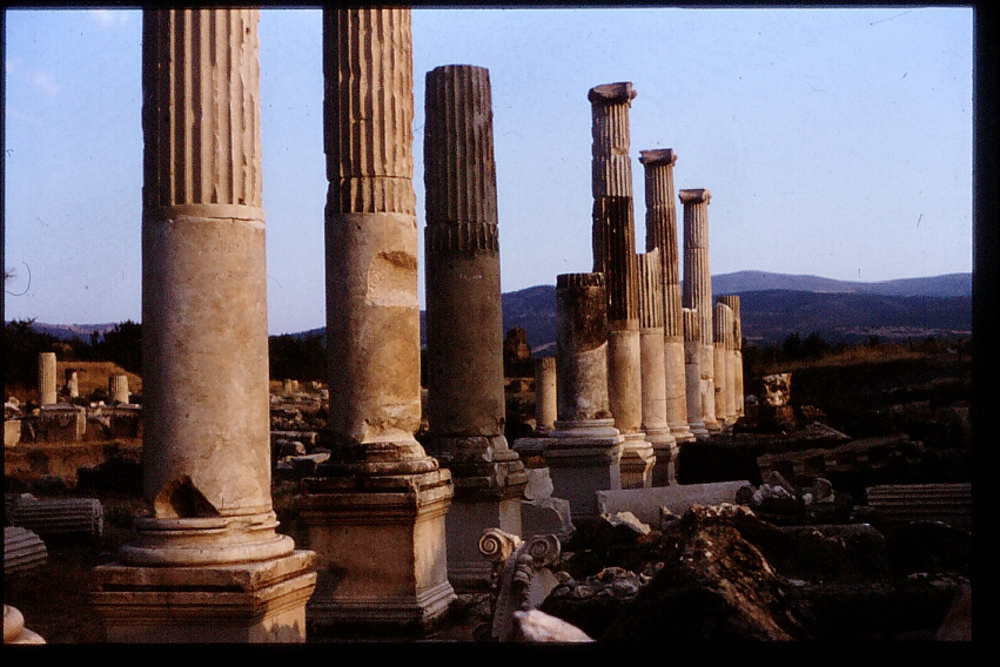
Fig. 1. View (Mossman Roueché, 1992)
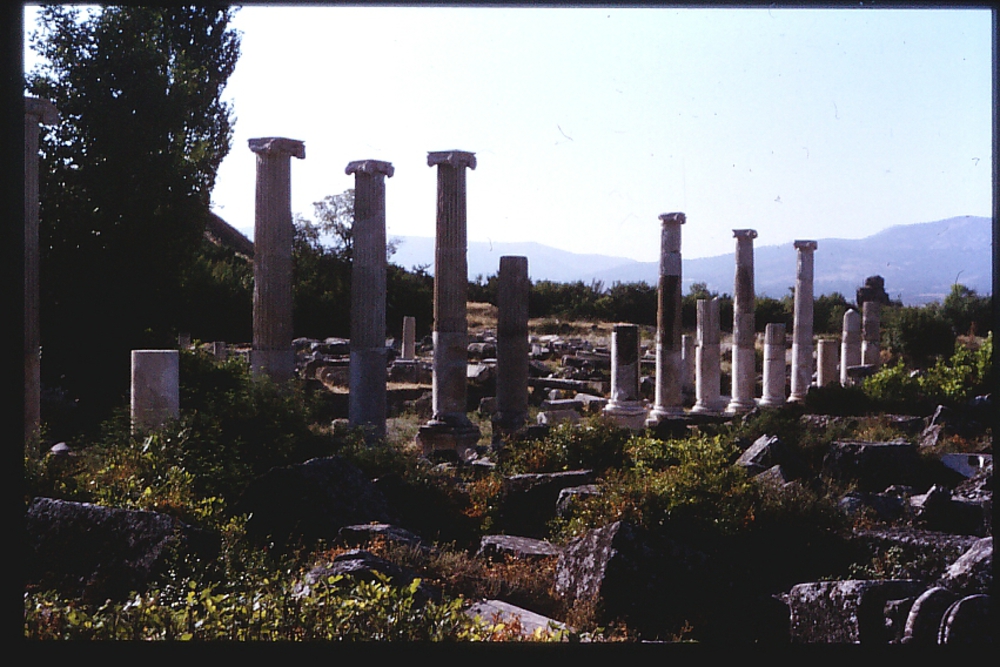
Fig. 2. View (Mossman Roueché, 1992)
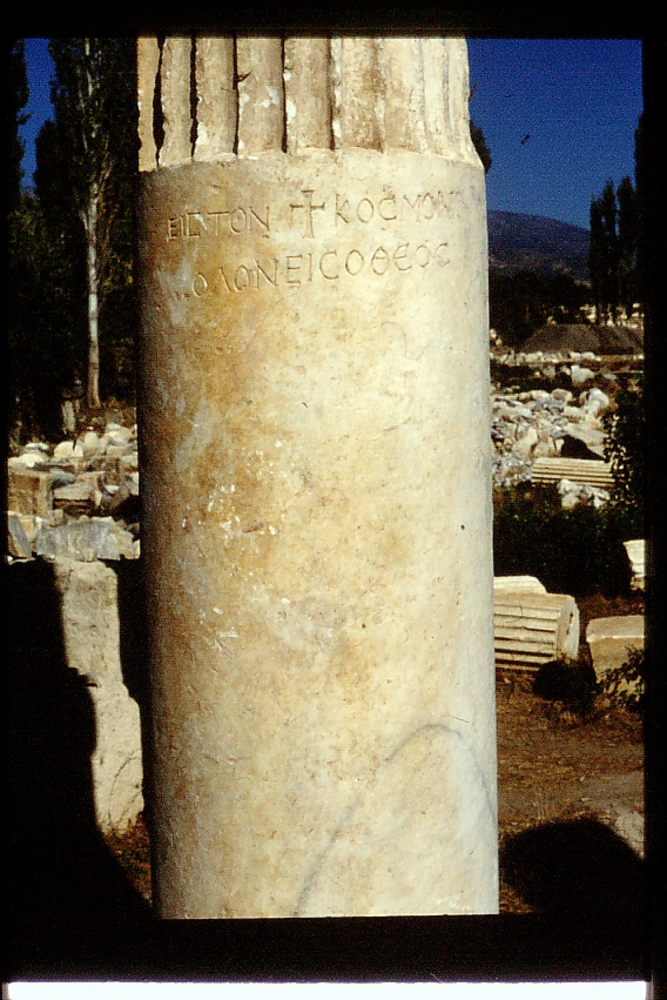
Fig. 3. i. re-erected (Mossman Roueché, 1992)
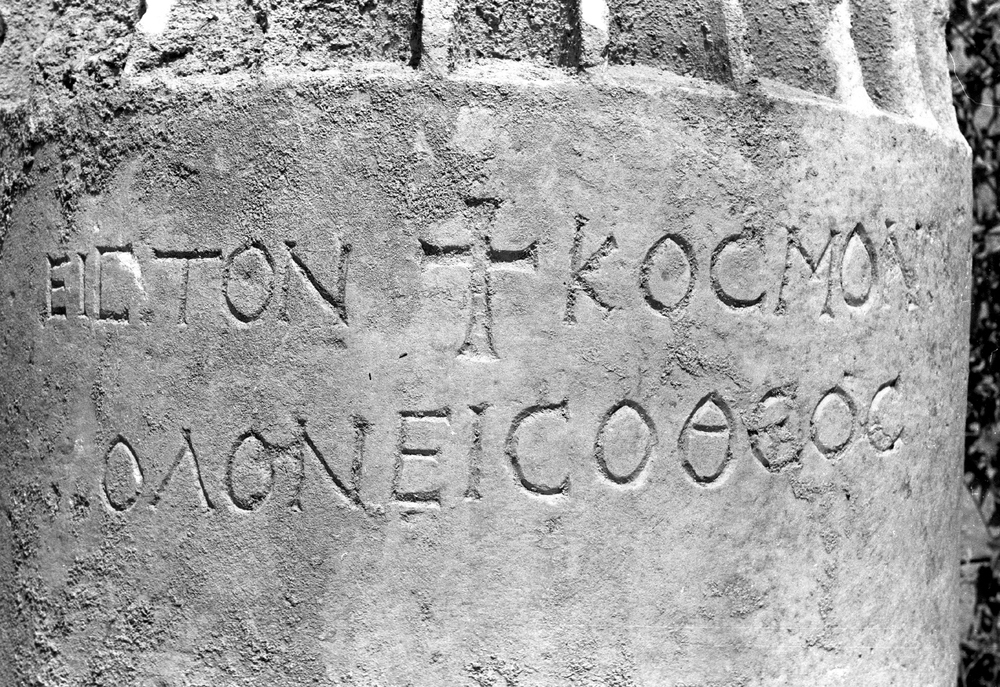
Fig. 4. i. Detail (Mossman Roueché, 1977)
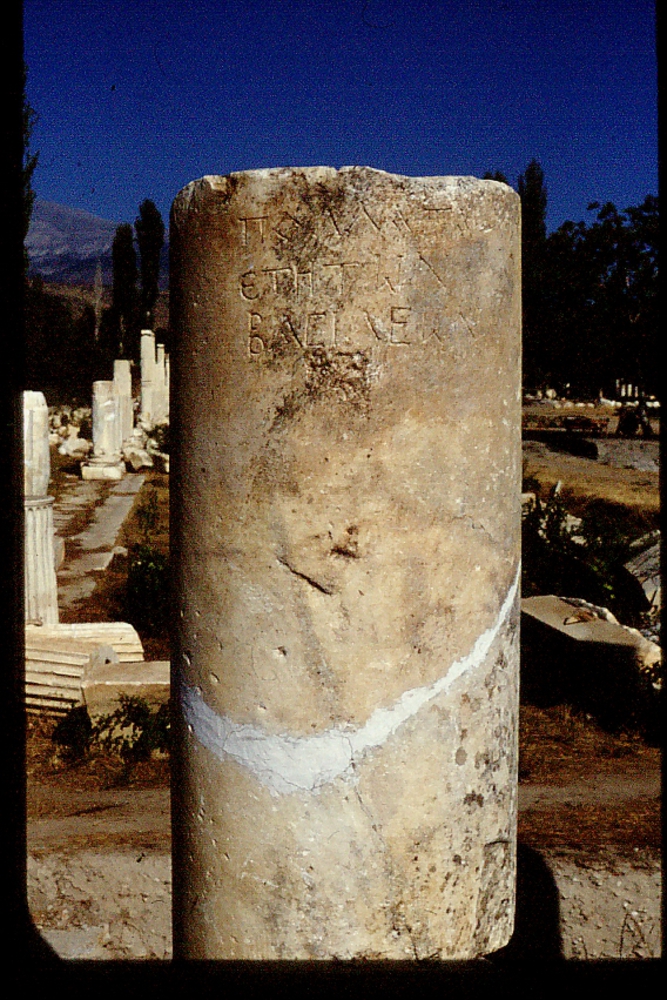
Fig. 5. ii. re-erected (Mossman Roueché, 1992)
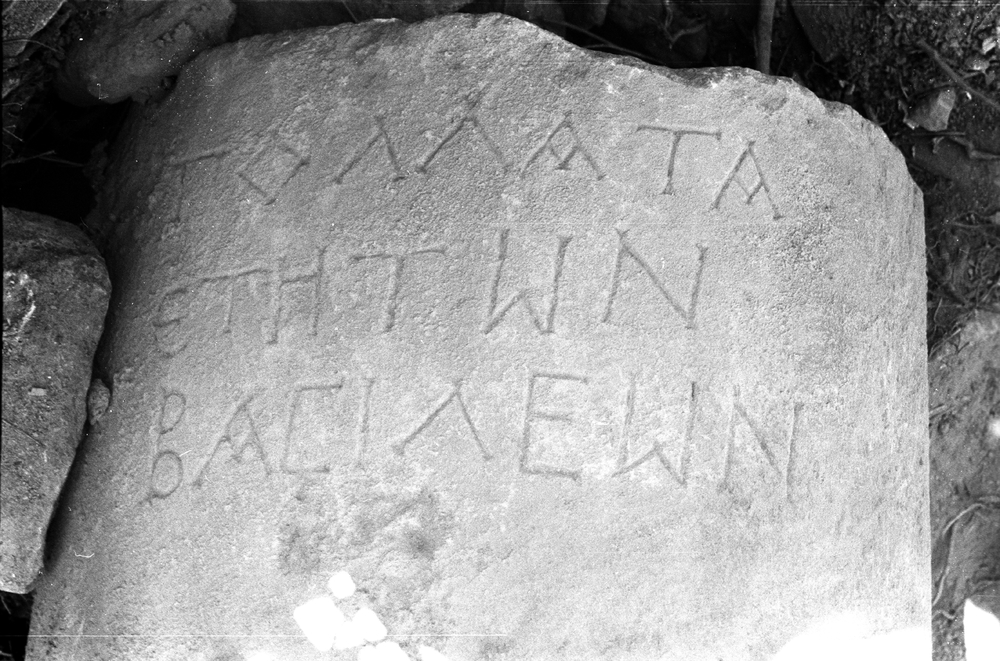
Fig. 6. ii. Detail (Mossman Roueché, 1973)
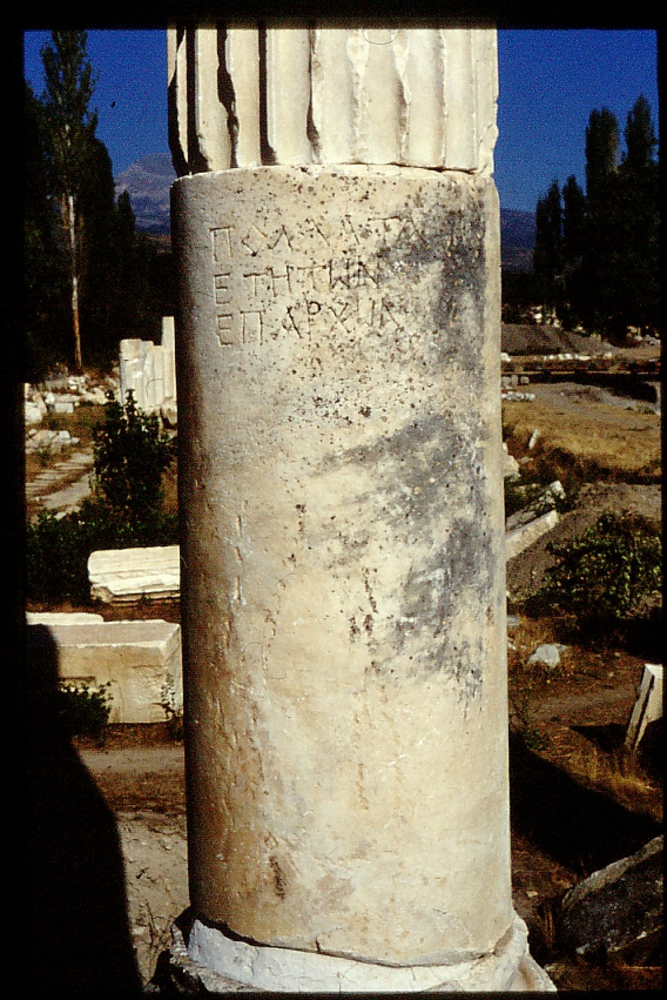
Fig. 7. iii. re-erected (Mossman Roueché, 1992)
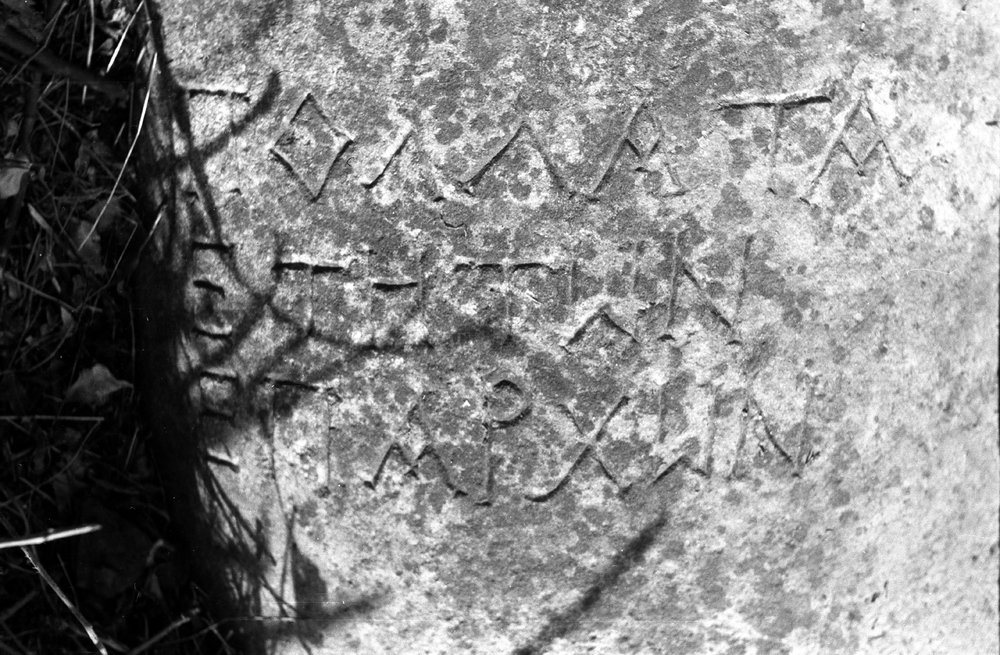
Fig. 8. iii. Detail (Mossman Roueché, 1973)
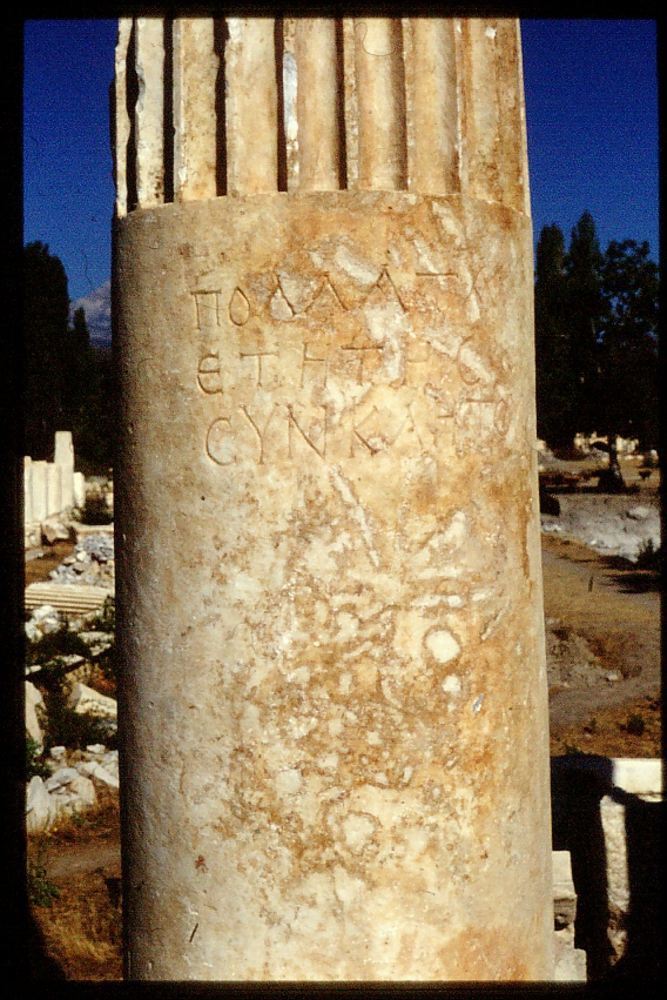
Fig. 9. iv re-erected (Mossman Roueché, 1992)
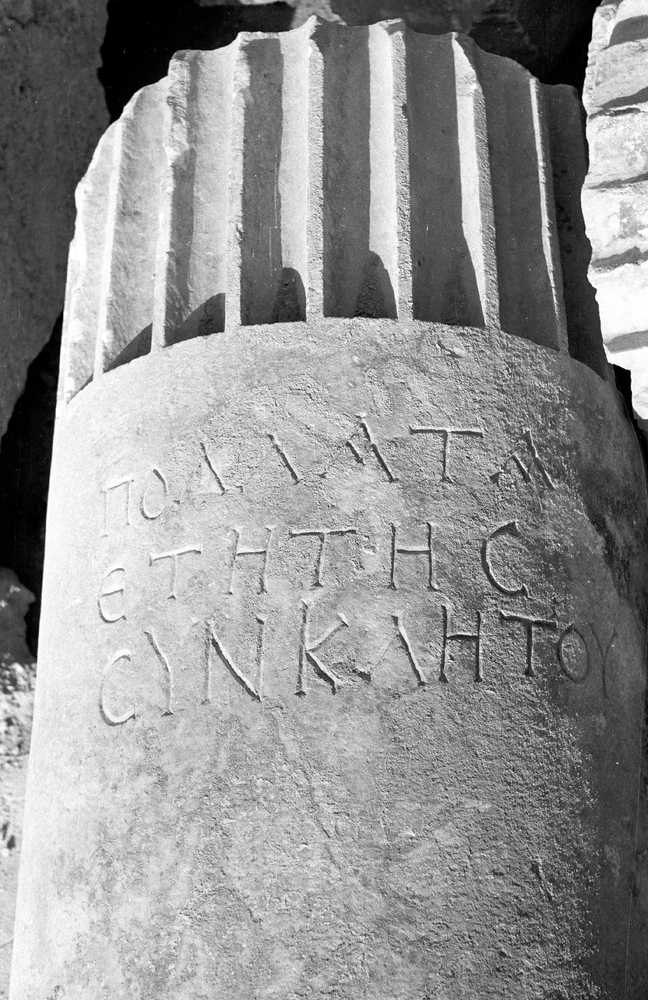
Fig. 10. iv. Detail (Mossman Roueché, 1976)
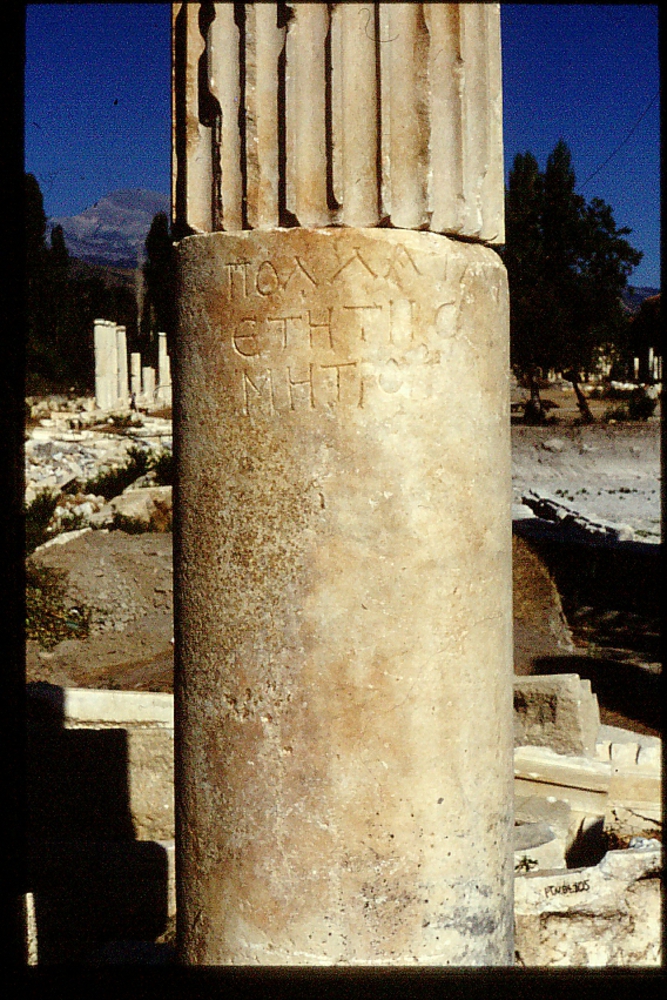
Fig. 11. v. re-erected (Mossman Roueché, 1992)
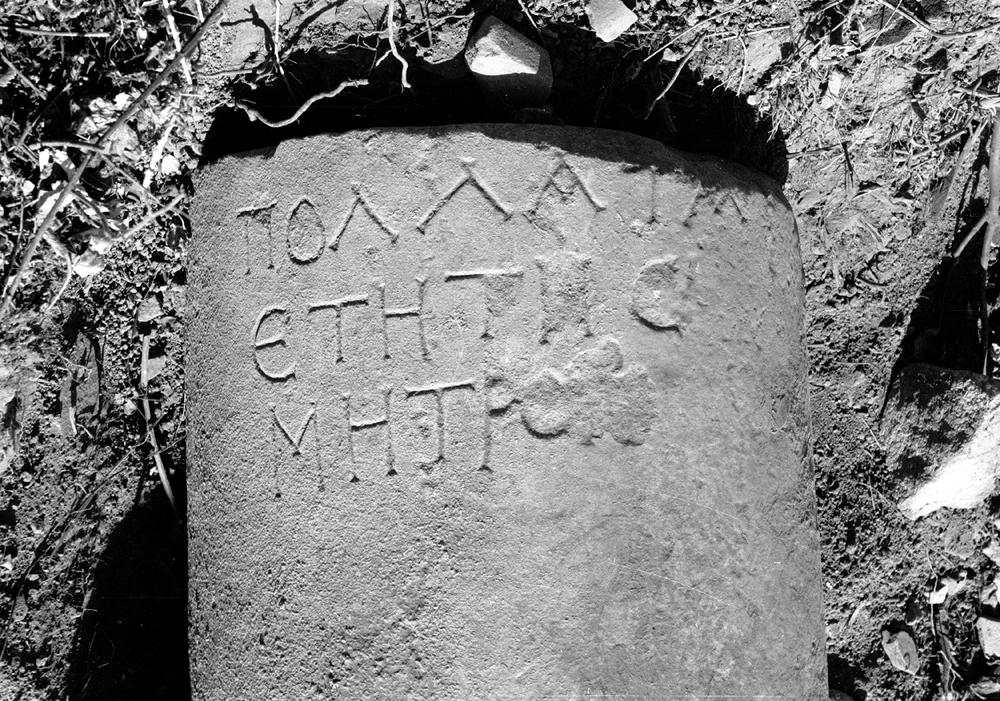
Fig. 12. v. Detail (Mossman Roueché, 1973)
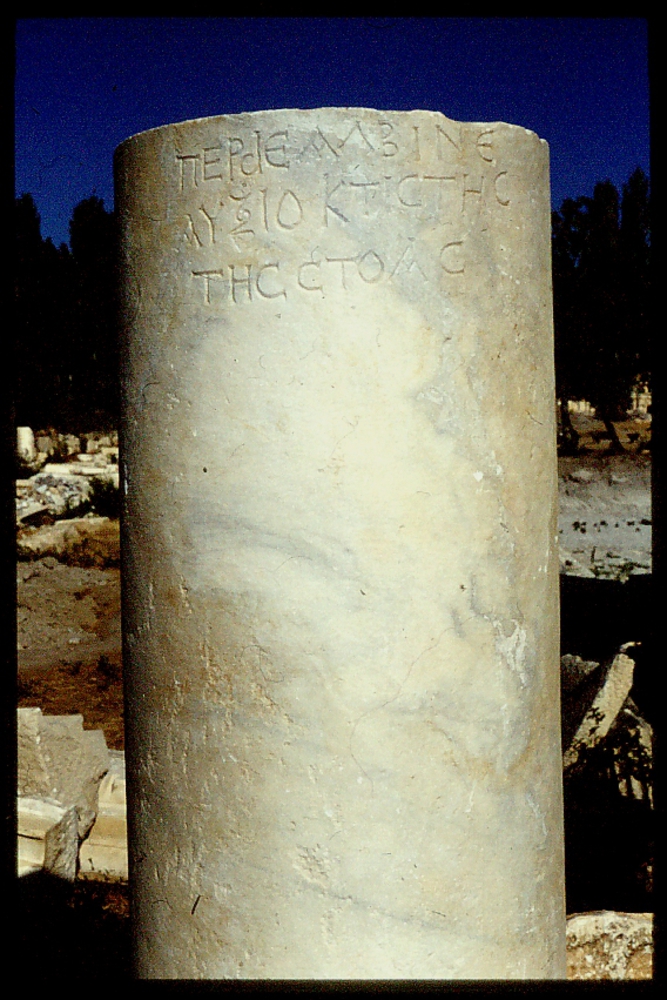
Fig. 13. vi. re-erected (Mossman Roueché, 1992)
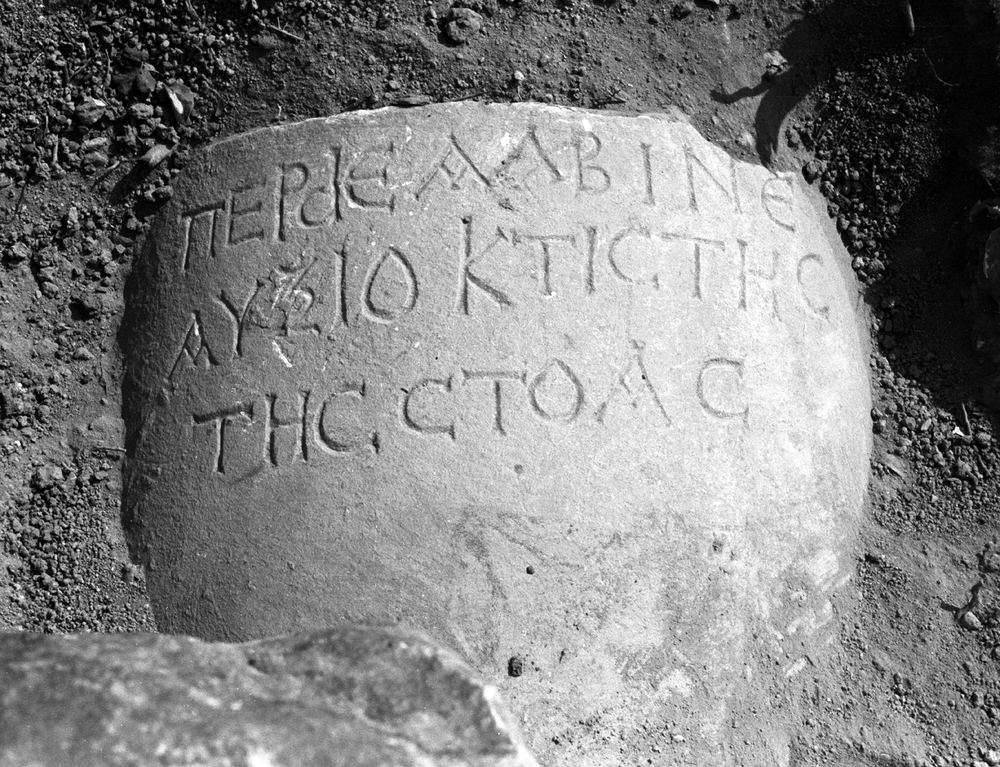
Fig. 14. vi. Detail (Mossman Roueché, 1973)
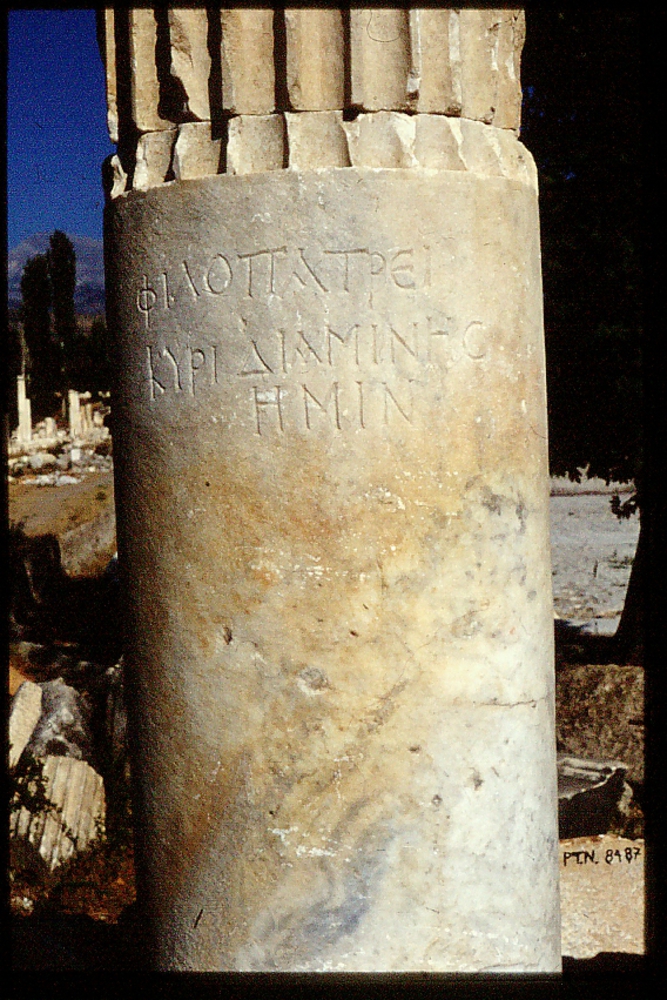
Fig. 15. vii. re-erected (Mossman Roueché, 1992)
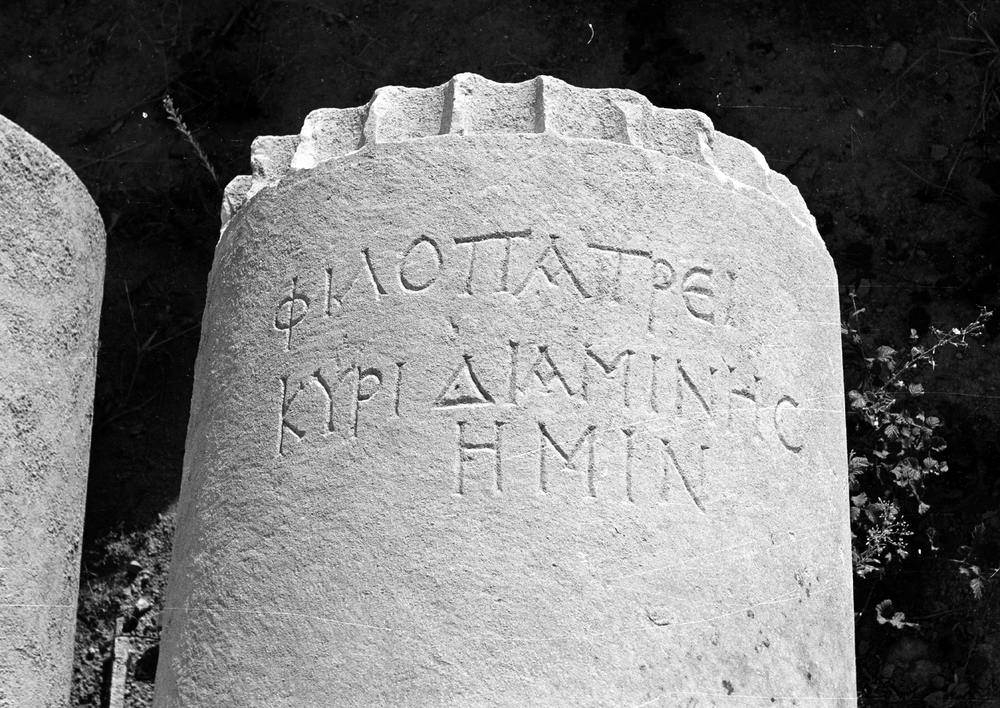
Fig. 16. vii. Detail (Mossman Roueché, 1976)
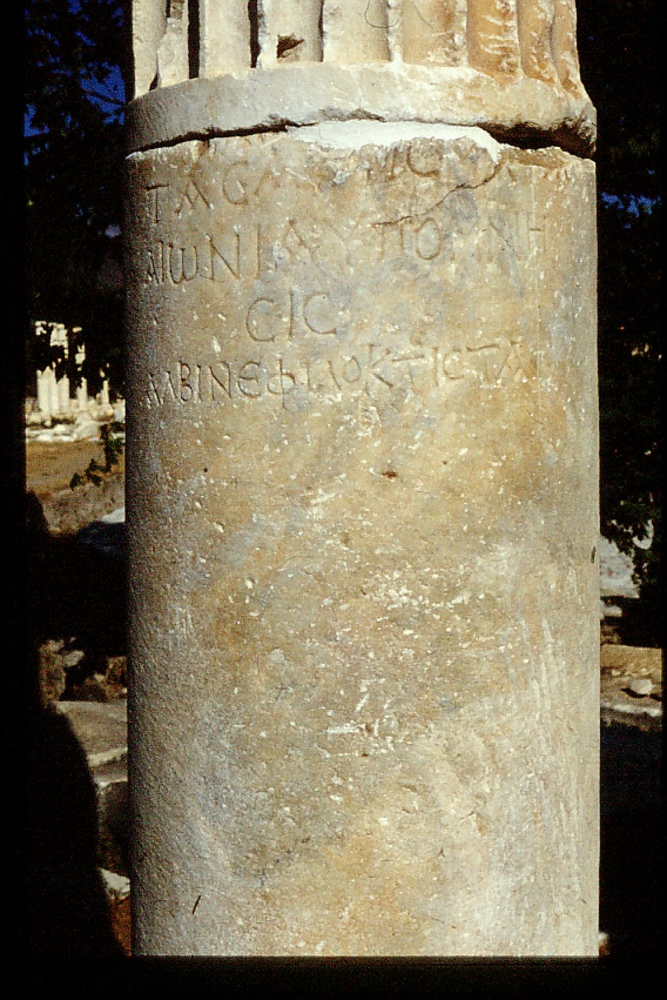
Fig. 17. viii. re-erected (Mossman Roueché, 1992)
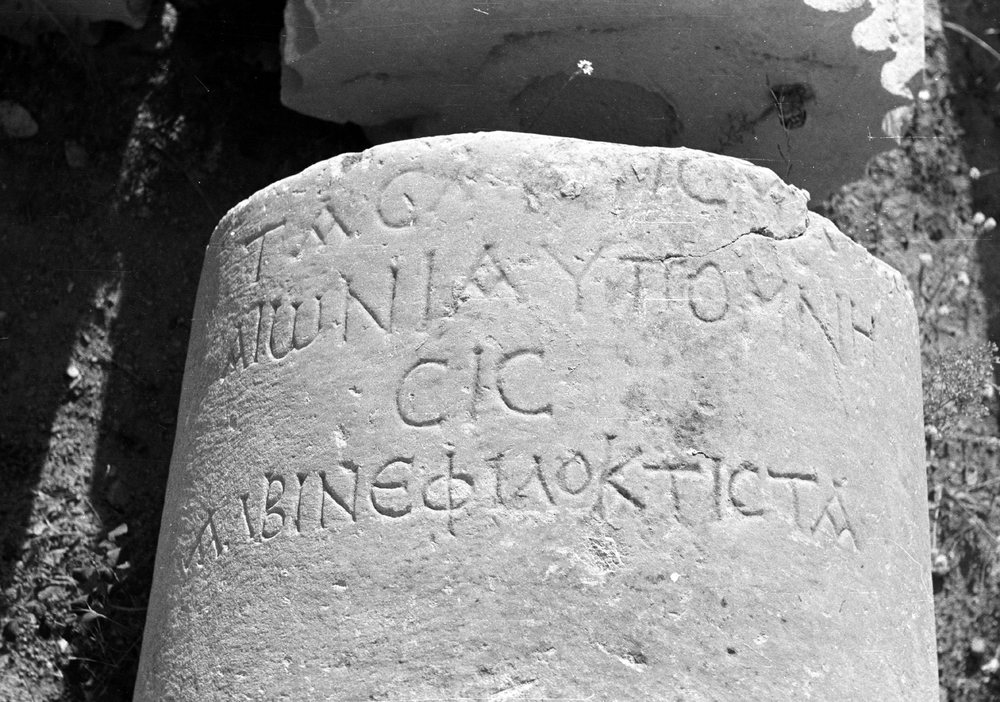
Fig. 18. viii. Detail (Mossman Roueché, 1976)
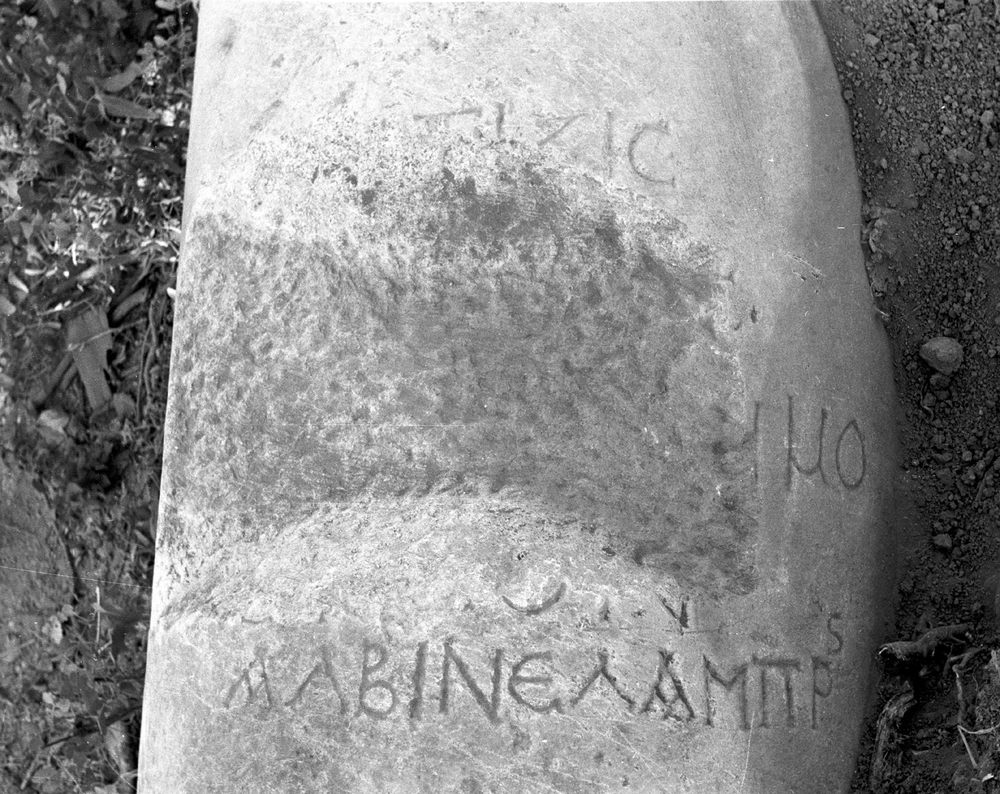
Fig. 19. ix. Detail (Mossman Roueché, 1973)
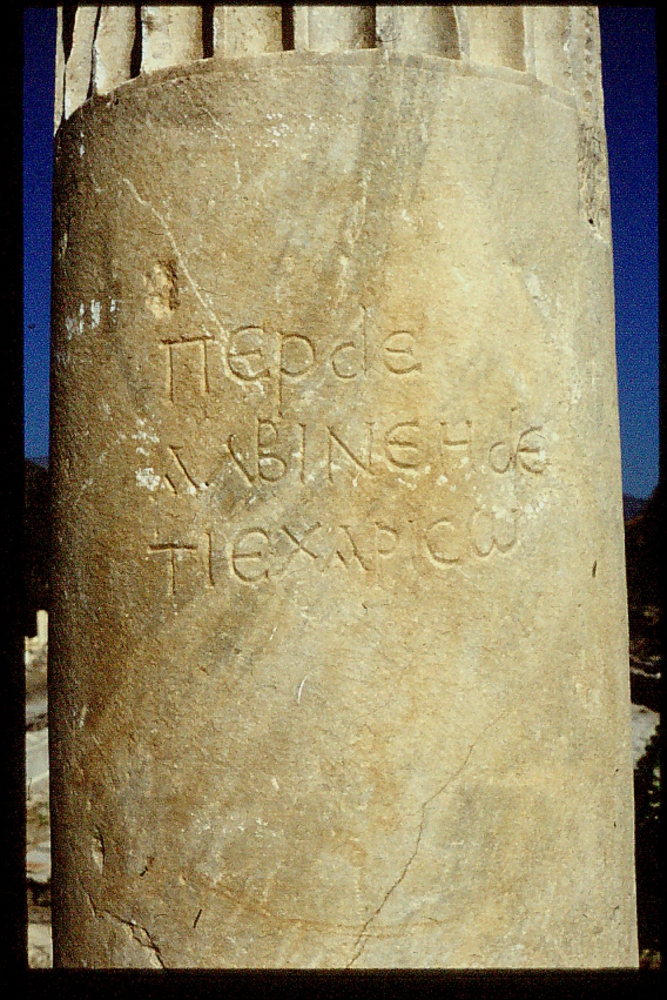
Fig. 20. x. re-erected (Mossman Roueché, 1992)
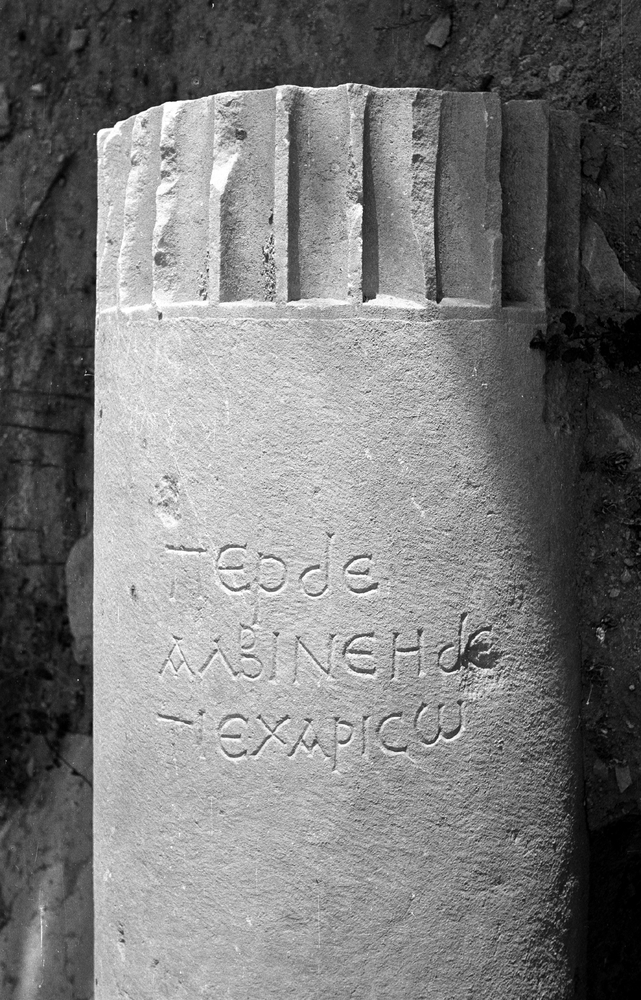
Fig. 21. x. Face (Mossman Roueché, 1976)
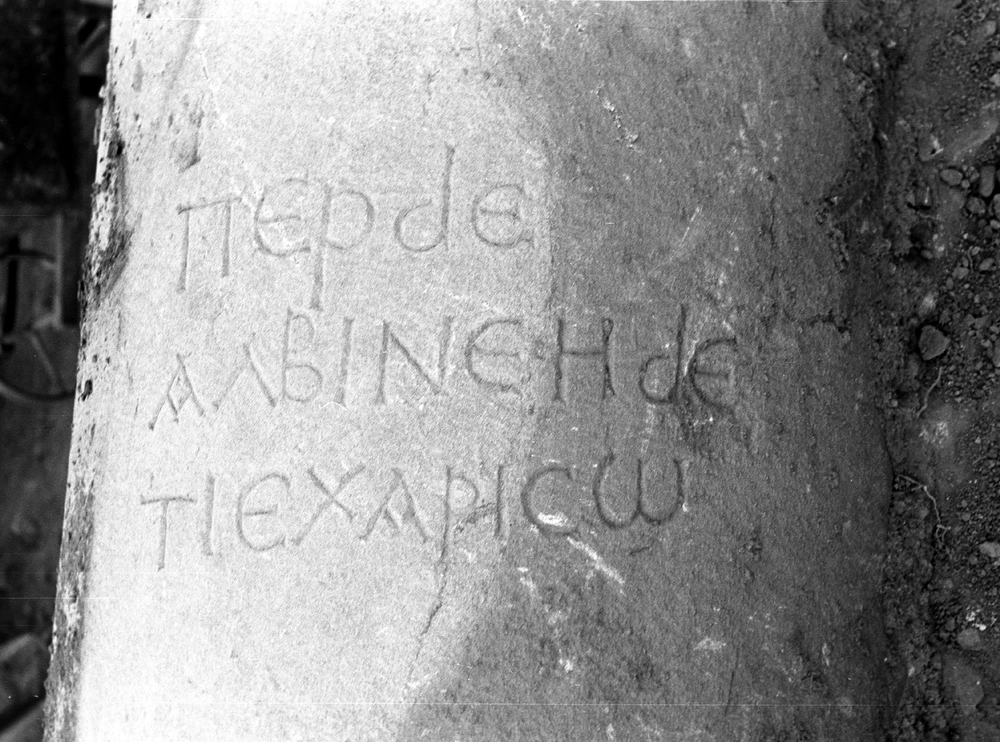
Fig. 22. x. Detail (Mossman Roueché, 1975)
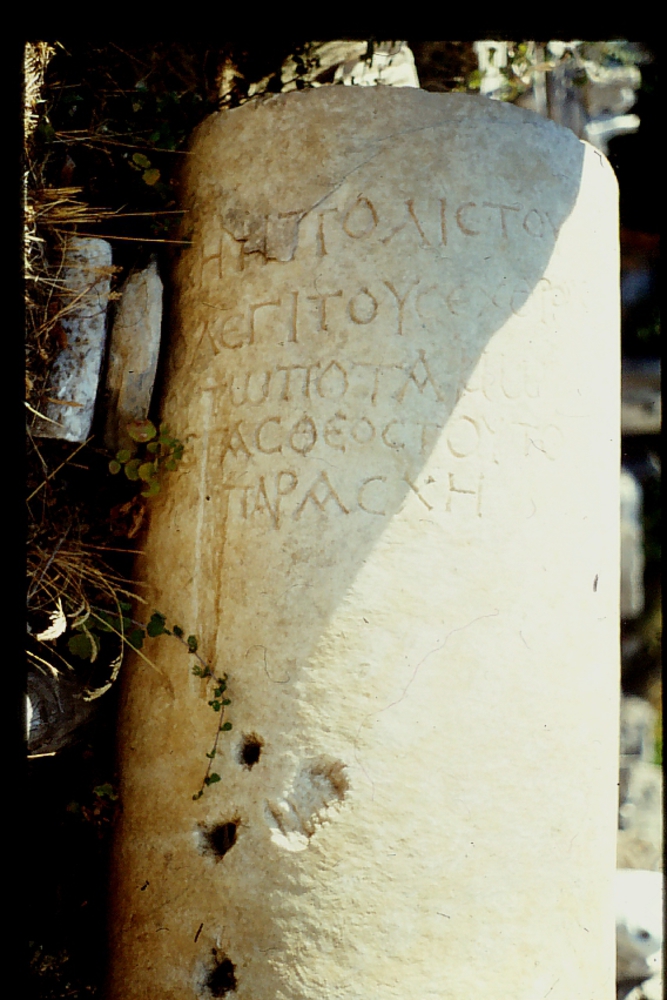
Fig. 23. xi. re-erected (Mossman Roueché, 1992)
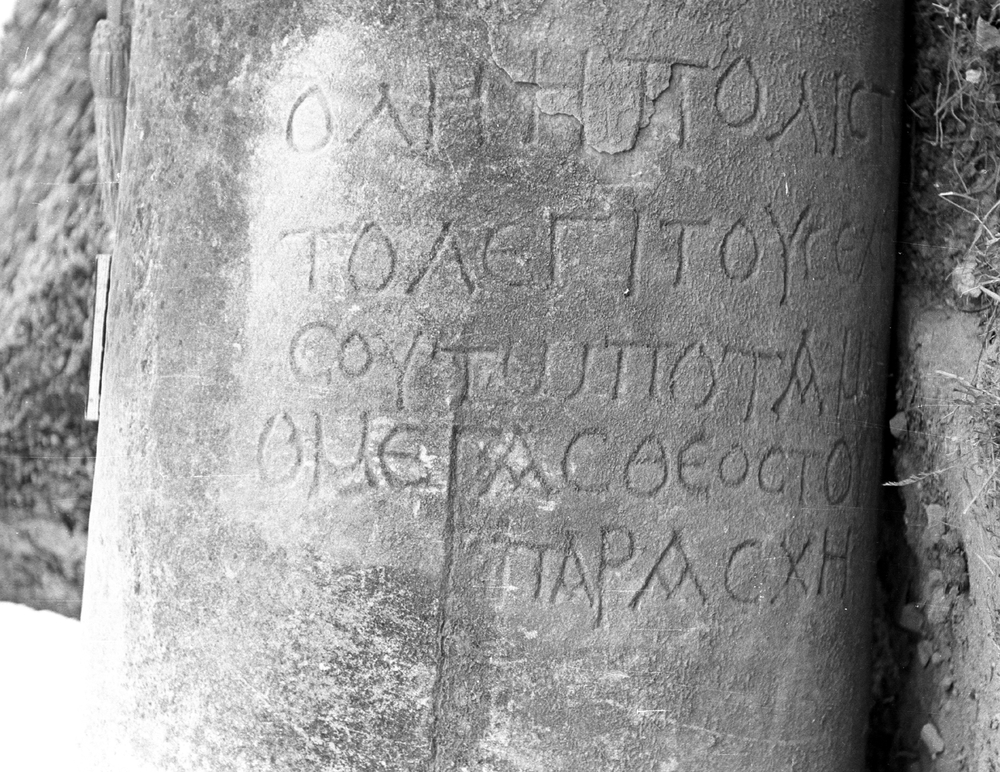
Fig. 24. xi. Detail (Mossman Roueché, 1976)
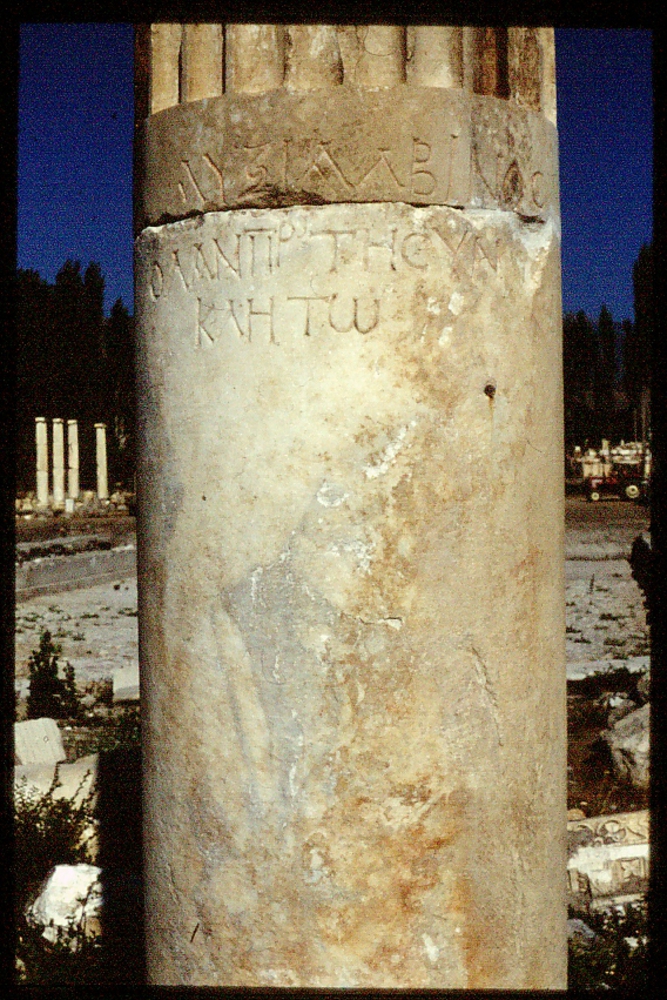
Fig. 25. xiii. re-erected (Mossman Roueché, 1992)
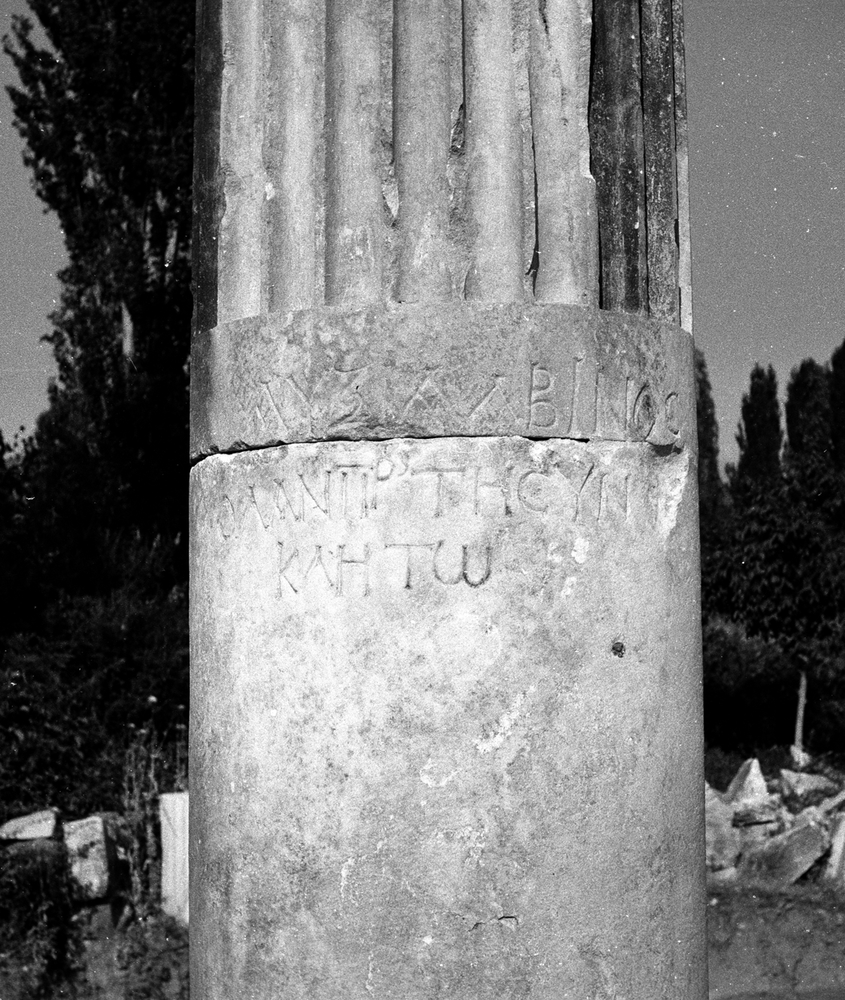
Fig. 26. xiii. Assembled (Mossman Roueché, 1985)
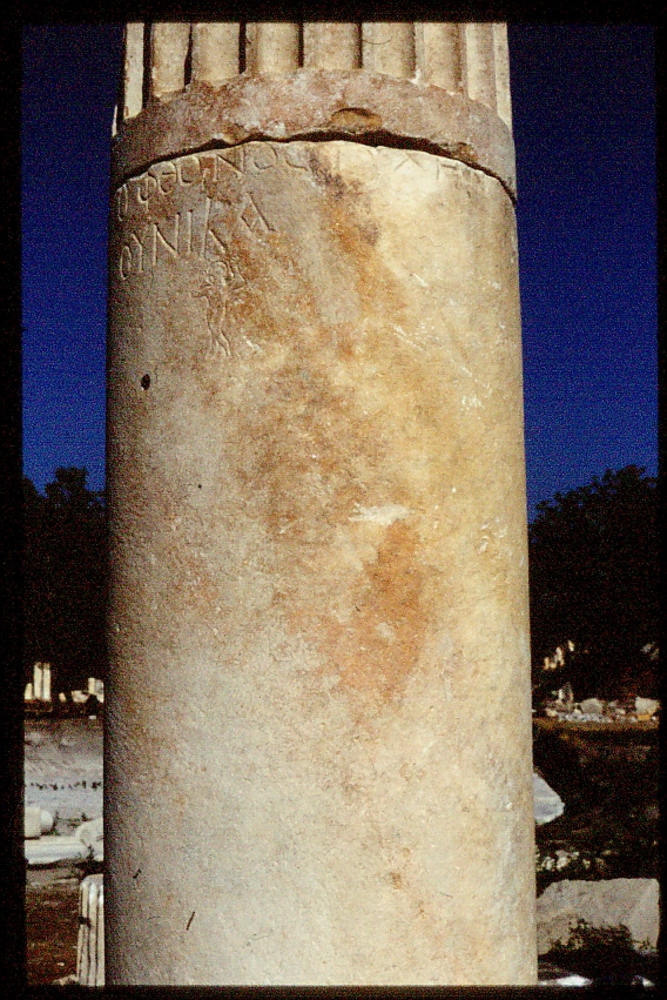
Fig. 27. xiv. re-erected (Mossman Roueché, 1992)
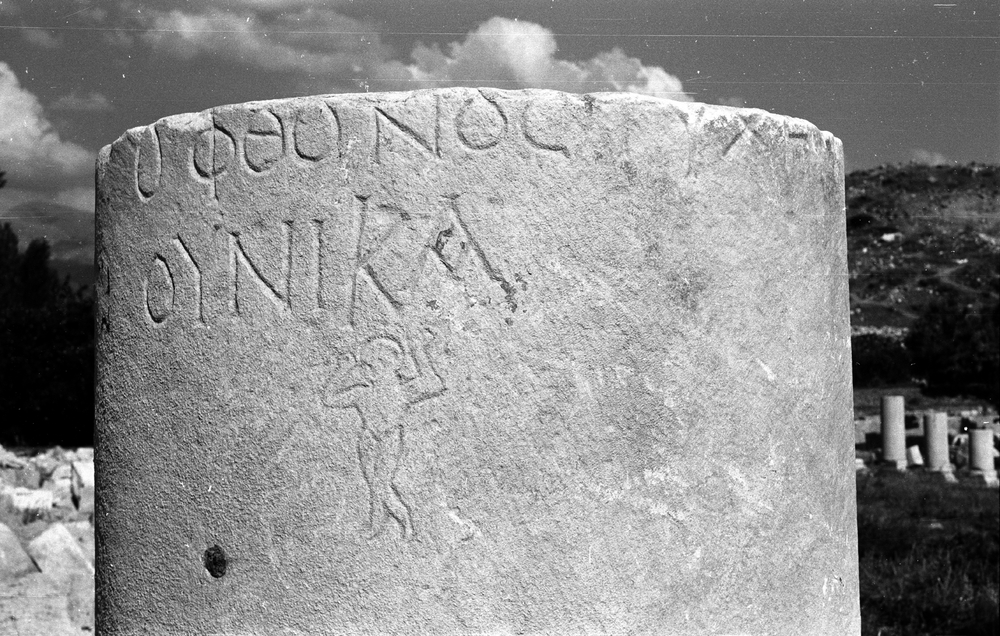
Fig. 28. xiv. Detail (Mossman Roueché, 1973)
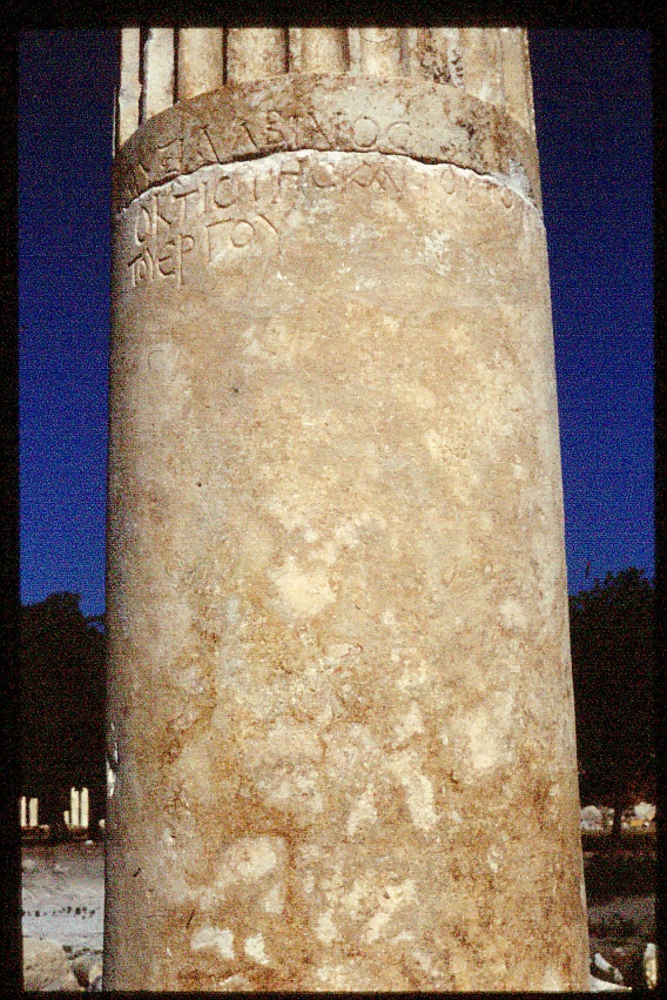
Fig. 29. xv. re-erected (Mossman Roueché, 1992)
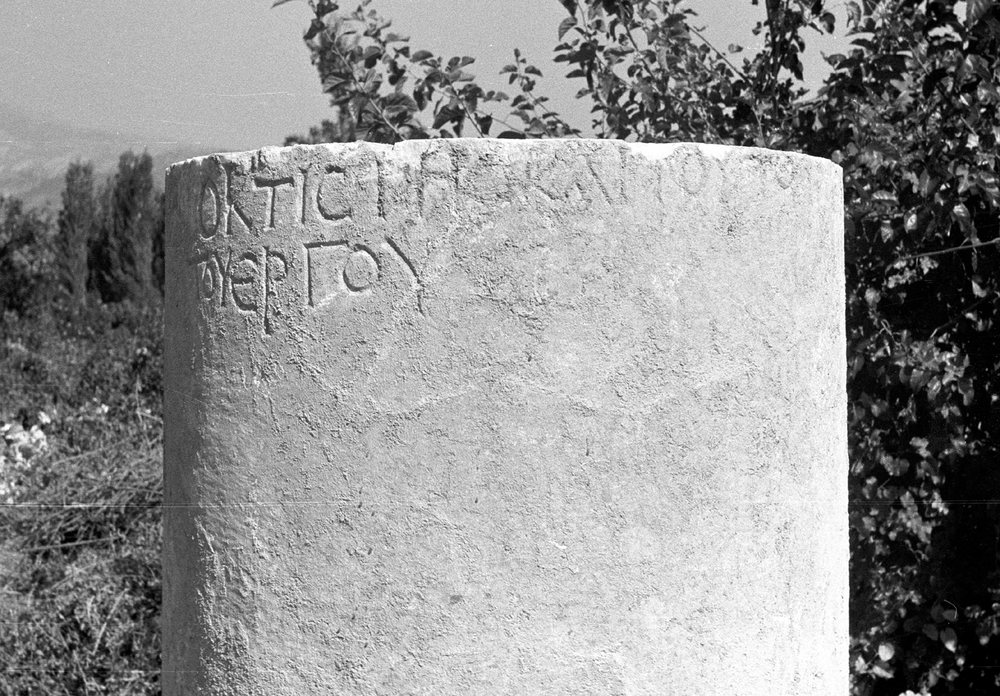
Fig. 30. xv. Lower part: Detail (Mossman Roueché, 1975)
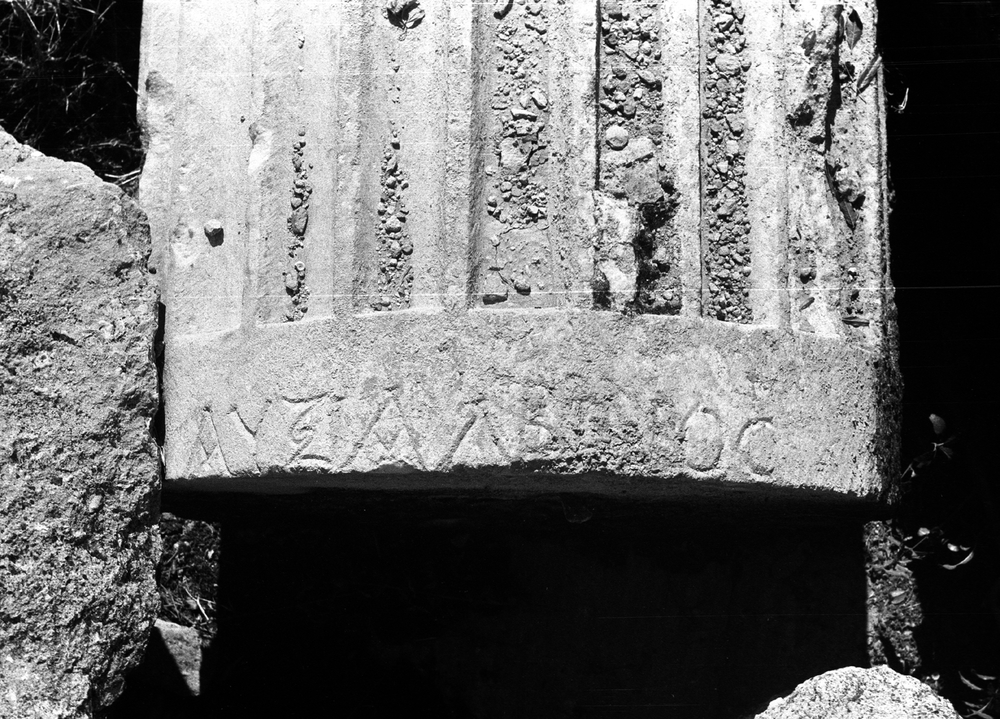
Fig. 31. xv. Upper part: Detail (Mossman Roueché, 1975)
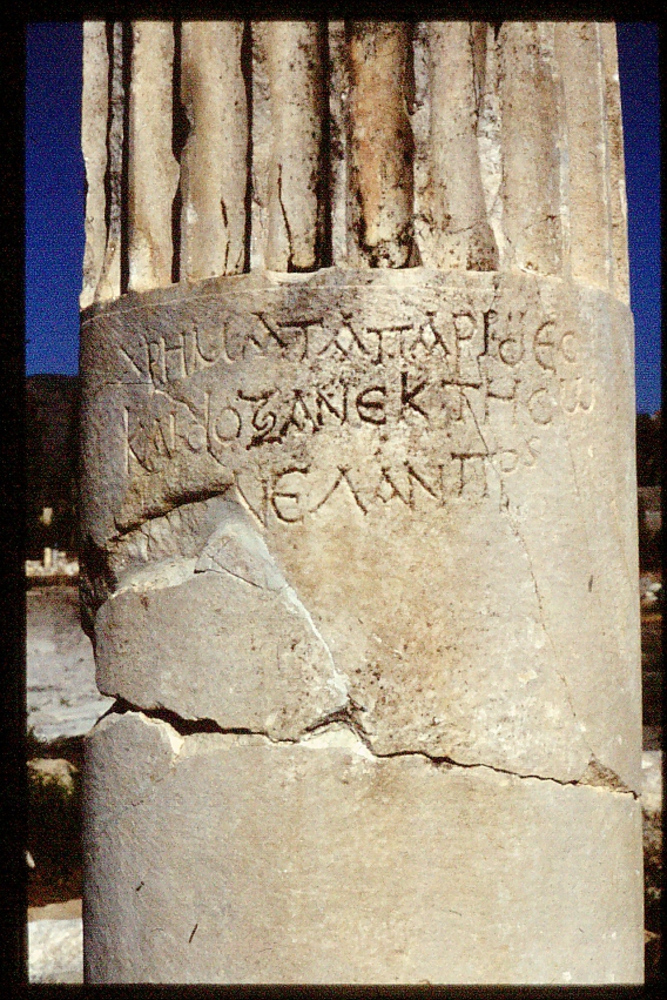
Fig. 32. xvi. re-erected (Mossman Roueché, 1992)
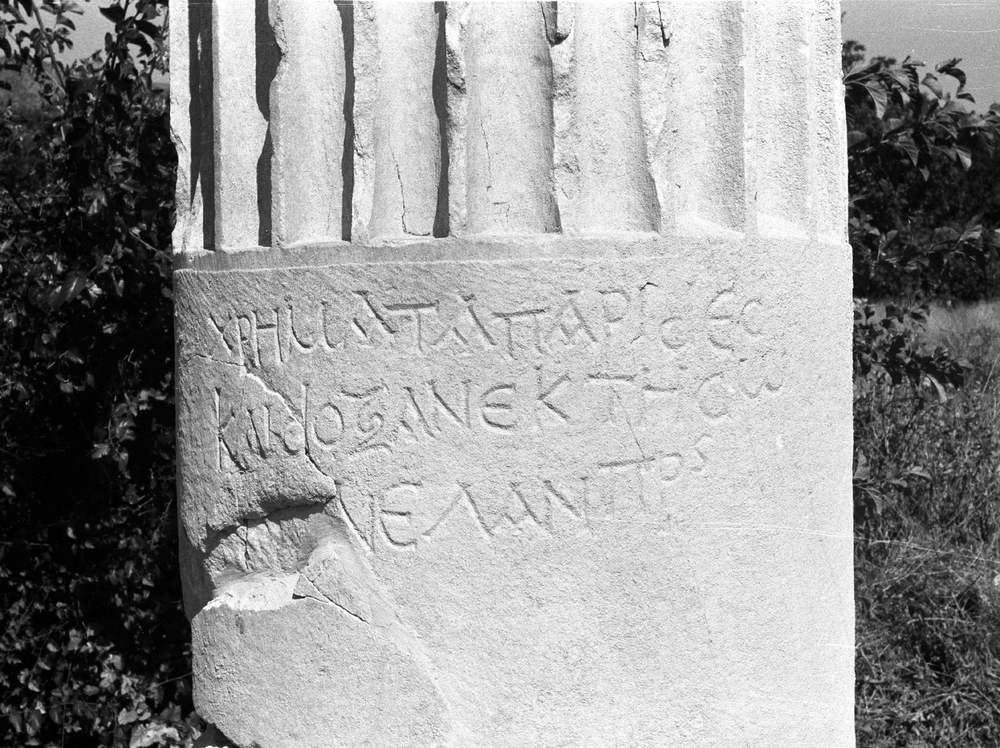
Fig. 33. xvi. Detail (Mossman Roueché, 1975)
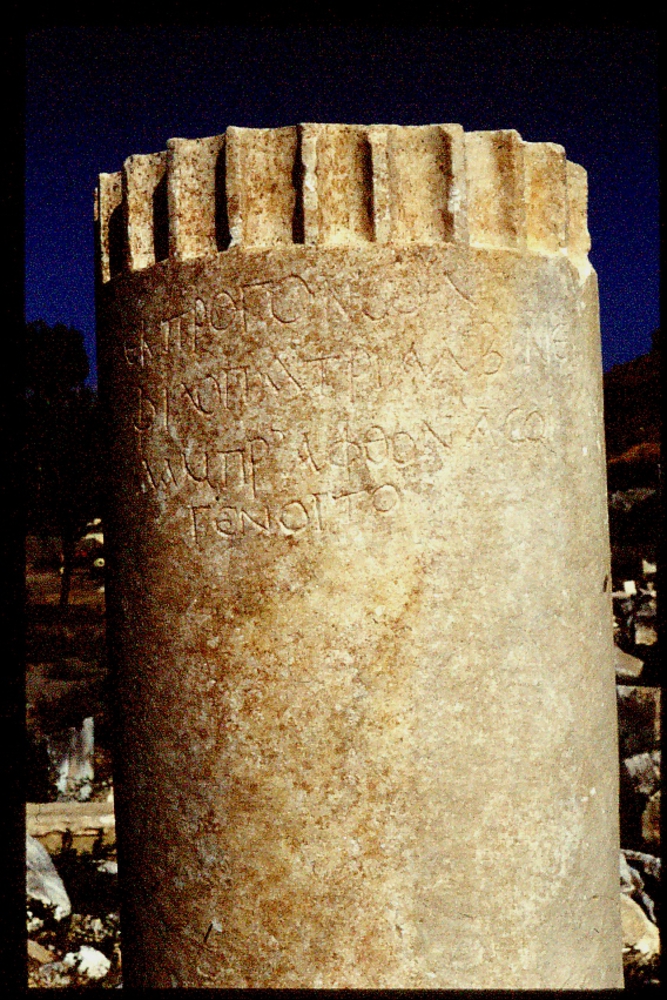
Fig. 34. xvii. re-erected (Mossman Roueché, 1992)
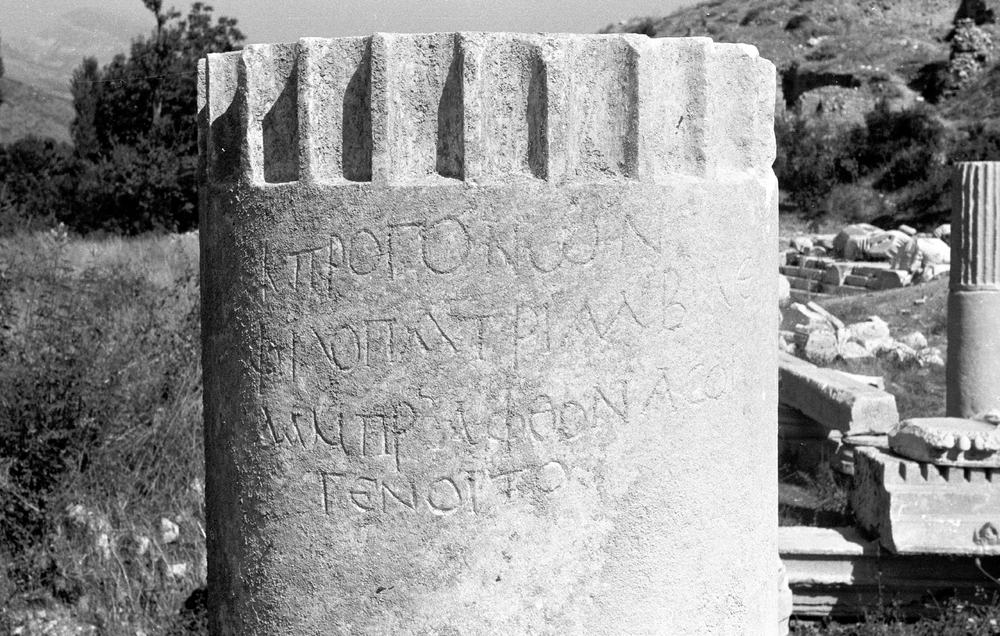
Fig. 35. xvii. Detail (Mossman Roueché, 1975)
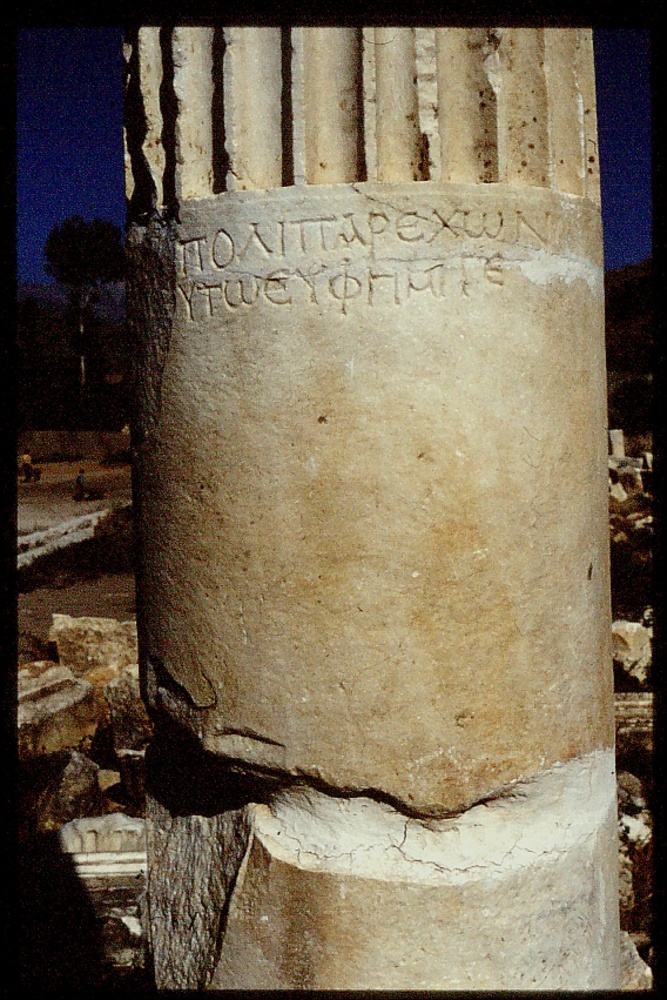
Fig. 36. xviii. re-erected (Mossman Roueché, 1992)
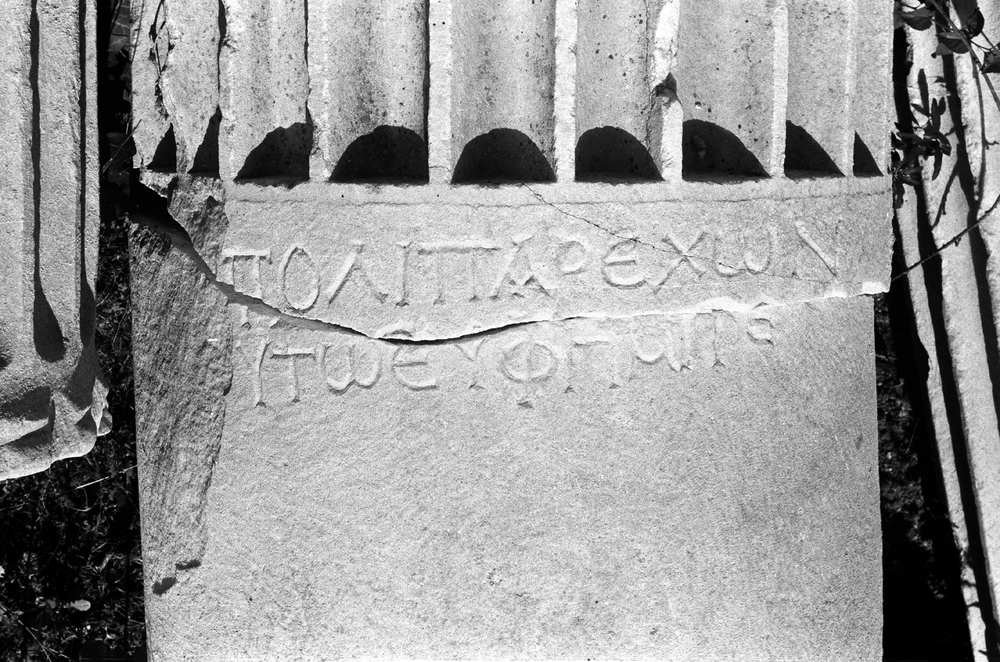
Fig. 37. xviii. Detail (Mossman Roueché, 1975)
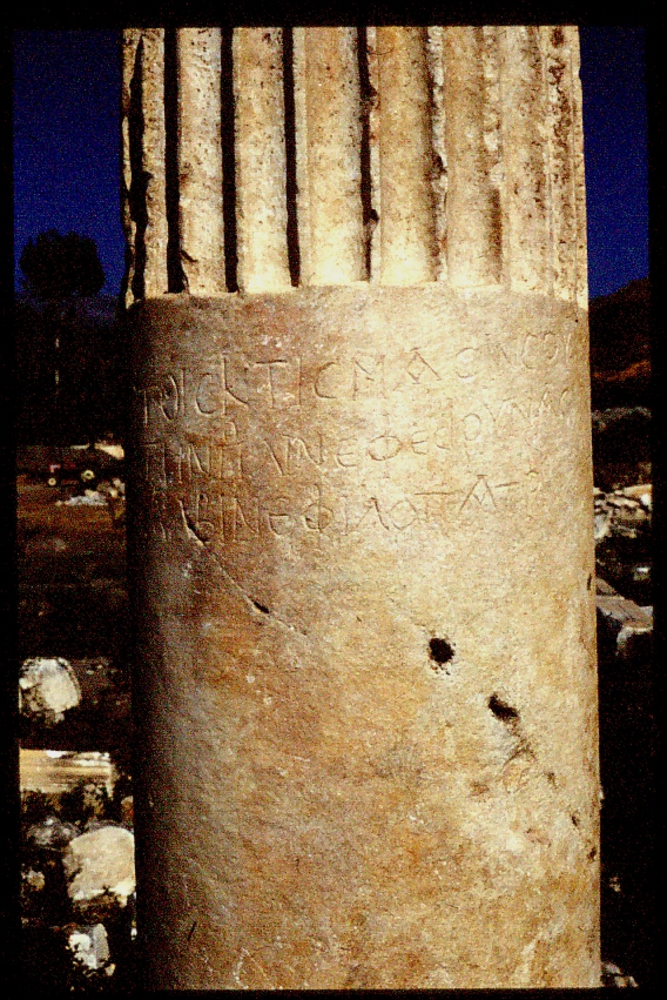
Fig. 38. xix. re-erected (Mossman Roueché, 1992)
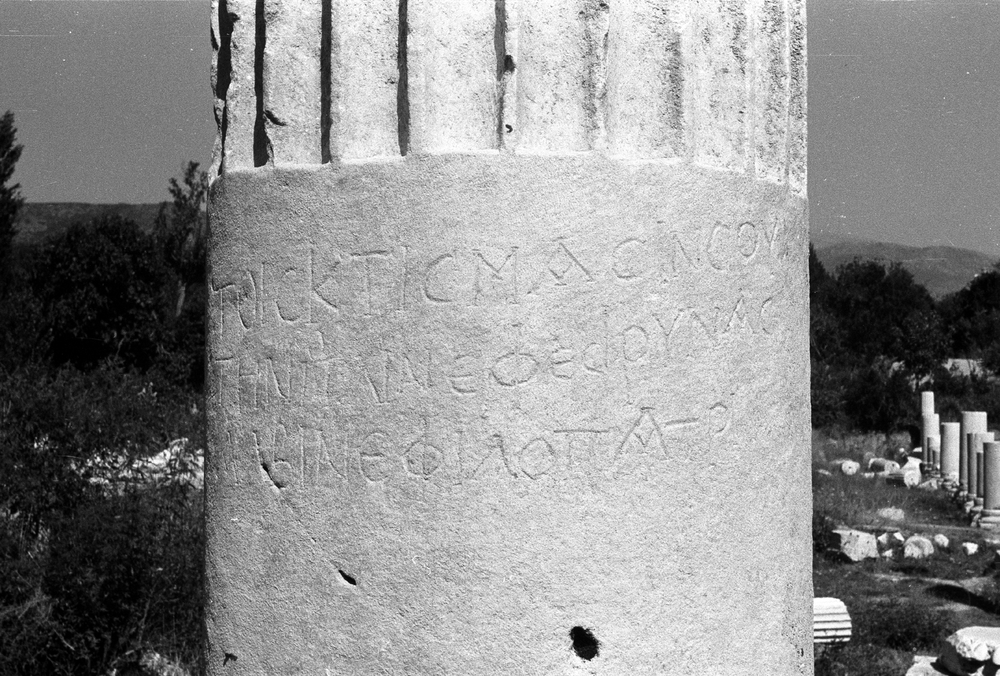
Fig. 39. xix. Detail (Mossman Roueché, 1975)
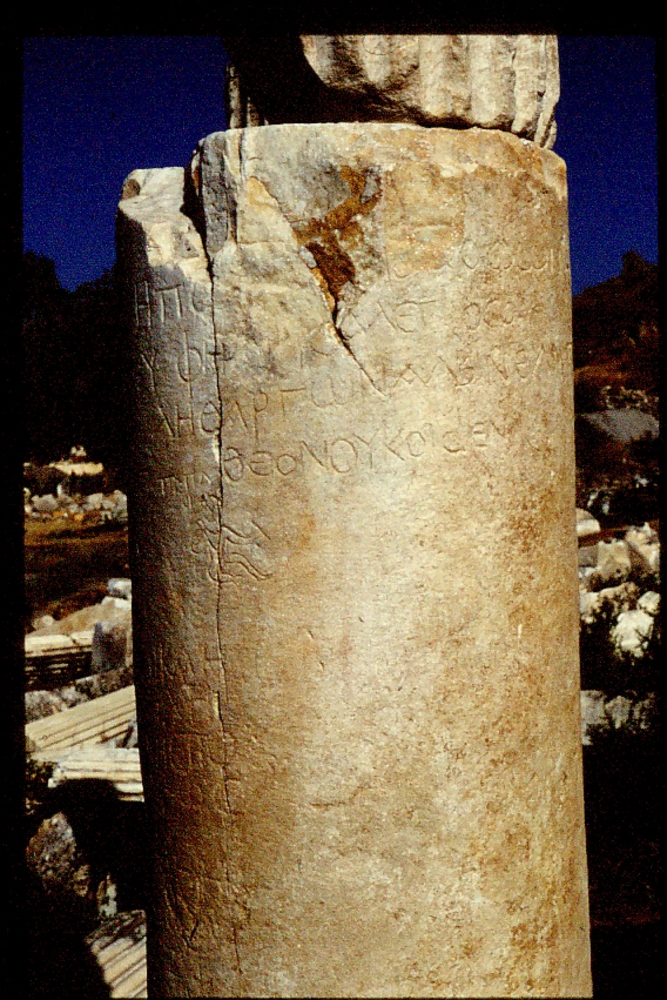
Fig. 40. xx. re-erected (Mossman Roueché, 1992)
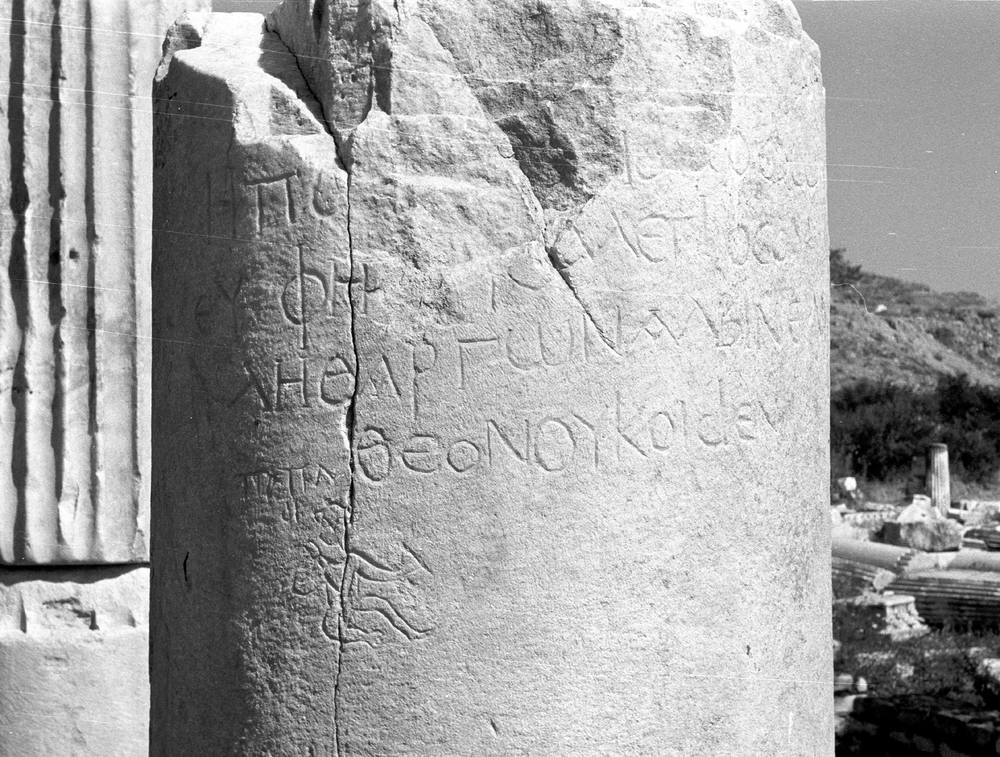
Fig. 41. xx. Detail (Mossman Roueché, 1975)
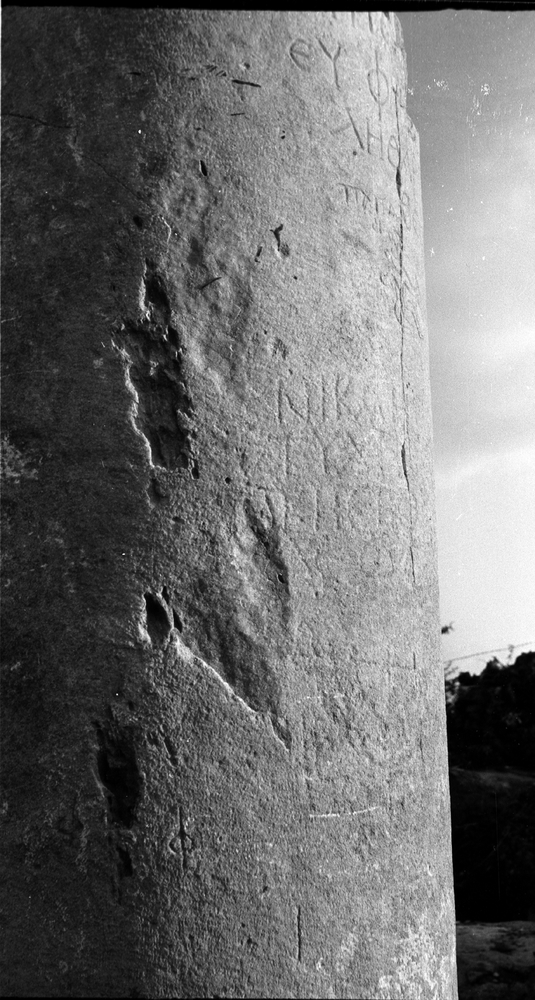
Fig. 42. 2 and 3 (Mossman Roueché, 1972)
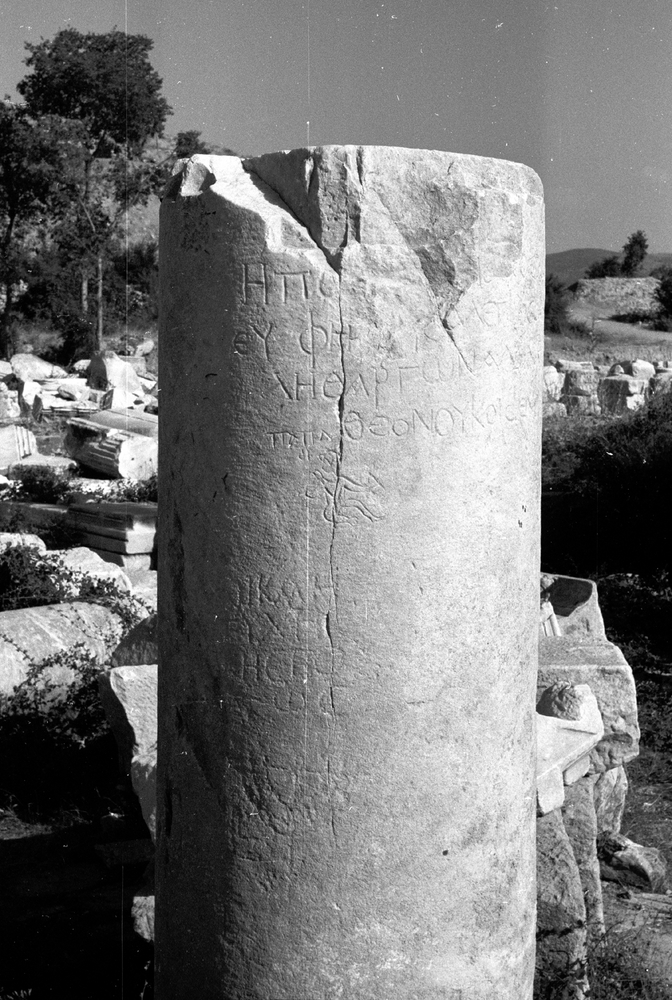
Fig. 43. 3. View (Mossman Roueché, 1973)
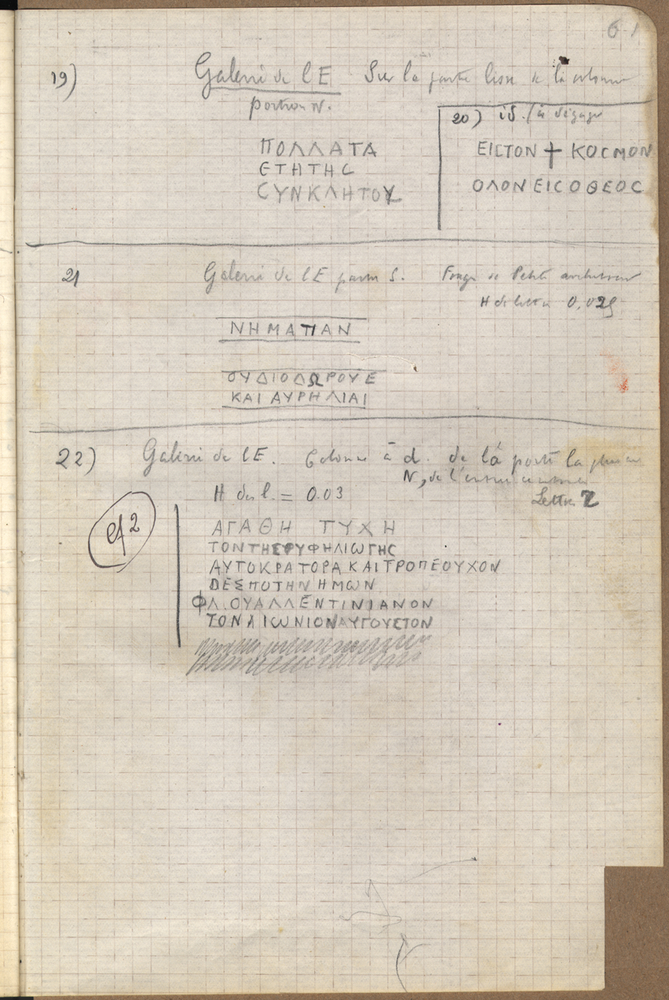
Fig. 44. i. and iv. Transcription by Boulanger, Notebook A, page 61
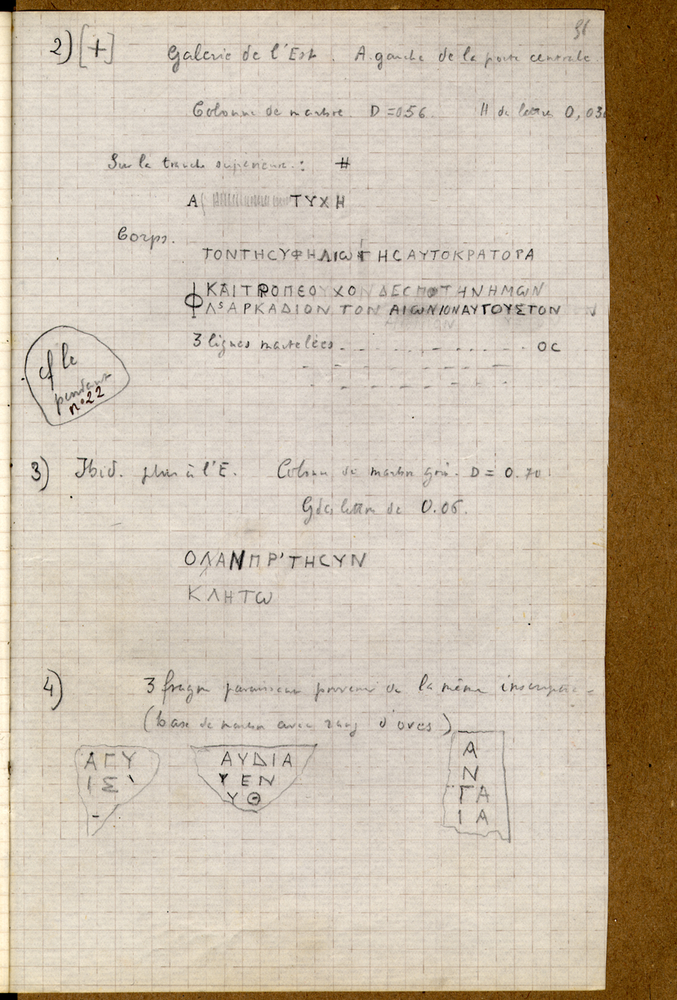
Fig. 45. xiii Lower part: Transcription by Boulanger, Notebook A, Page 51