Description: Fragments from a white marble statue base shaft without moulding.
Text: Inscribed on the face.
Letters: Standard second-third-century forms; lines 1-10, 0.03, lines 11-14, 0.025
Date: Mid third century . (prosopography)
Findspot: Aphrodisias: Walls, West stretch, near 12.924 and 12.929
Original location: Unknown
Last recorded location: Museum (1976)
Apparatus
The letters read only by Sherard and Gaudin have been highlighted
Translation
The People of the most splendid city of the Aphrodisians (honoured) the most splendid People of the Hierapolitans, who joined in the sacrifice for the giving of the grant of the sacred contest. Under the supervision of Marcus Aurelius Papias son of Papias son of Papias son of Papias son of Papias son of Papias son of Diogenes, first Archon for the second time.
Commentary
This is one of a group of dedications for neighbouring communities: see 12.924, 12.926, 12.927, 12.928, 12.929 and 12.930.
Bibliography
Recorded: Sherard, 1716 128 (complete); Reichel, 1893 R.I.8 (large fragment); Gaudin, 1904 38a (left side fragment); New York University expedition in 1975 (the large fragment, and a third fragment)
Publication: CIG II.2, 1835 2763 , whence Liermann, 1889 33 ; Reinach, 1906 194 (fragment) , on which Cormack, 1955 9; Roueché, PPA 59 , whence PHI PPAphr 59; IAph2007 12.925.
Images
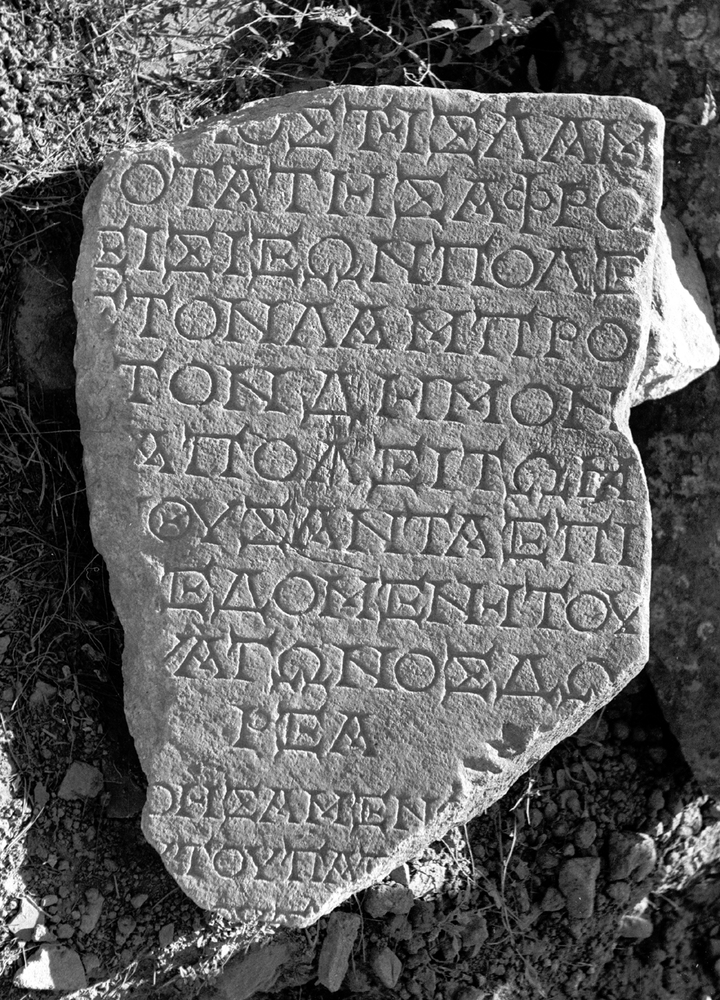
Fig. 1. Lines 1-13 (Mossman Roueché, 1976)
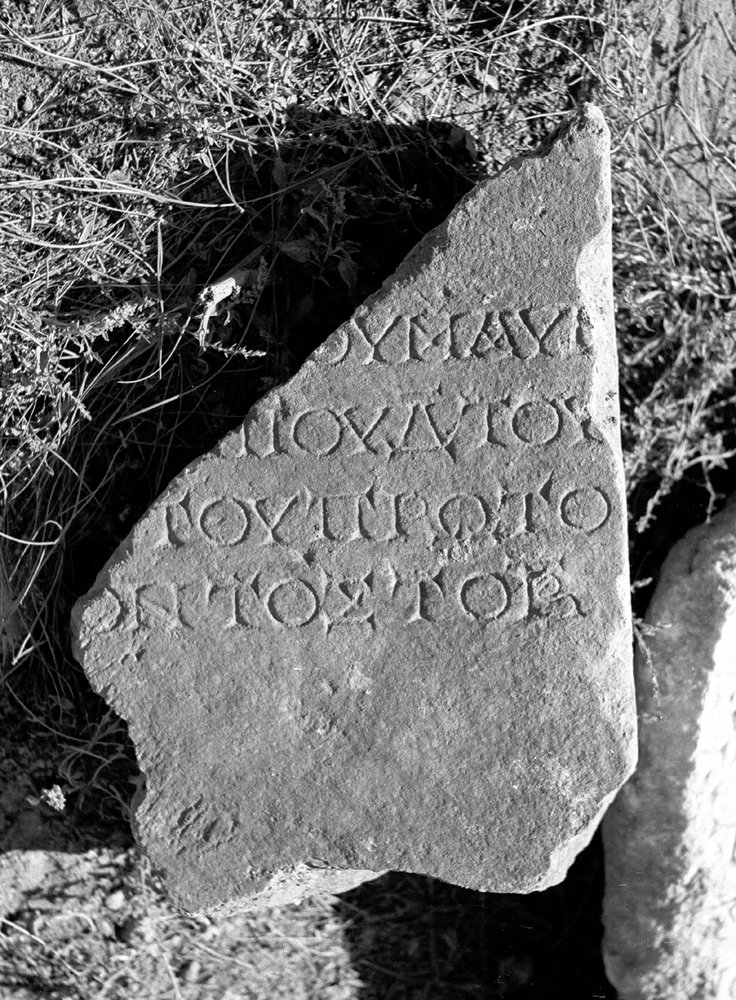
Fig. 2. Lines 11-14 (Mossman Roueché, 1976)
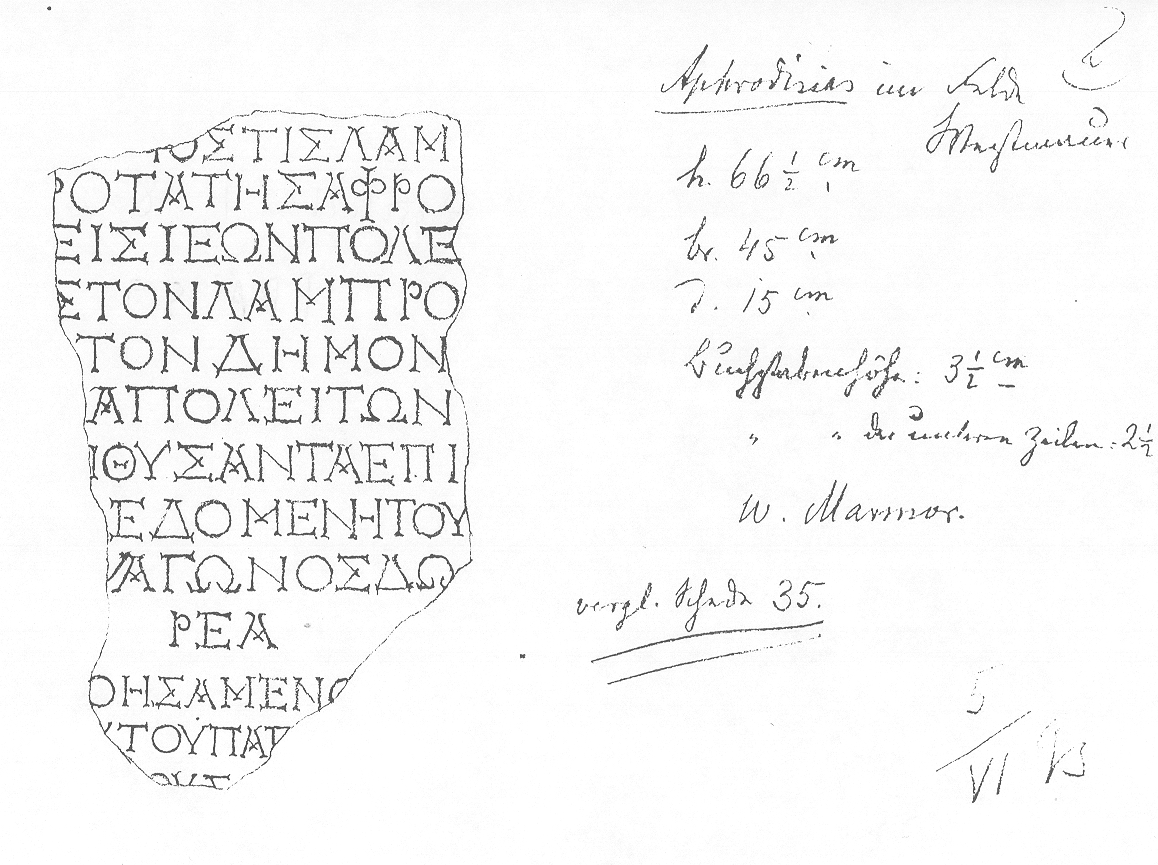
Fig. 3. Lines 1-13 (centre and right): Reichel, notebook I, 8
Fig. 4. Sherard, fair copy (Harley MS 7509), f.16v and f.17r, at British Library

Fig. 5. Lines 4-9, left end (Gaudin squeeze, 1904, to the right)