Description: Two joining fragments of a single white marble block (w: 1.33 × h: 0.33 × d: 0.85).
Text: Inscribed on the upper fascia (lines 1-2) and along the bottom of the lower, recessed, fascia (line 3).
Letters: Second to third centuries C.E.; 0.03
Date: Second to third centuries CE (lettering)
Findspot: Aphrodisias: Walls, West stretch, near 12.903
Original location: Unknown
Last recorded location: Findspot
Apparatus
1: The MAMA expedition is said to have seen a third fragment, now lost, carrying the letters ΠΟΛΙ; ΠΟΛ can still be deduced from
the bases of the letters which survive on fragment 2, and a large part of Ι is visible.
2: ΤΗΝ or ΤΗΜ, ΠΡΟΣΛ . . Υ[ MAMA 8; ἀπὸ τῆ]ς κτλ. τὴν προσω̣[ν]υ[μίαν ἔχουσαν Robert, Hellenica XIII in fact Ω is certain, followed by three uprights, and there are traces of Μ at the end.
3: - - πα, συ[νκλ]ήτου Λ - MAMA 8; τὰ δεδομένα φιλάνθρω]πα, συν[κλή]του δ[ογμάτων Robert, Hellenica XIII ; the stone has deteriorated since 1934, but the surviving traces suggest the text as above, for there seems to be no room
for two letters between Δ̣ and Μ̣.
English translation
Translation source: Reynolds, 1982
[---] to [? ] but to me it seems unjust that your city [ . .? . . ]. deriving its name from the goddess who leads it [ . . ? . . ] the privileges given by emperors and the Senate of the Roman [people . . . ]
Bibliography
Recorded: Calder, 1934; New York University expeditionin 1975
Publication: MAMA 8 419 , whence Robert, Hellenica XIII 125-126, Robert, Bulletin Épigraphique 1966.390 ; Reynolds, 1982 49 , whence SEG 32.1097 ; Robert, Bulletin Épigraphique 1983.391 , McCabe, PHI, 1996 67 ; IAph2007 12.911.
Images
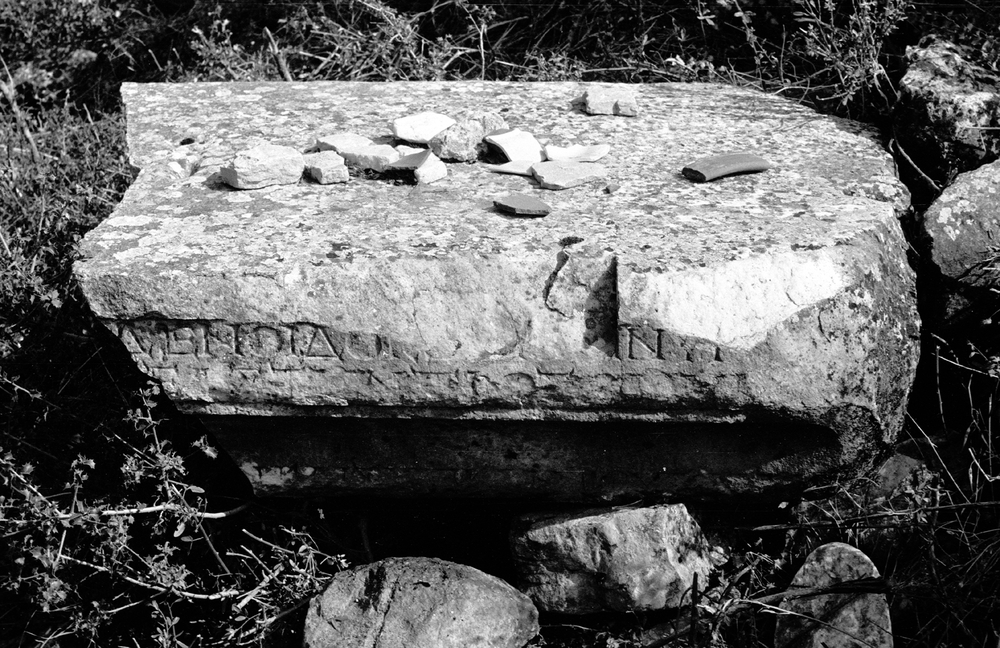
Fig. 1. Right end (Mossman Roueché, 1975)