Description: White marble statue base without moulding (w: 0.575 × h: 1.325 × d: 0.51) which is damaged at the upper left corner and along the top edge.
Text: Inscribed on one face. The text will have begun on an upper feature.
Letters: 0.03-0.04
Date: Second to third centuries CE (lettering, prosopography)
Findspot: Aphrodisias: Walls, South-east stretch: fallen from the south wall, south-west of the East Gate, a little west of 12.525
Original location: Unknown
Last recorded location: Findspot (1973)
Apparatus
The stone may have deteriorated since it was first copied, especially in lines 1-5; see commentary.
1: ΤΙΒΕΡΙΟΝ Wood, 1750, Fellows, 1840, Bailie, 1842, MAMA 8; ΛΟΥΚΙΟΝ Deering, 1812, Le Bas and Waddington, 1870, Reinach, 1906 Waddington, and later copyists, could only read ION, and Reichel did not read the line at all; but it is possible that damage
was done to line 1 much earlier.
2: ΛΟΥΚΙΟΥ Deering, 1812, Wood, 1750; Λ[Ο]ΥΚΙΟΥ Fellows, 1840, Waddington, 1850; ΚΙΟΥ Reichel, 1893; Λ[ΟΥ]ΚΙΟΥ Calder, 1934, New York University expedition
3: ΚΛΑΥΔΙΟΥ was read in full by Calder and earlier copyists Κ̣ΛΑΥΔΙΟΥ New York University expedition
4-5: ΑΣΙ | ΑΣ Wood, 1750; ΑΣ | [..]Σ Deering, 1812, Fellows, 1840; ΑΣΙ | [..]Σ Waddington, 1850; ΑΣ | ΙΑΣ Calder, 1934
English translation
Translation source: IAph2007
[Public bodies honoured?] Tiberius(?) Claudius Attalos, son of Lucius Antonius Claudius Dometinos Diogenes, highpriest of Asia and lawgiver; senatorial and benefactor of his homeland.
English translation
Translation source: Bailie, 1843
The Senator, Tiberius Claudius Attalus, son of Lucius Antonius Claudius Domitius Diogenes, High Priest of Asia, and Nomothetes: The benefactor of his native city.
English translation
Translation source: Fellows, 1841
Tiberius Claudius Attalus, son of Lucius Antonius Claudius Dometinus [?] Diogenes, the High-priest of Asia and Nomothetes, a Senator, the benefactor of his native city.
Commentary
In our judgement, the first word of line one was probably ΤΙΒΕΡΙΟΝ, as reported by Wood, Fellows, Bailie (who did see this stone, although he made several mistakes in transcription), and (by implication) Loew (since Franz did not note that his reading differed from that of Fellows) and accepted by Cormack. ΛΟΥΚΙΟΝ figures in the copy made by the normally reliable Deering, and was accepted by Waddington and Reinach as being the lectio difficilior. Both could be fitted into the space available, since although ΤΙΒΕΡΙΟΝ is longer, it contains narrow letters. If we accept that when first seen the letters were already in poor condition (as is likely) both readings would be explicable mistakes: ΛΟΥΚΙΟΝ would be a reading influenced by the first word of line 2, ΤΙΒΕΡΙΟΝ by the nomen Claudius which follows. The existence of an Aphrodisian senator named Tiberius Claudius Attalos at approximately the right date (2.16) may seem to tip the balance, but is not absolutely conclusive.
Bibliography
Recorded: Wood, 1750 14, 55, 14 loose page 46; Deering, 1812 5v, no. 23; Fellows, 1840; Loew, 1841; Bailie, 1842; Waddington, 1850; Reichel, 1893 R.I.17v; Gaudin, 1904 117; Calder, 1934; New York University expedition
Publication: Fellows, 1841 37 , whence CIG II.3, 1843 2781b (p. 1111); Leake, 1843 9 ; Bailie, 1843 p.43-44 , Bailie, 1846 59 ;Franz, 1847 a.3 (mention) ; by Le Bas and Waddington, 1870 1596 ; Reinach, 1906 44 (mention) ; MAMA 8 502 whence McCabe, PHI, 1996 293 , Smith, 2006 H.77 (listed); IAph2007 12.520.
Images
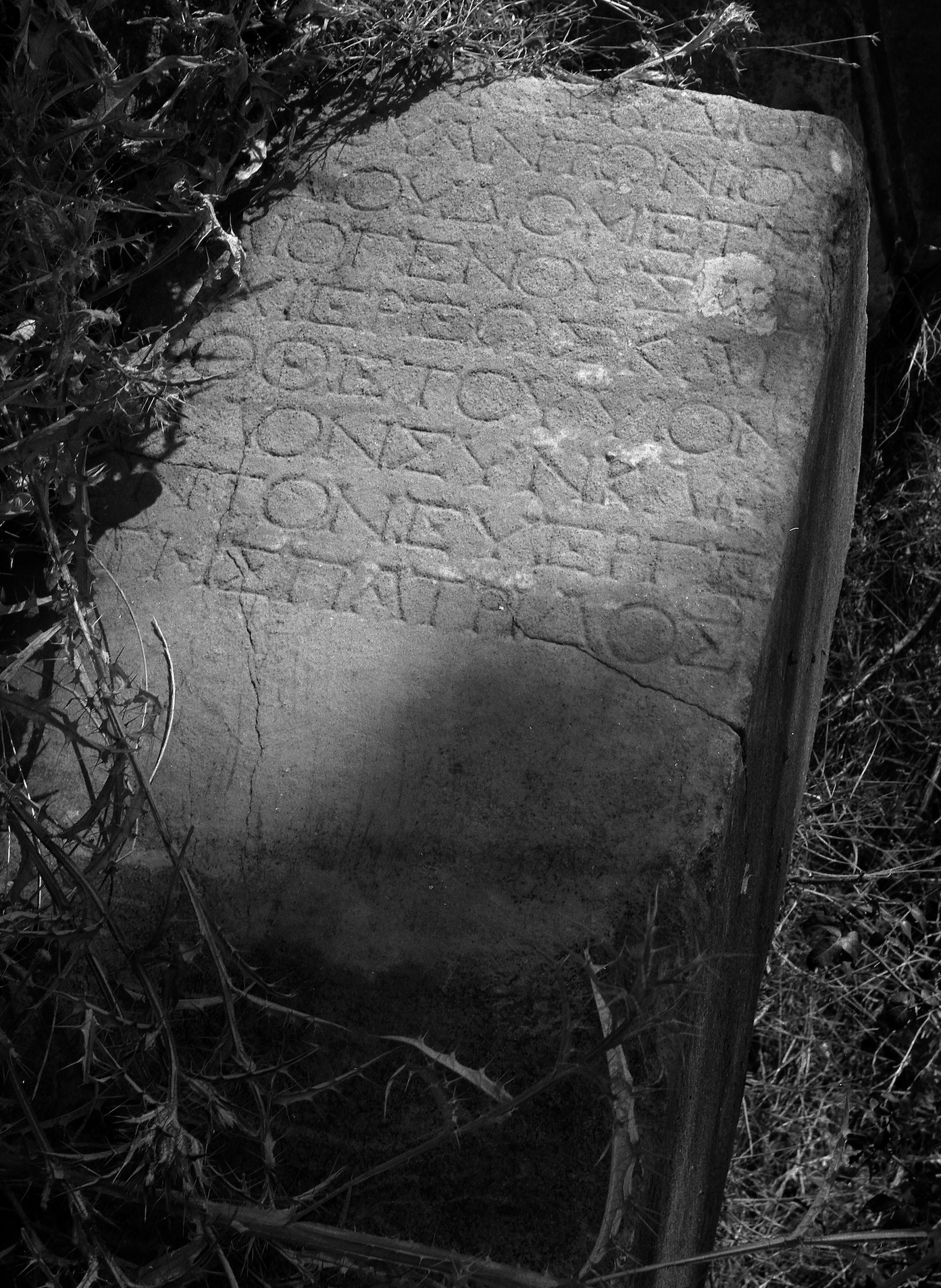
Fig. 1. Face (Reynolds, 1968)
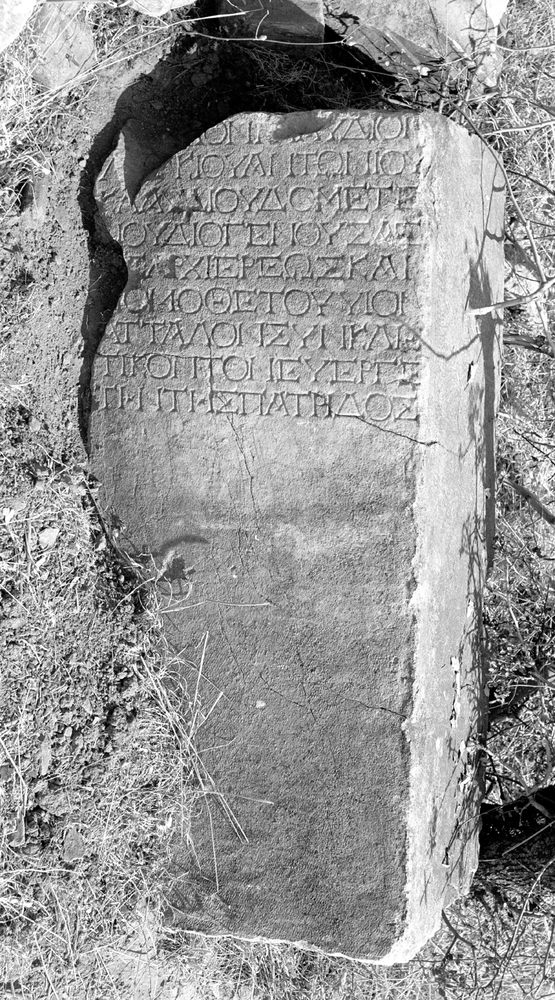
Fig. 2. Face (Mossman Roueché, 1973)
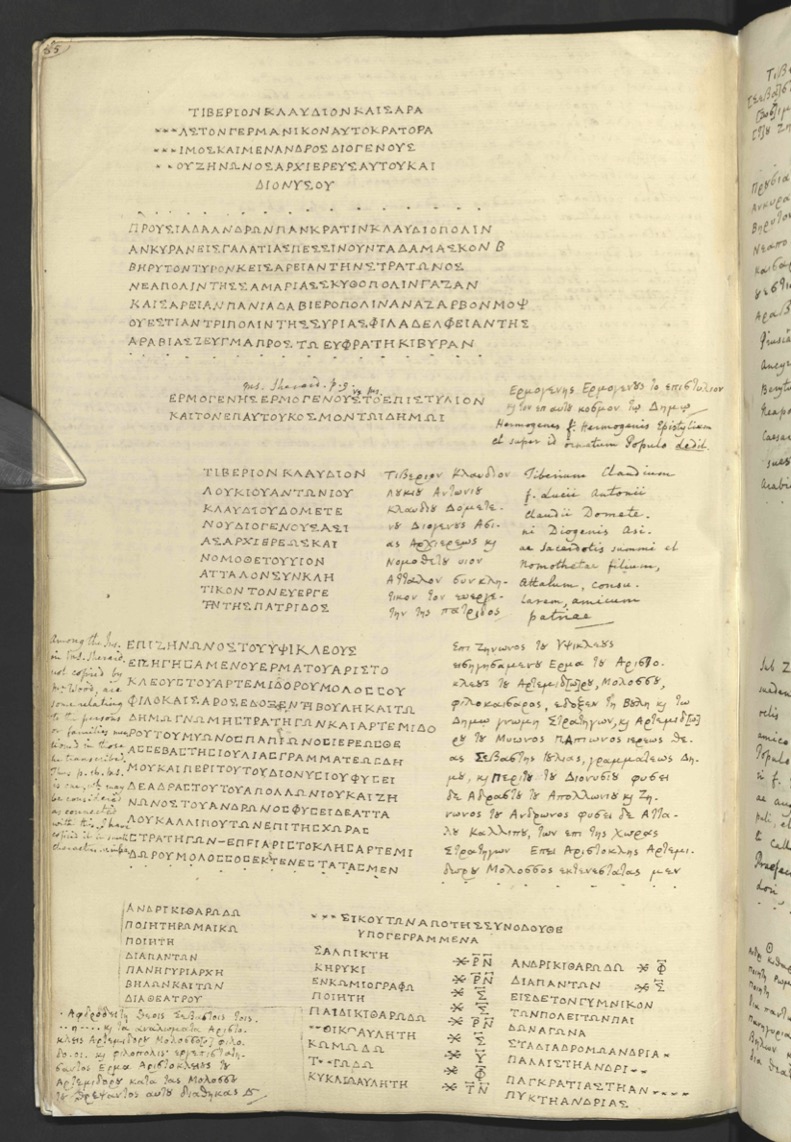
Fig. 3. Wood notebook 14, page 55
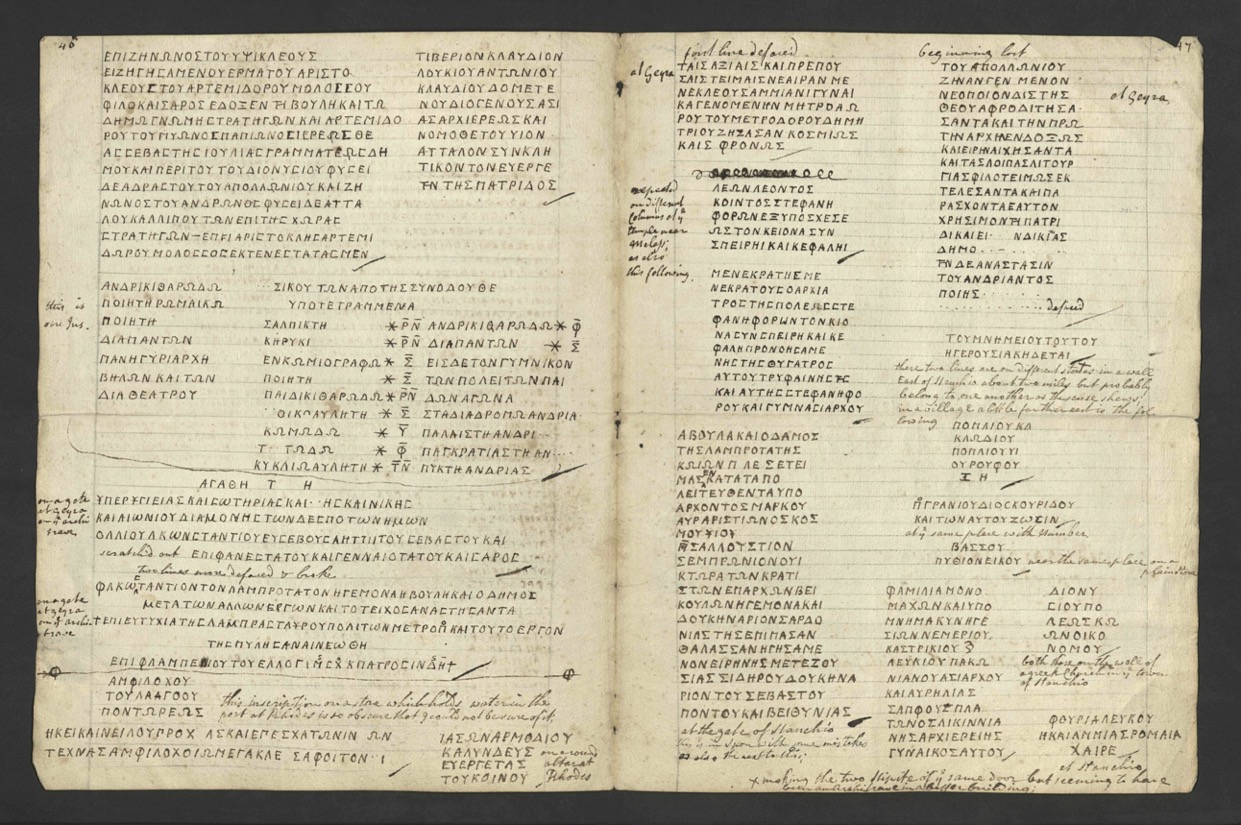
Fig. 4. Wood notebook 14, loose page 46
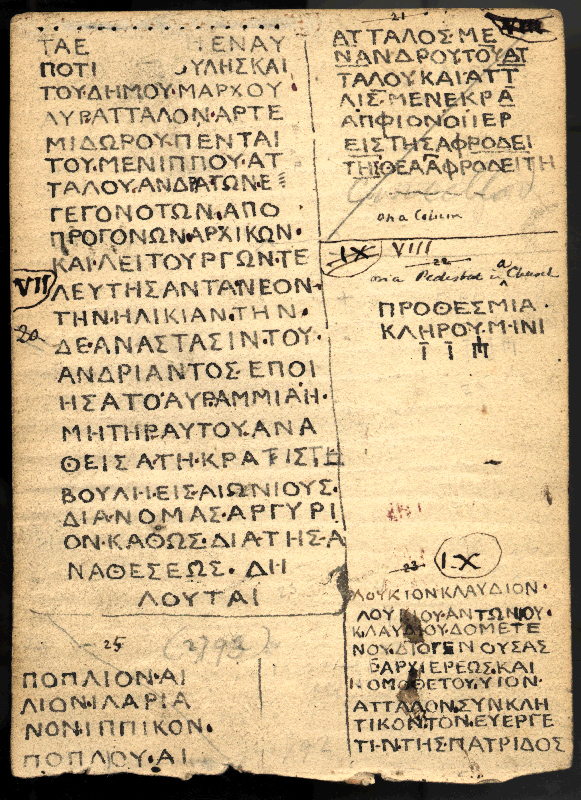
Fig. 5. Deering notebook 5v
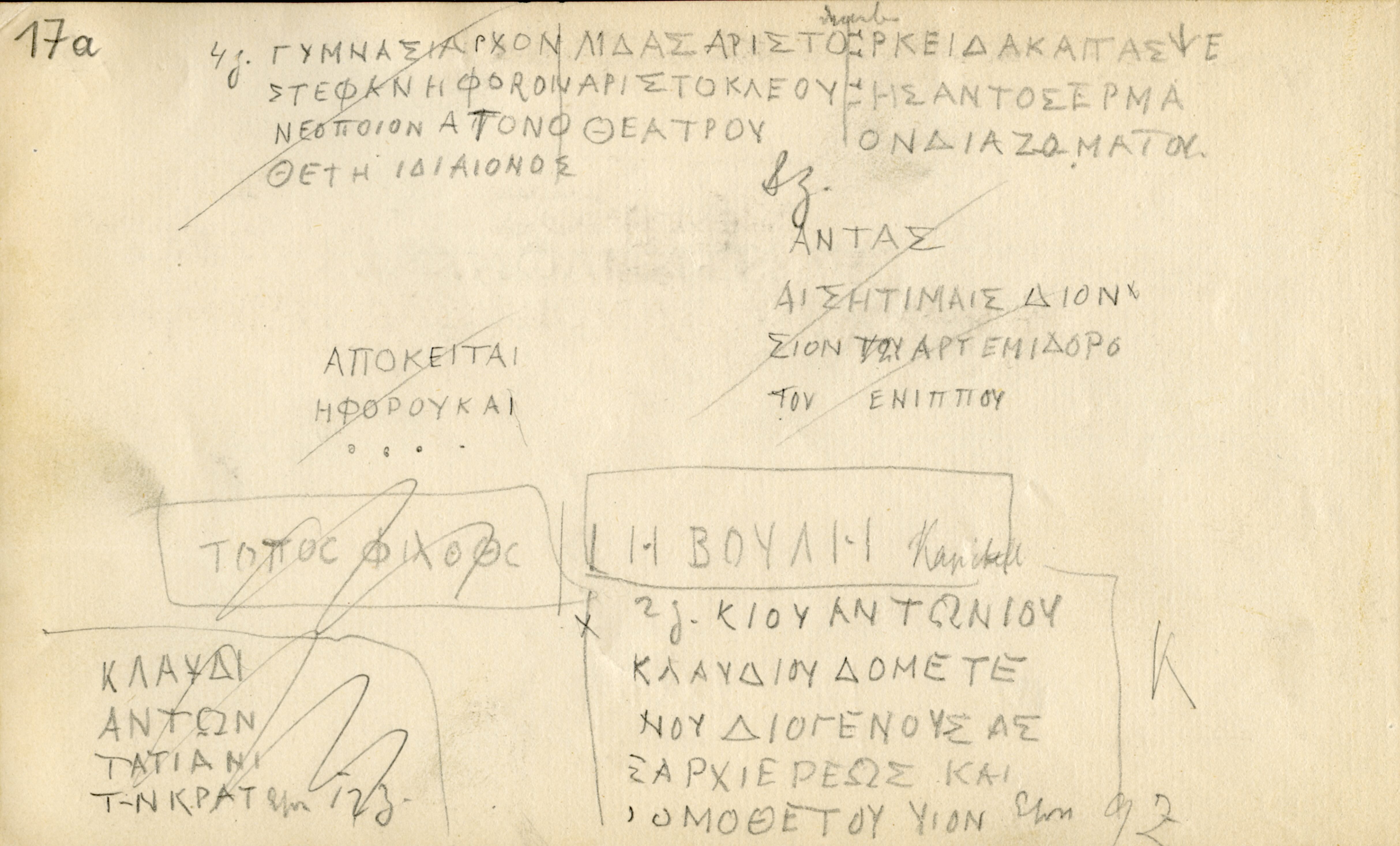
Fig. 6. Reichel notebook 1, 17v