Description: Thirteen fragments or complete blocks making up ten blocks of a white marble combined architrave and frieze (normal blocks w: 1.95 × h: 0.58 × d: 0.50; block over central door 2.66 wide. Two blocks re-used with inscriptions and moulding on the rear.
Text: i: Inscribed in one line on the frieze. ii: Painted in red, on a white background. iii: Inscribed on the face below the moulding.
Letters: i. 0.11. ii. Elegant, line 1, 0.05; line 2, 0.03; despite the difference in size, both lines seem to be in the same hand. iii. 0.01-0.02.
Date: i. 28 BCE; ii. and iii. First – sixth century CE (prosopography, context)
Findspot: Aphrodisias: In the area of the Theatre stage
Original location: Theatre, stage buildings, entablature, redeployed in a similar position in the second century
Last recorded location: Restored on the Theatre stage
English translation
Translation source: IAph2007
(i): Caius Julius Zoilos, freedman of the divine Iulius' son Caesar, after being stephanephorus for the tenth time in succession (scil. gave) the stage and the proscenium with all the applied ornaments on it to Aphrodite and the People.
German translation
Translation source: Orth, 1984
(i): C. Iulius Zoilos, Freigelassener des Caesar, des Sohnes des vergöttlichten Iulius, zum zehnten Mal hintereinander Stephanephore,(scil. hat geweiht) der Aphrodite und dem Volk das Logeion und das Proskenion mit allen zugehörigen Verzierungen.
English translation
Translation source: Roueché, PPA
(ii): [...] Ourania [...] Help [your] servant Nicephorus.
(iii):. The fortune of the city triumphs !
Bibliography
Recorded: New York University expedition Block 8 71.164b; Block 10 71.172)
Publication: i: Robert, Bulletin Épigraphique 1971.609 (mention) ; Reynolds, 1982 36.a , whence SEG 32.1097 , Robert, Bulletin Épigraphique 1983.388 , AE 1984.878 , Orth, 1984 3 , McCabe, PHI, 1996 92 , Smith, 1993, T.2. ii: Roueché, PPA 2 , whence PHI PPAphr 2; iii: Roueché, PPA 3 , whence PHI PPAphr 3; i, ii and iii: IAph2007 8.1.
Images
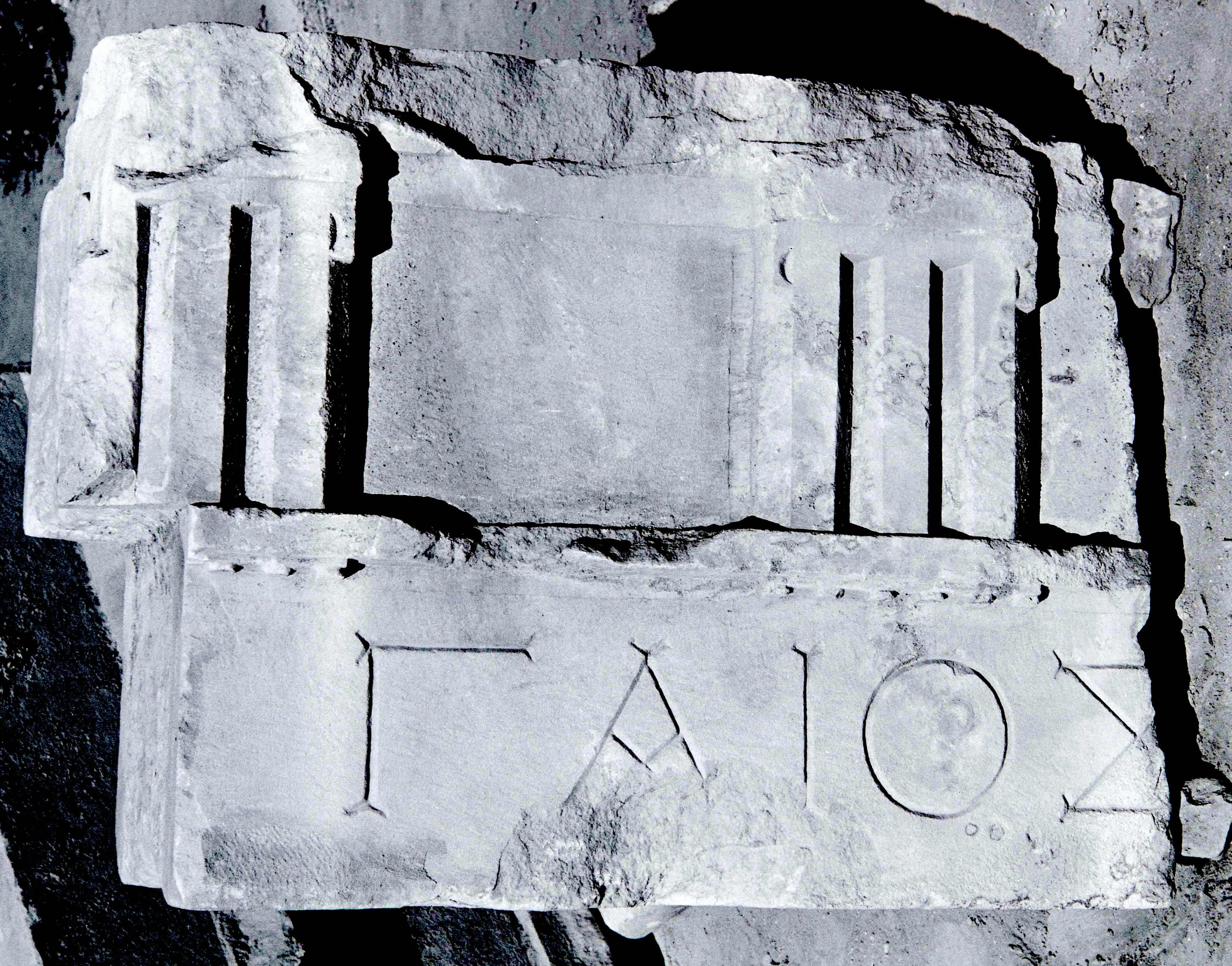
Fig. 1. i: a, left end (Mehmet Ali Döğenci, 1971)
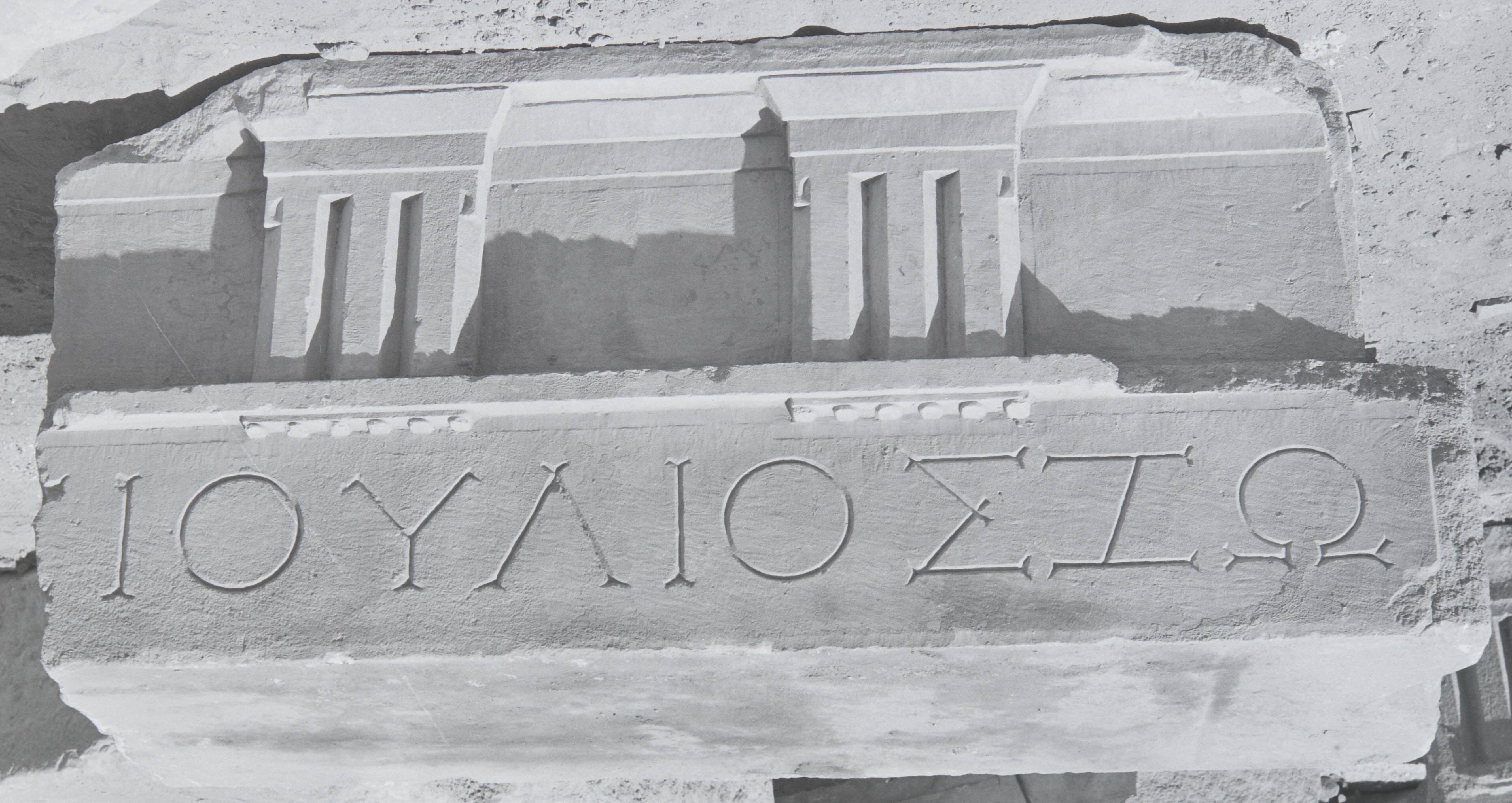
Fig. 2. i: a, centre (Mehmet Ali Döğenci, 1971)
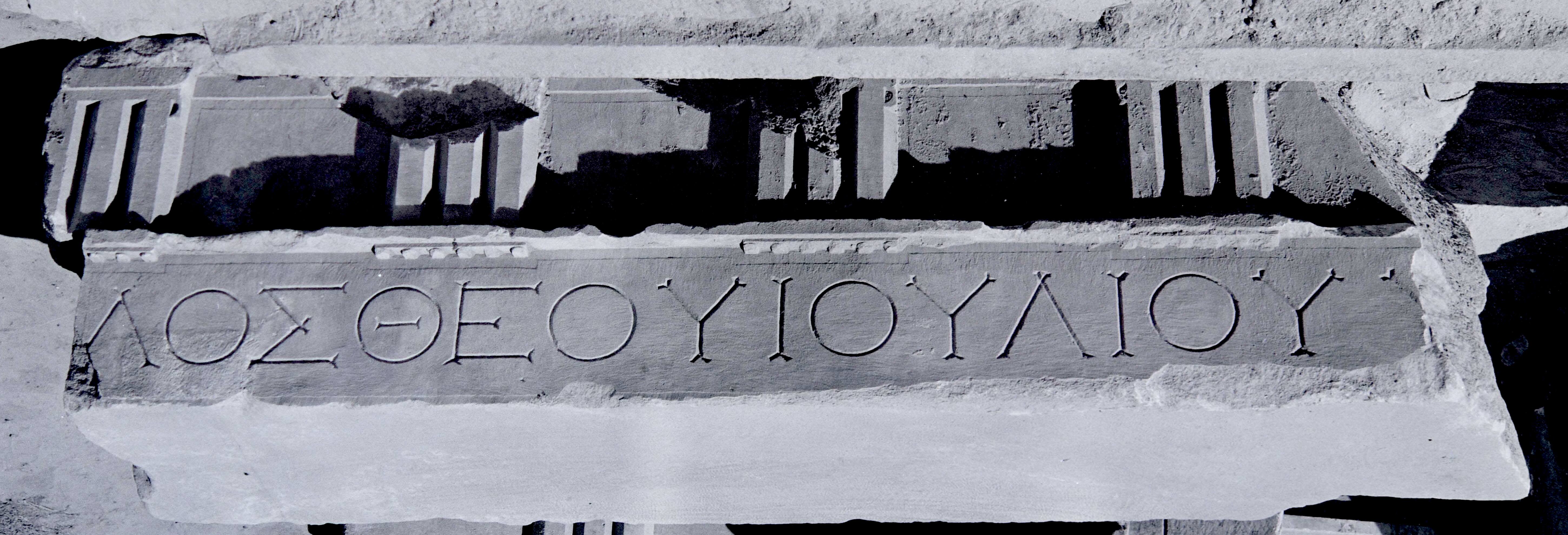
Fig. 3. i: b (Mehmet Ali Döğenci, 1971)
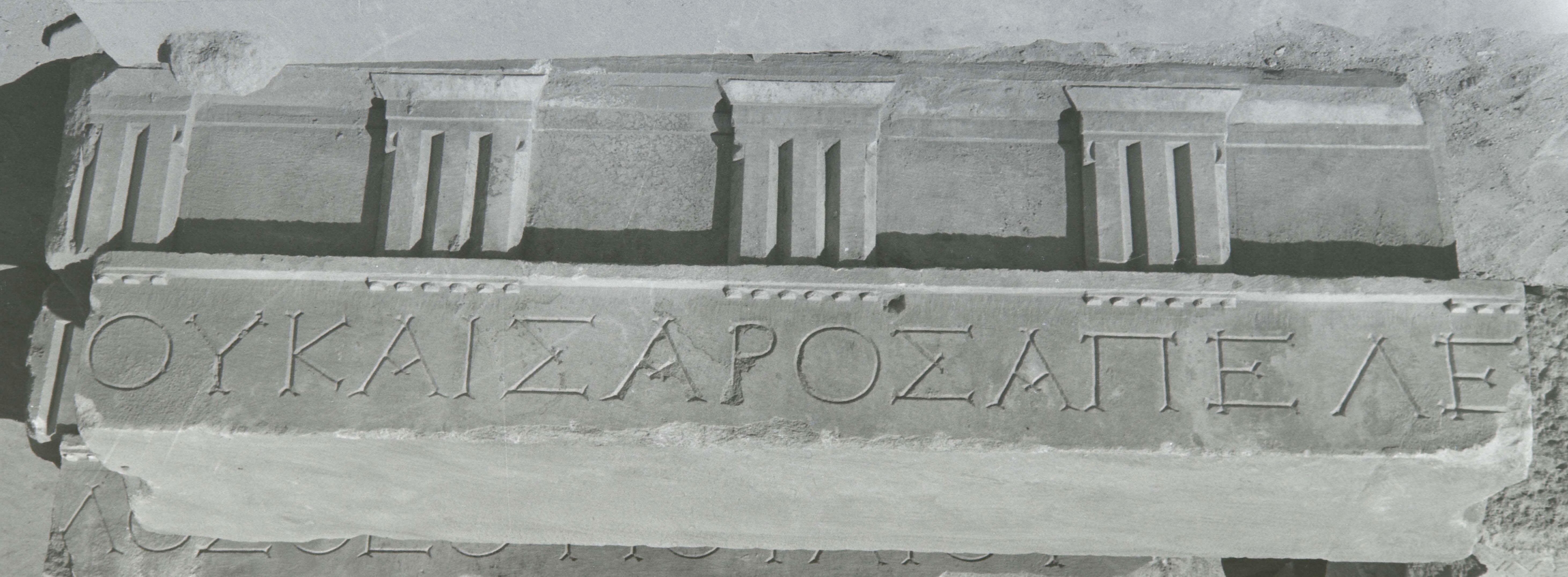
Fig. 4. i: c (Mehmet Ali Döğenci, 1971)
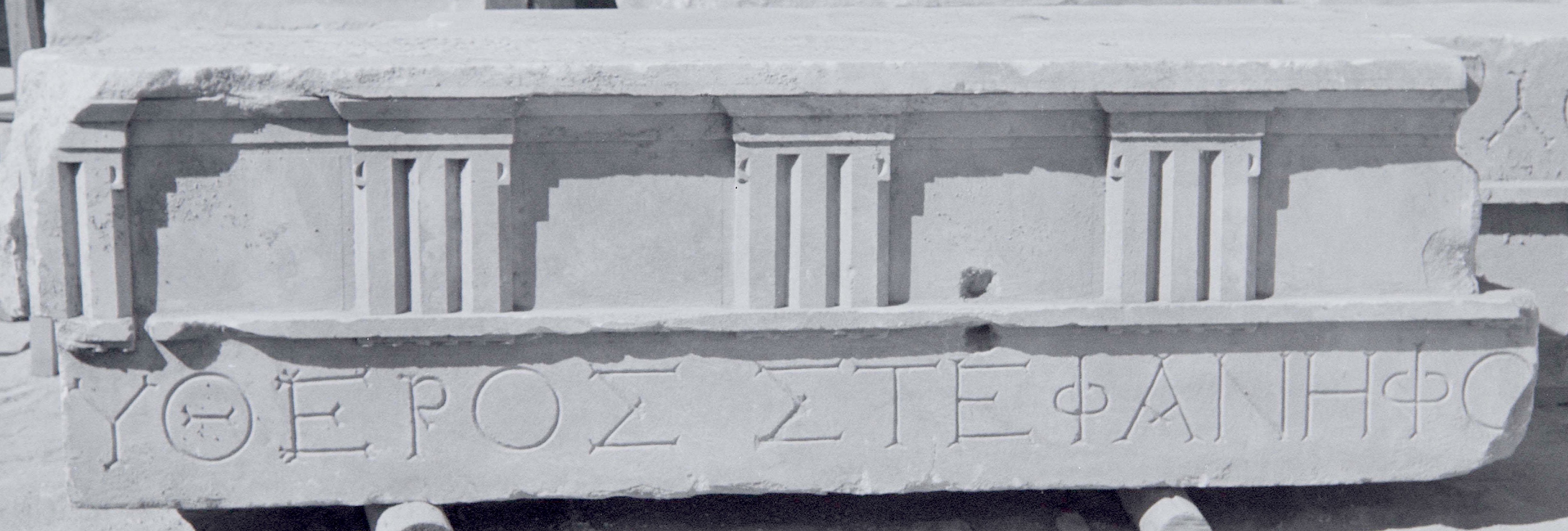
Fig. 5. i: d (Mehmet Ali Döğenci, 1971)
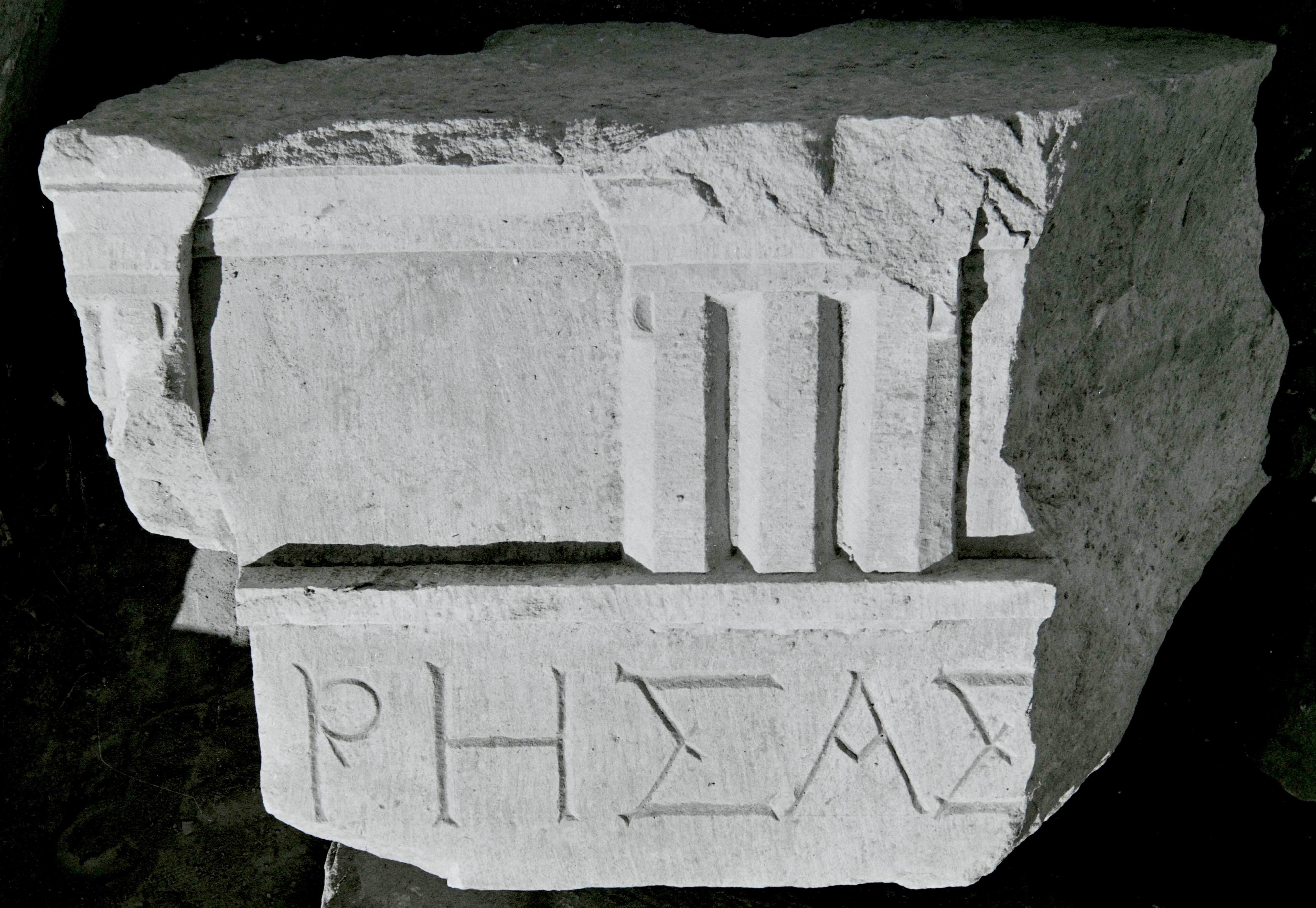
Fig. 6. i: e, left end (Mehmet Ali Döğenci, 1971)
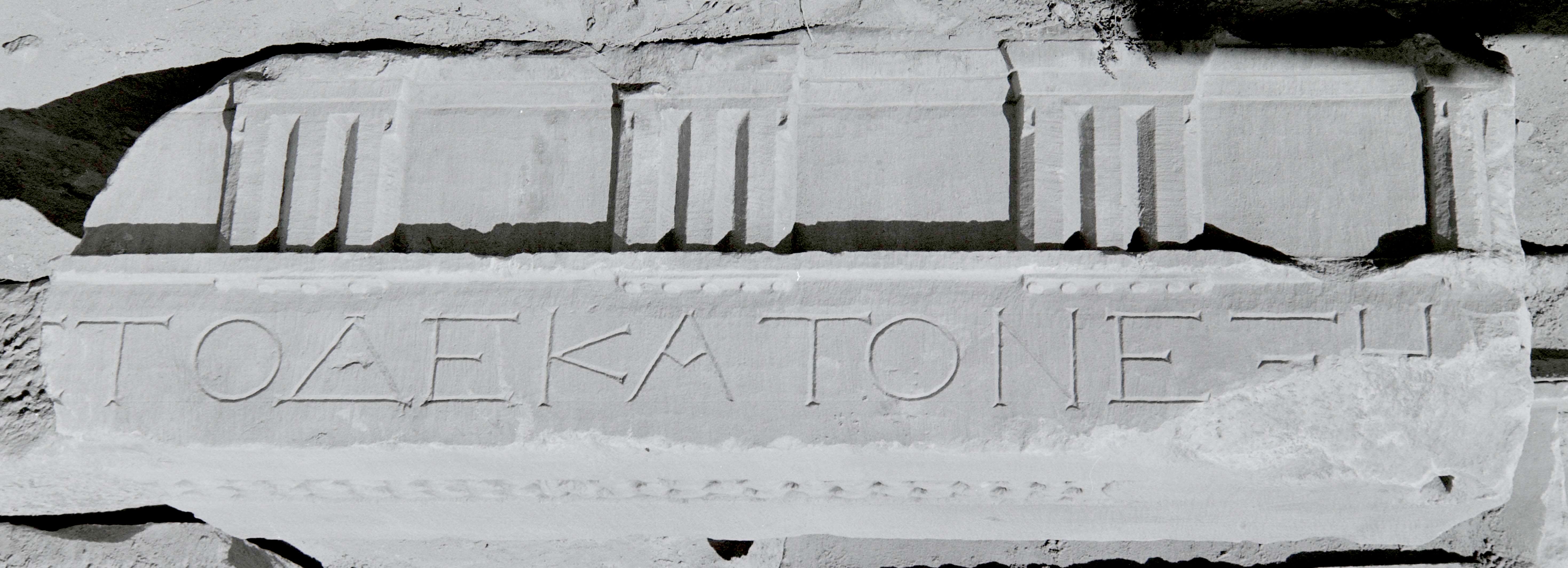
Fig. 7. i: e, right end (Mehmet Ali Döğenci, 1971)
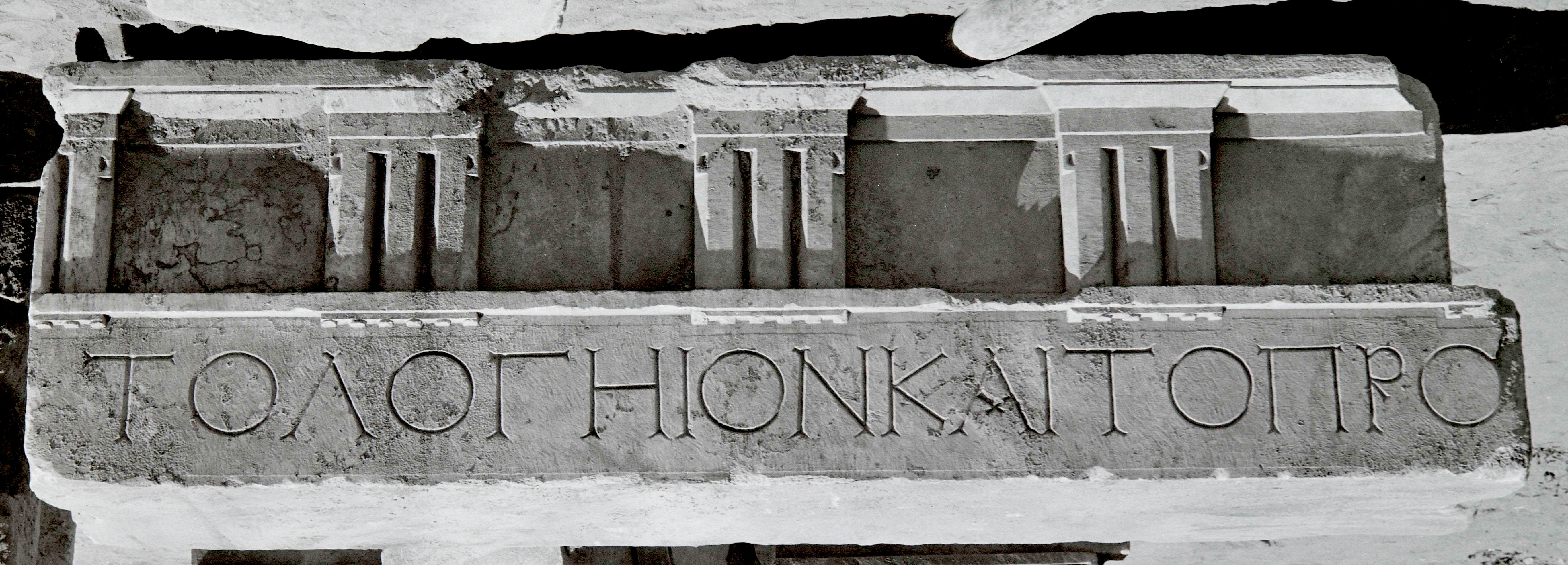
Fig. 8. i: f (Mehmet Ali Döğenci, 1971)
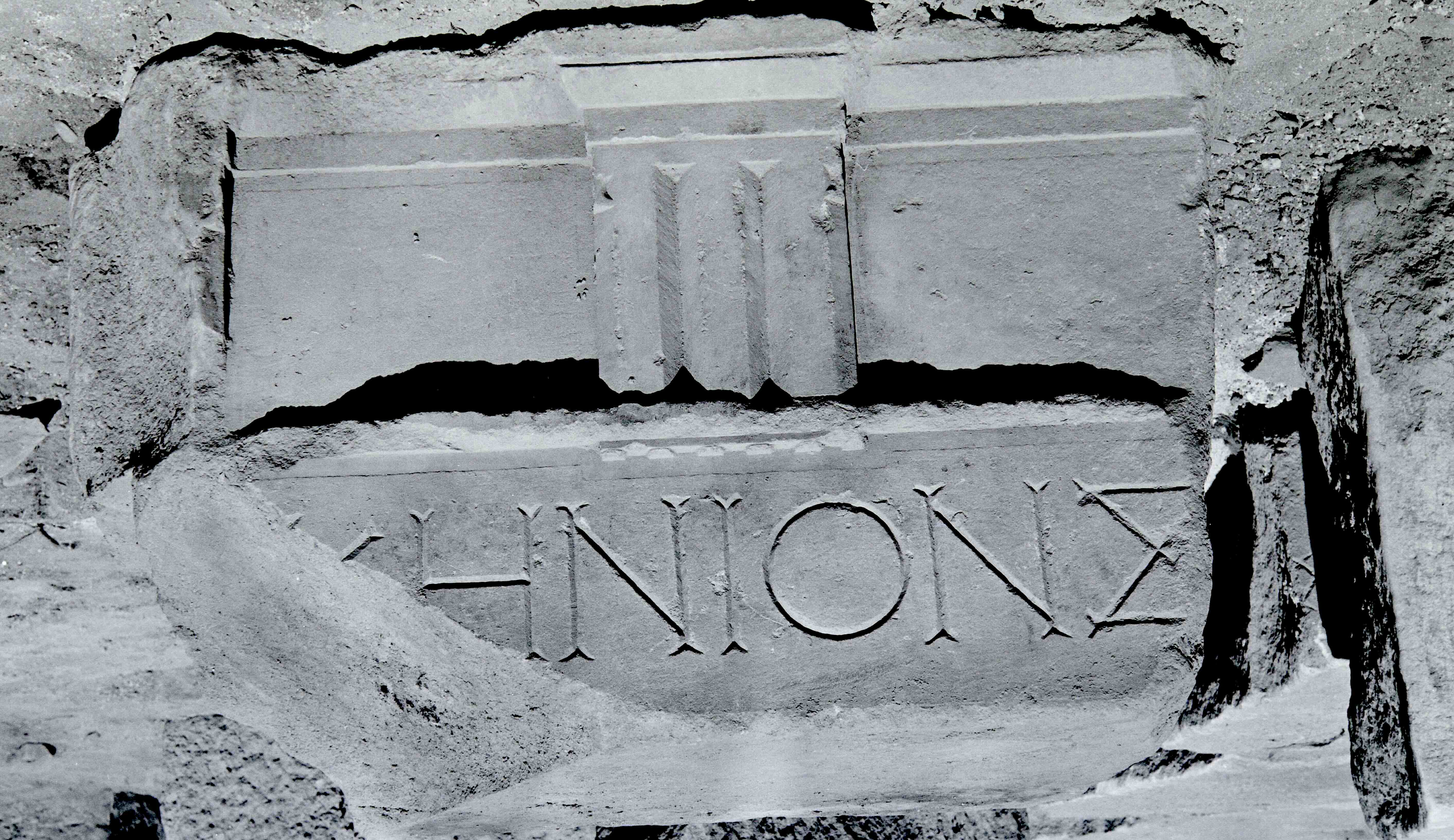
Fig. 9. i: g, left end (Mehmet Ali Döğenci, 1971)
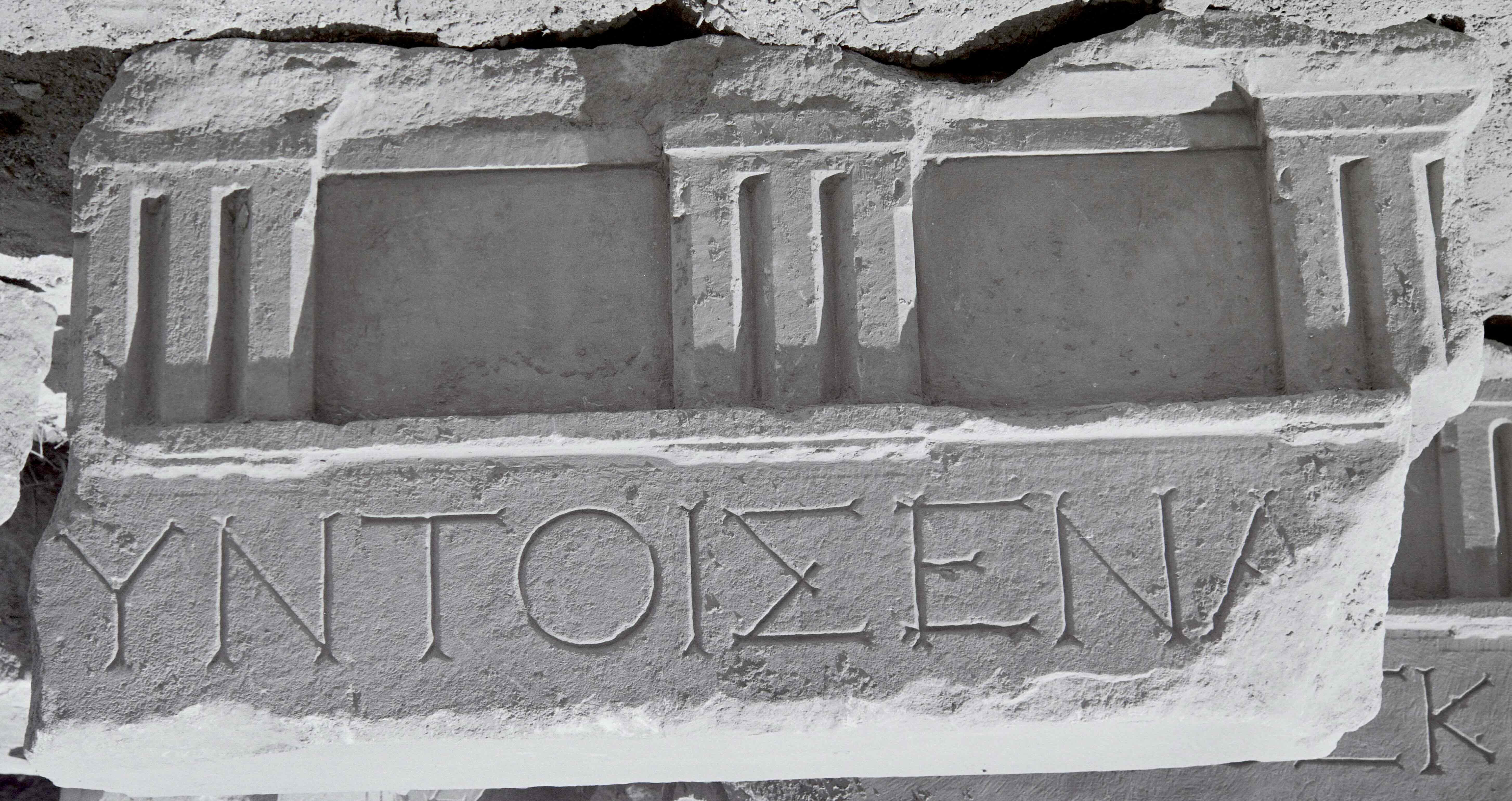
Fig. 10. i: g, right end (Mehmet Ali Döğenci, 1971)
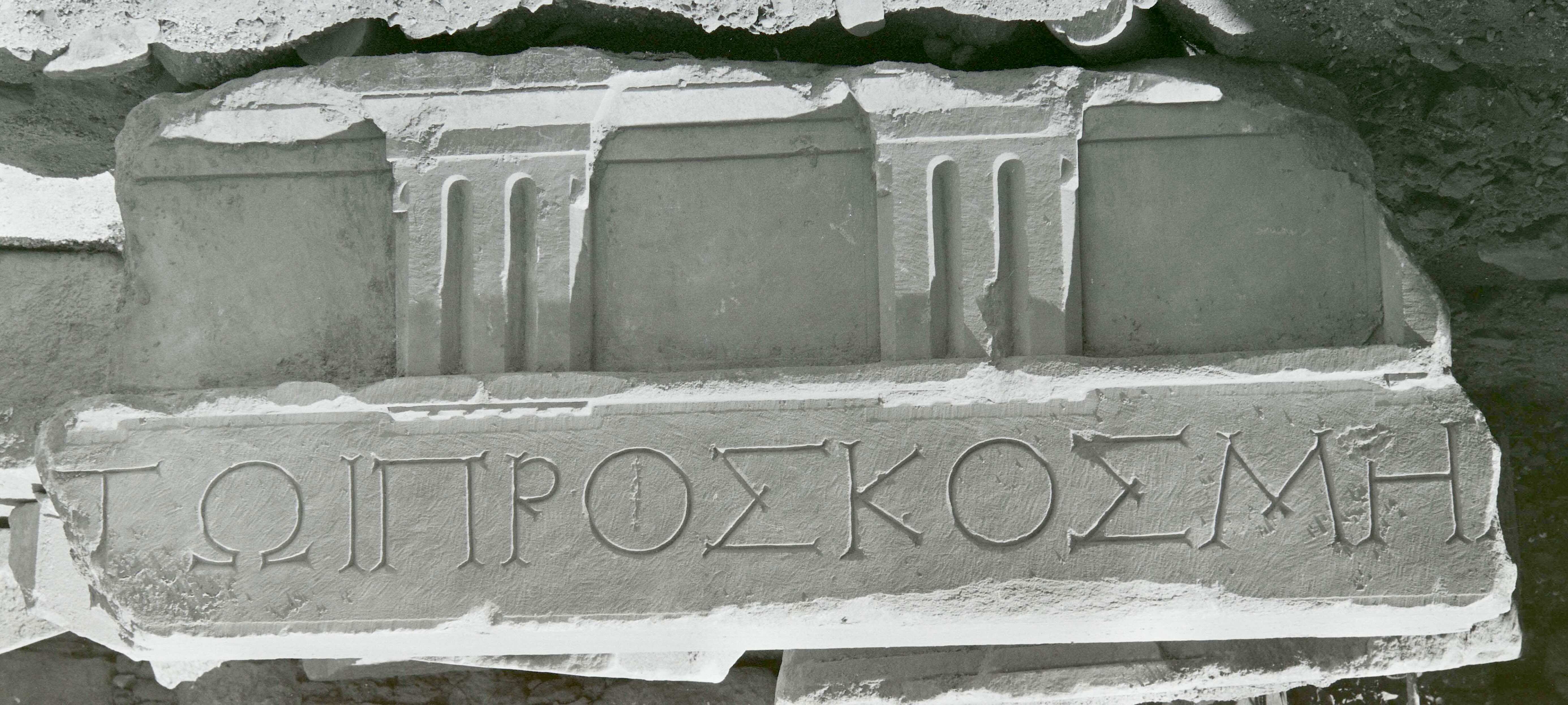
Fig. 11. i: h (Mehmet Ali Döğenci, 1971)
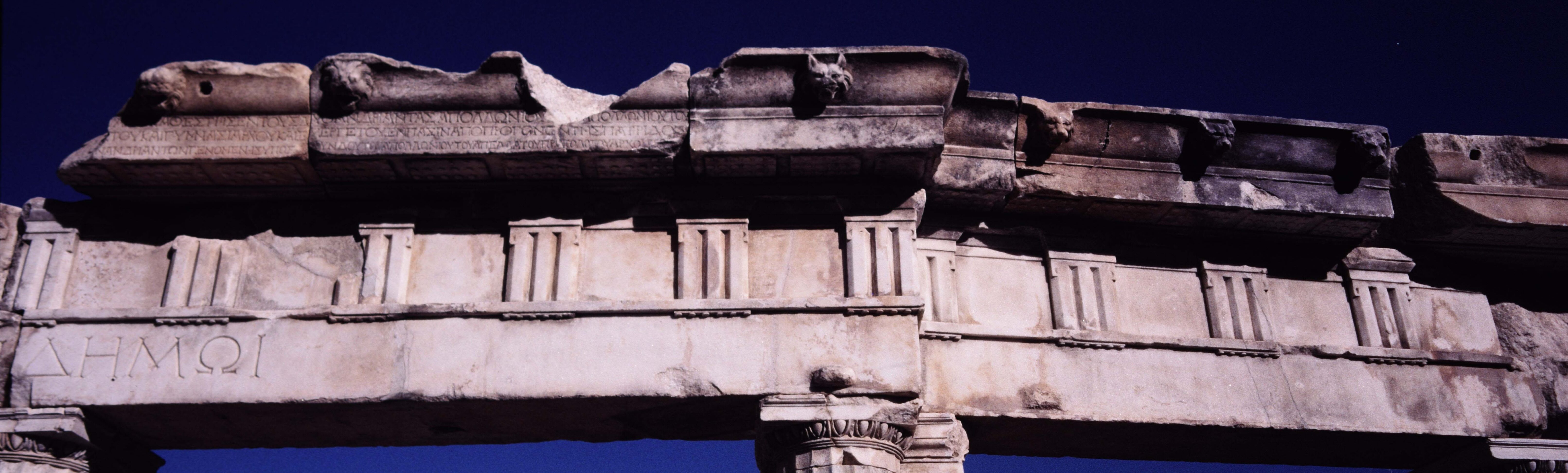
Fig. 12. i: k (Mehmet Ali Döğenci, 1987)
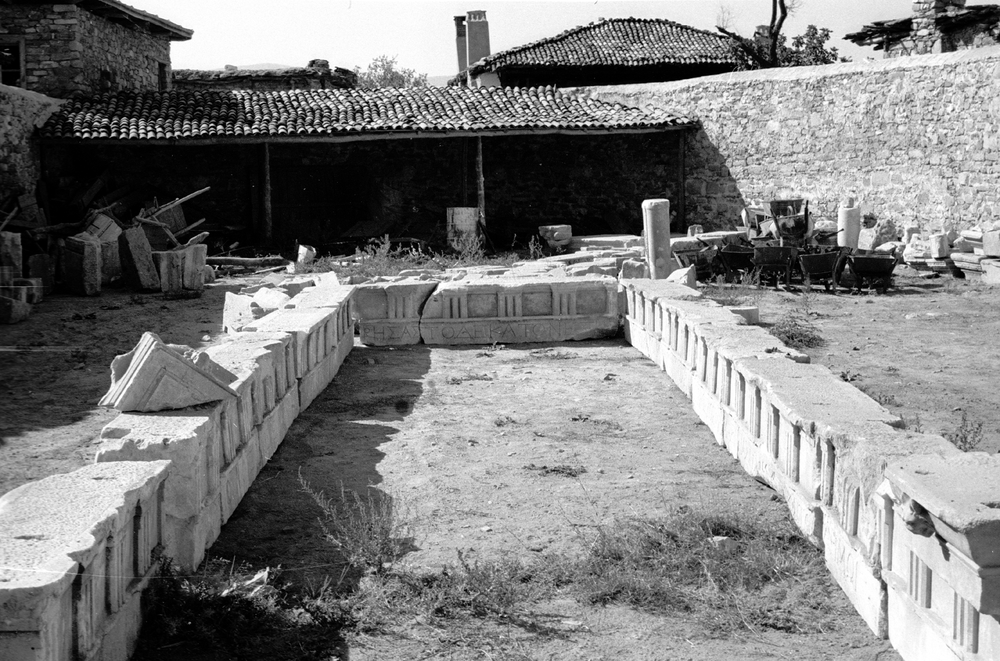
Fig. 13. i. assembled (Mossman Roueché, 1973)
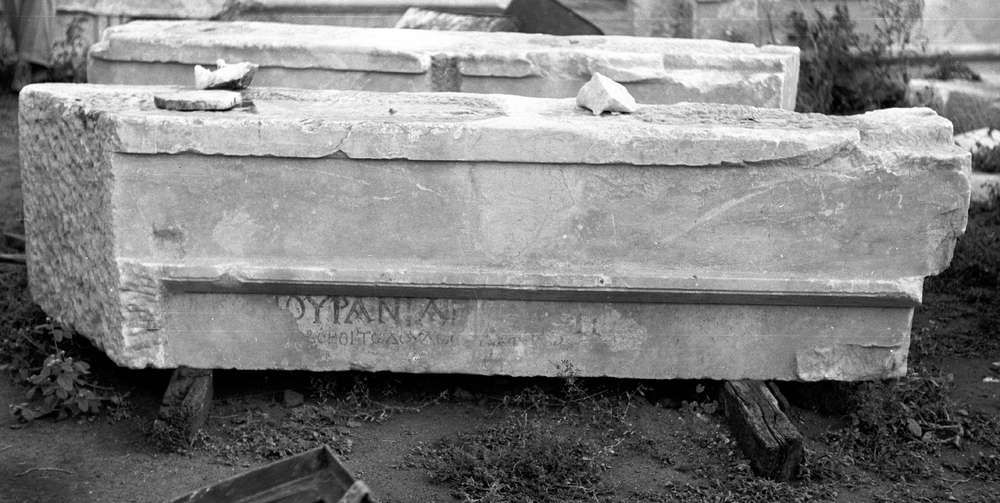
Fig. 14. ii. face (Mossman Roueché, 1975)
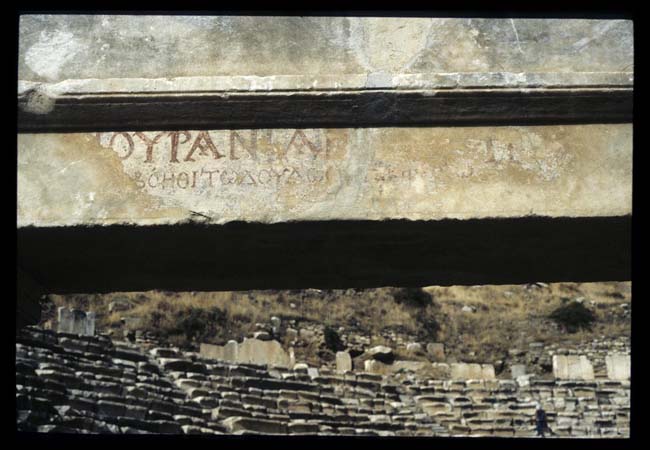
Fig. 15. ii. face in situ (2000)
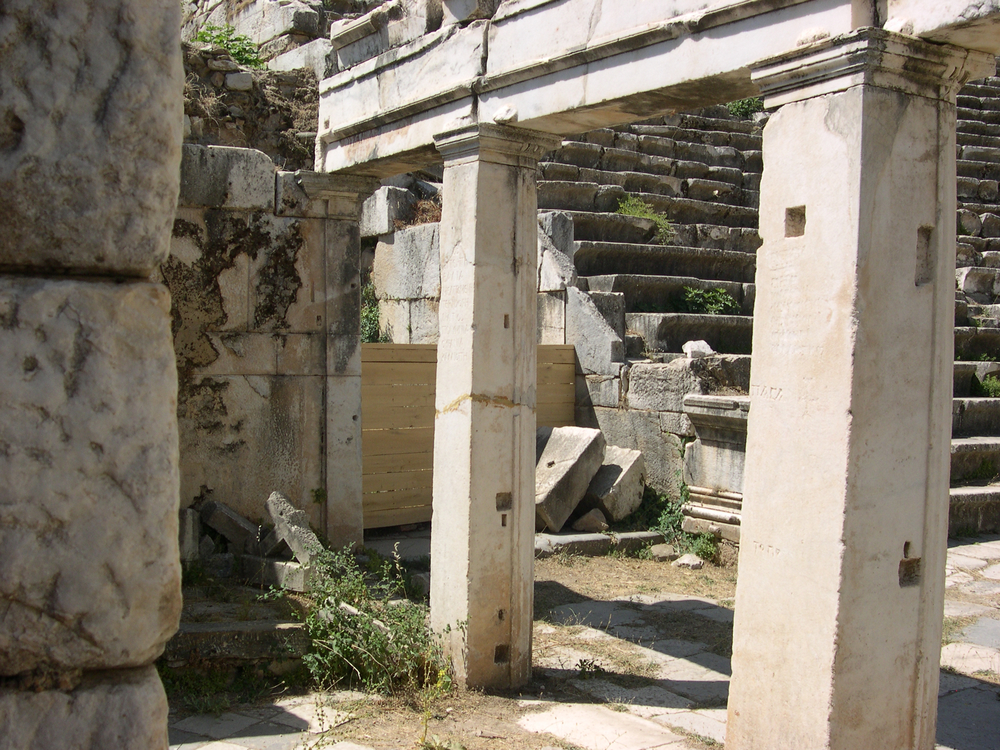
Fig. 16. ii, showing location at south end of skene (Mossman Roueché, 2004)
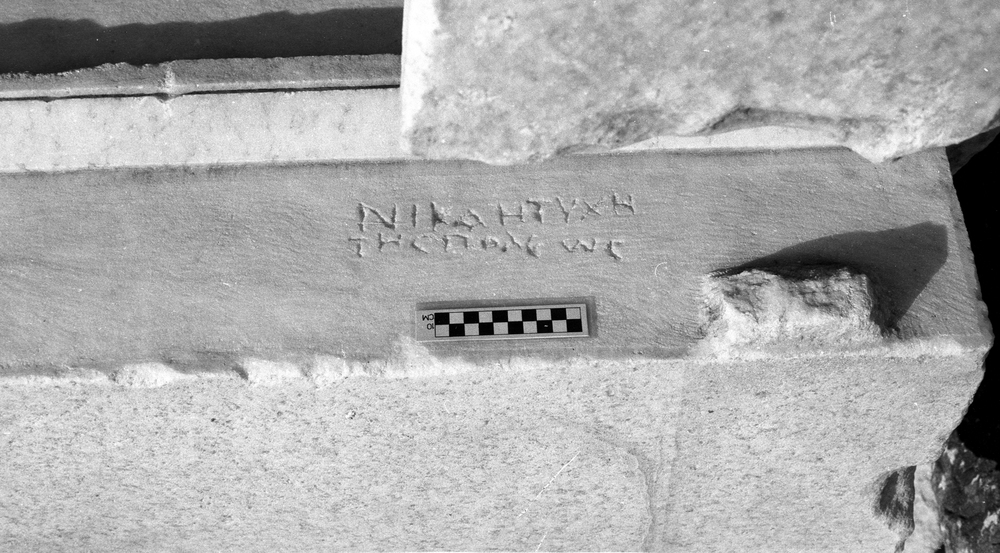
Fig. 17. iii. face (Mossman Roueché, 1985)
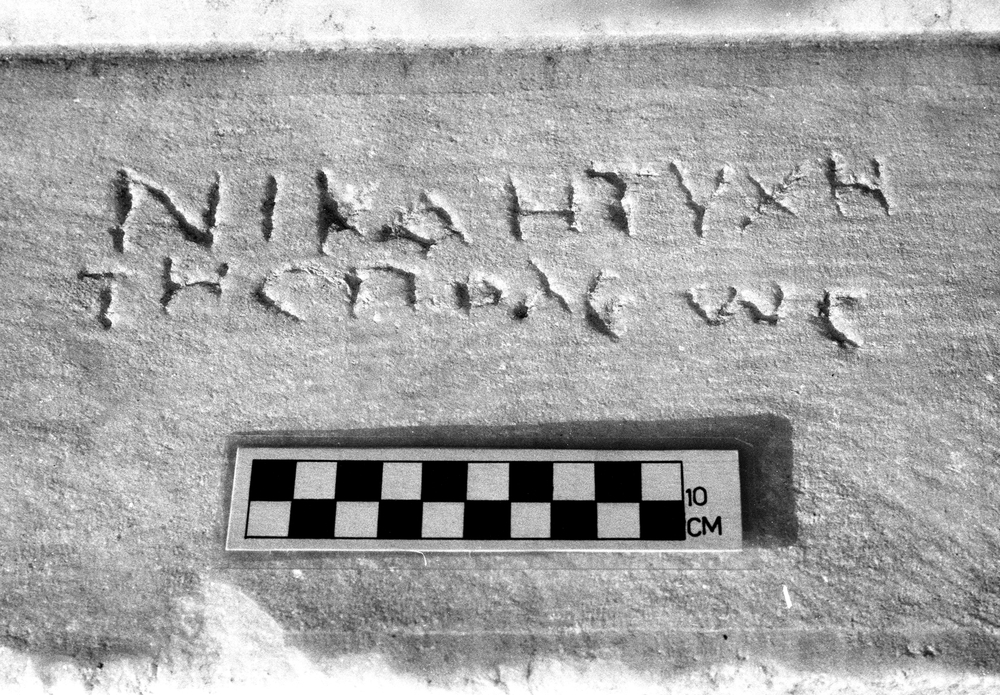
Fig. 18. iii. closeup (Mossman Roueché, 1985)