Description: Three joining fragments of a white marble sarcophagus front, which was fluted, with a central tabula ansata, flanked on either side by a smoother area with curving outlines.
Text: i, which is cut on the simple flat moulding along the top of the tabula, must have begun on an upper feature, and must represent all that remains of a previous inscription, erased from the tabula. ii is cut on the tabula and beyond it on the right.
Letters: i, standard second to third century lettering, 0.02; ii, in a rough cursive hand, letters 0.02-0.03.
Date: i: Second/third century; ii: Third/fourth century (formulae, penalty). (lettering)
Findspot: Aphrodisias: Old Museum.
Original location: Unknown.
Last recorded location: Museum.
Apparatus
ii.1: The final sigma of ὑποκείμεν[ο]ν is written as epsilon.
ii.3-4: The end of line 3 and the beginning of l.4 are very uncertain.
English translation
Translation source: ALA 2004
b. The coffin and the place beneath it are (scil. the property) of Aurelia Dionysia, daughter of Stephanos, in which (i.e. coffin) if anyone else should wish to bury (scil. anyone) he will give (?) of a penalty to the shrine of Aphrodite two ounces of gold.
Bibliography
Recorded: New York University expedition, main pieces before 1980, the third, left end fragment in 1989, Museum 101
Publication: Two fragments published Roueché, ALA 148 a and b whence McCabe, PHI, 1996 575, 436 ; with the third fragment ALA 2004 148, IAph2007 15.5.
Images
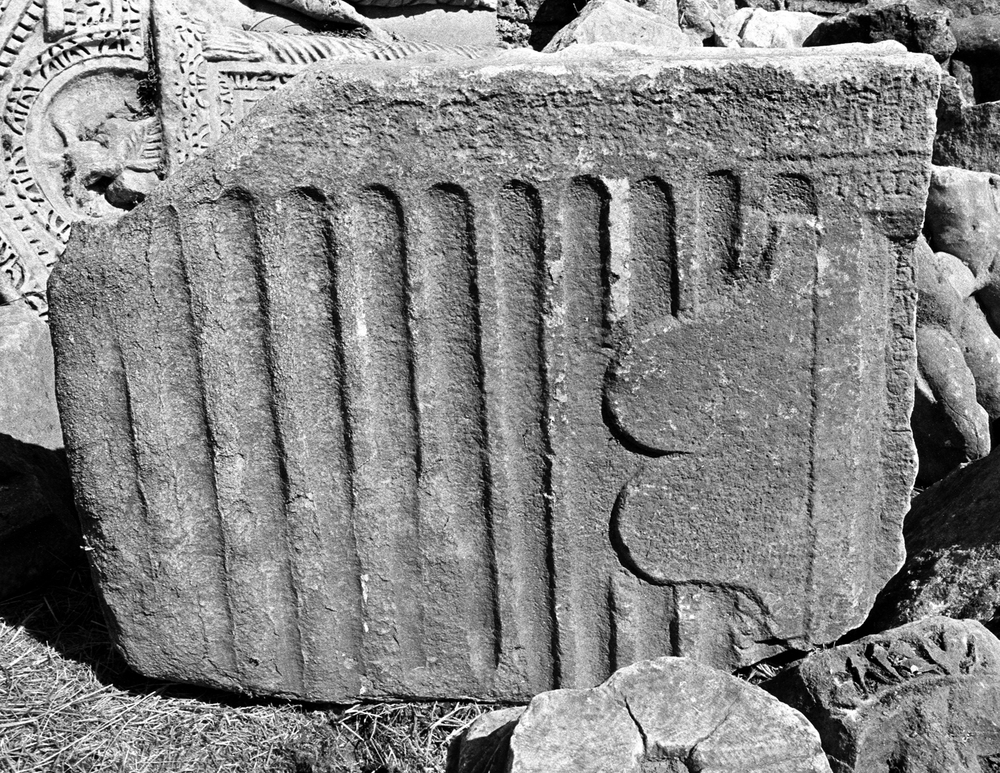
Fig. 1. Left end fragment (Mossman Roueché, 1989)
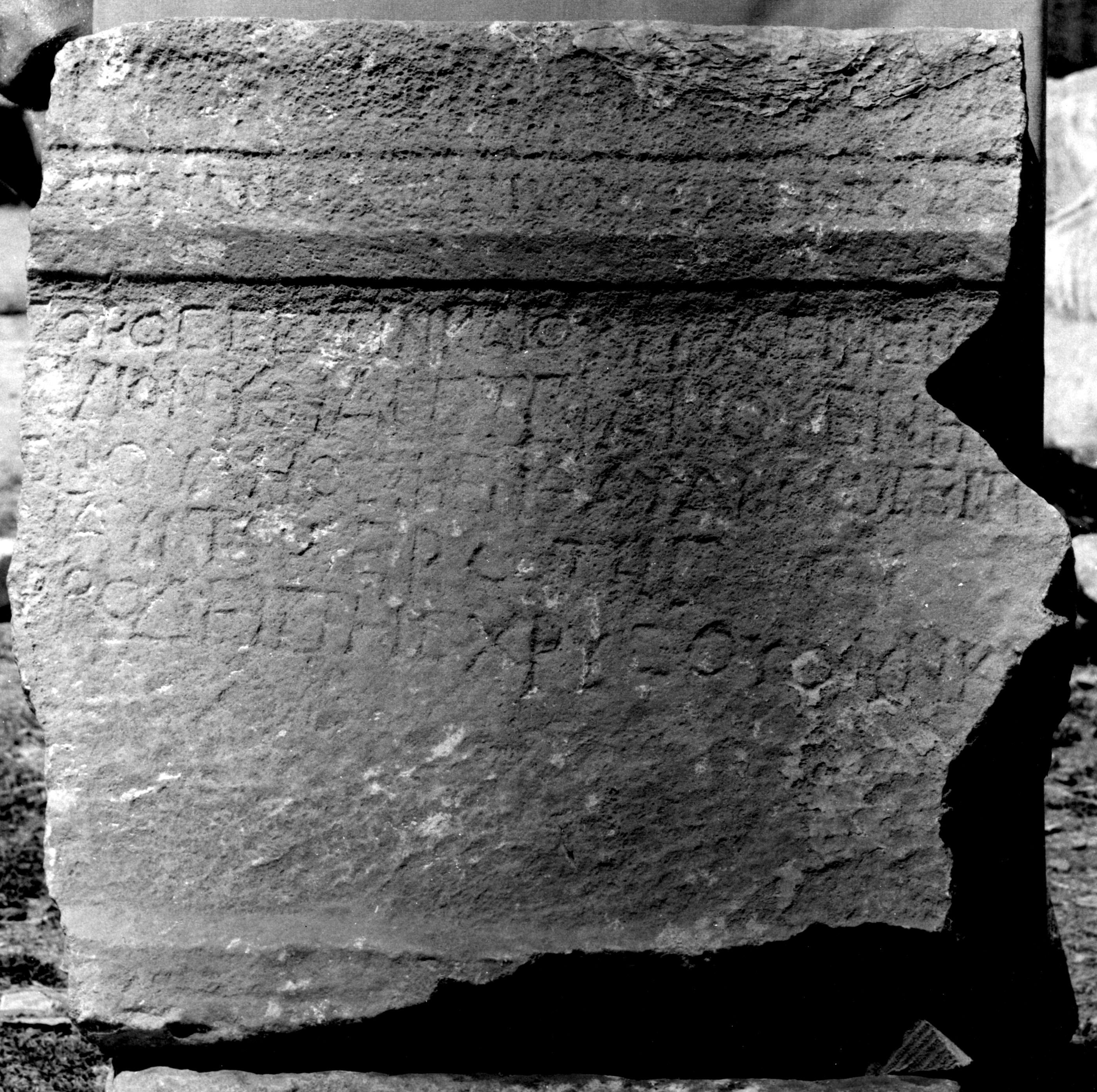
Fig. 2. Centre fragment (E. Alföldi-Rosenbaum, 1966)
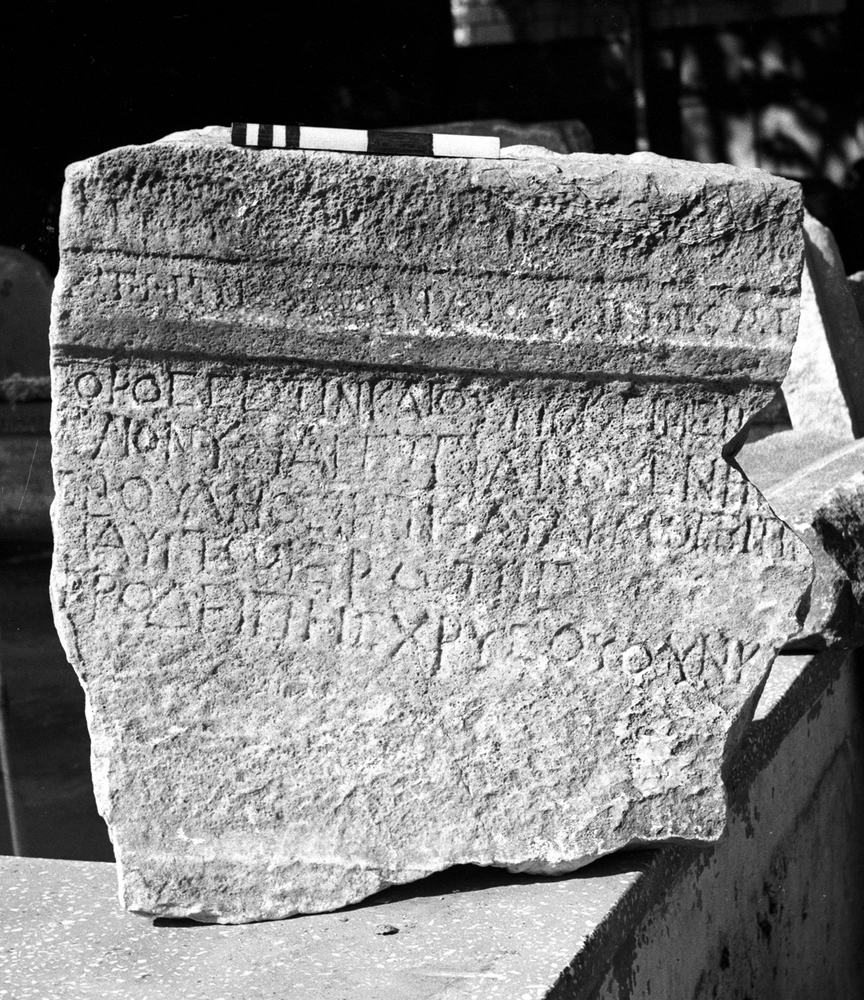
Fig. 3. Centre fragment (Mossman Roueché, 1981)
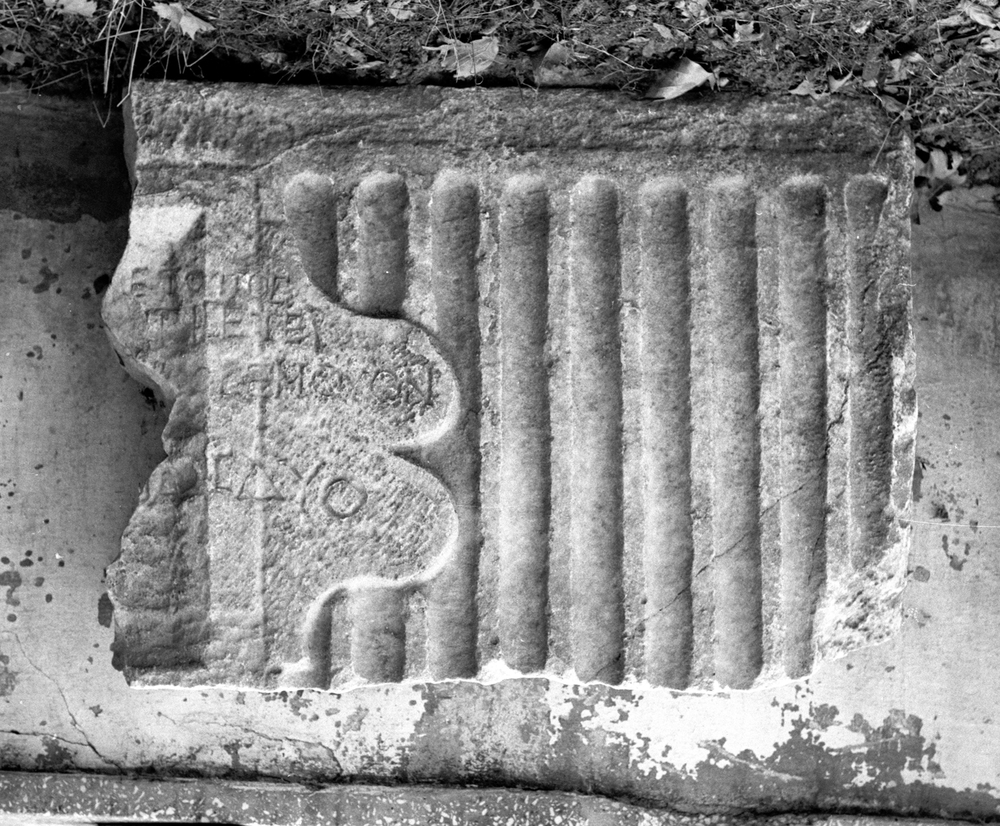
Fig. 4. Right end fragment (Mossman Roueché, 1983)