Description: Five white marble architrave blocks, complete or in fragments, with architrave and frieze cut in one on both faces; lettered from left to right: a two fragments, w: 1.58 × h: 0.647 × d: 0.60; b w: 3.20 × h: 0.66 × d: 0.66; c two joining fragments (w: 1.05 × h: 0.66 × d: 0.41). On one face, the frieze area is decorated with faces and masks in relief, but no inscription.
Text: Inscribed in two lines. The first line of the inscription is cut in the area of the frieze; the second line is cut on the uppermost of the three fasciae of the architrave. On block b a further text was cut, probably in the fourth century, on the lower two fasciae, and subsequently efficiently erased.
Letters: 0.07-0.08
Date: First century CE (lettering, prosopography)
Findspot: Aphrodisias: Sebasteion, Propylon area: a, NW Seb, surface; b, no provenance; c, W.Pr.I-82, IVa, 0.70.
Original location: Sebasteion, Propylon
Last recorded location: a and c in Museum, b on site
English translation
Translation source: Smith, 2013
To Aphrodite, (scil. the) Theoi Sebastoi, (scil. the) Demos, the Propylon and the timas (i.e. honorific statues) on it. Eusebes Philopatris and Menandros the sons of Menandros son of Eunikos, and Apphias daughter of Menandros (scil. set them up)
English translation
Translation by: Joyce M. Reynolds
For Aphrodite, the gods Augusti, the People: the propylon and the honorific statues on it, Eusebes (i.e. entitled) lover of his country and Menandros the sons of Menandros son of Eunikos, and Apphias daughter of Menandros, wife of Eusebes (scil. set it up)
Bibliography
Recorded: New York University expedition, 81.156, 81.159, 81.160, 81.162, 81.173 82.129
Publication: Reynolds, 1986 111, Smith, 1987 90, whence McCabe, PHI, 1996 97 ; Smith, 2013 Ded. 2, whence SEG 63.844, AE 2013.1572
Images
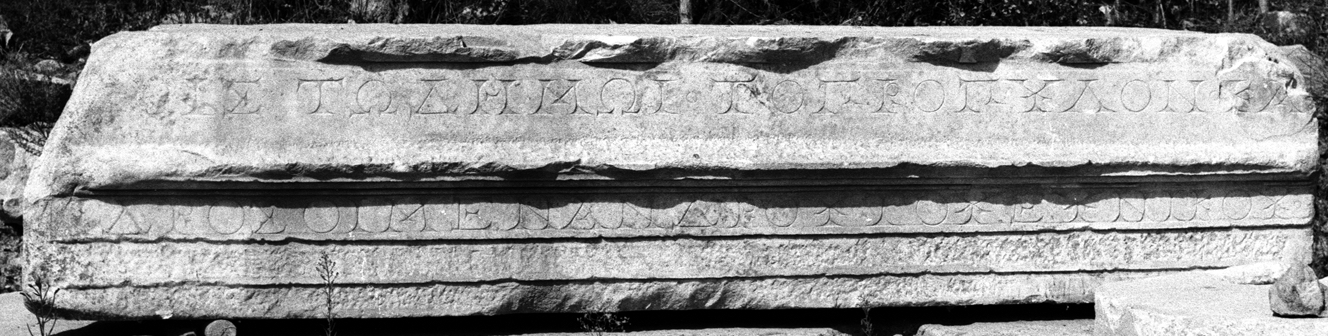
Fig. 1. Block b (Mossman Roueché, 1983)
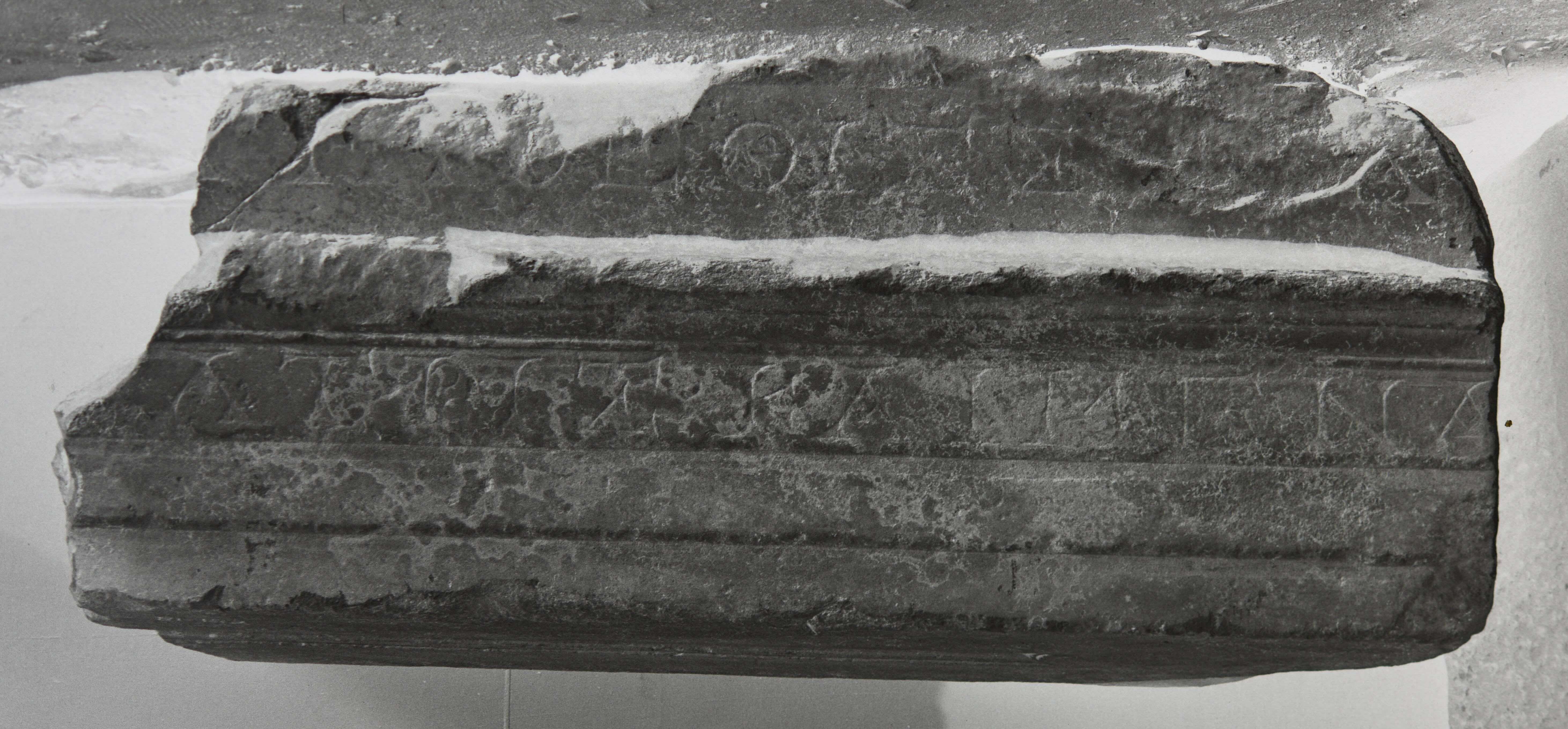
Fig. 2. Block c, right end (Mehmet Ali Döğenci, 1981)
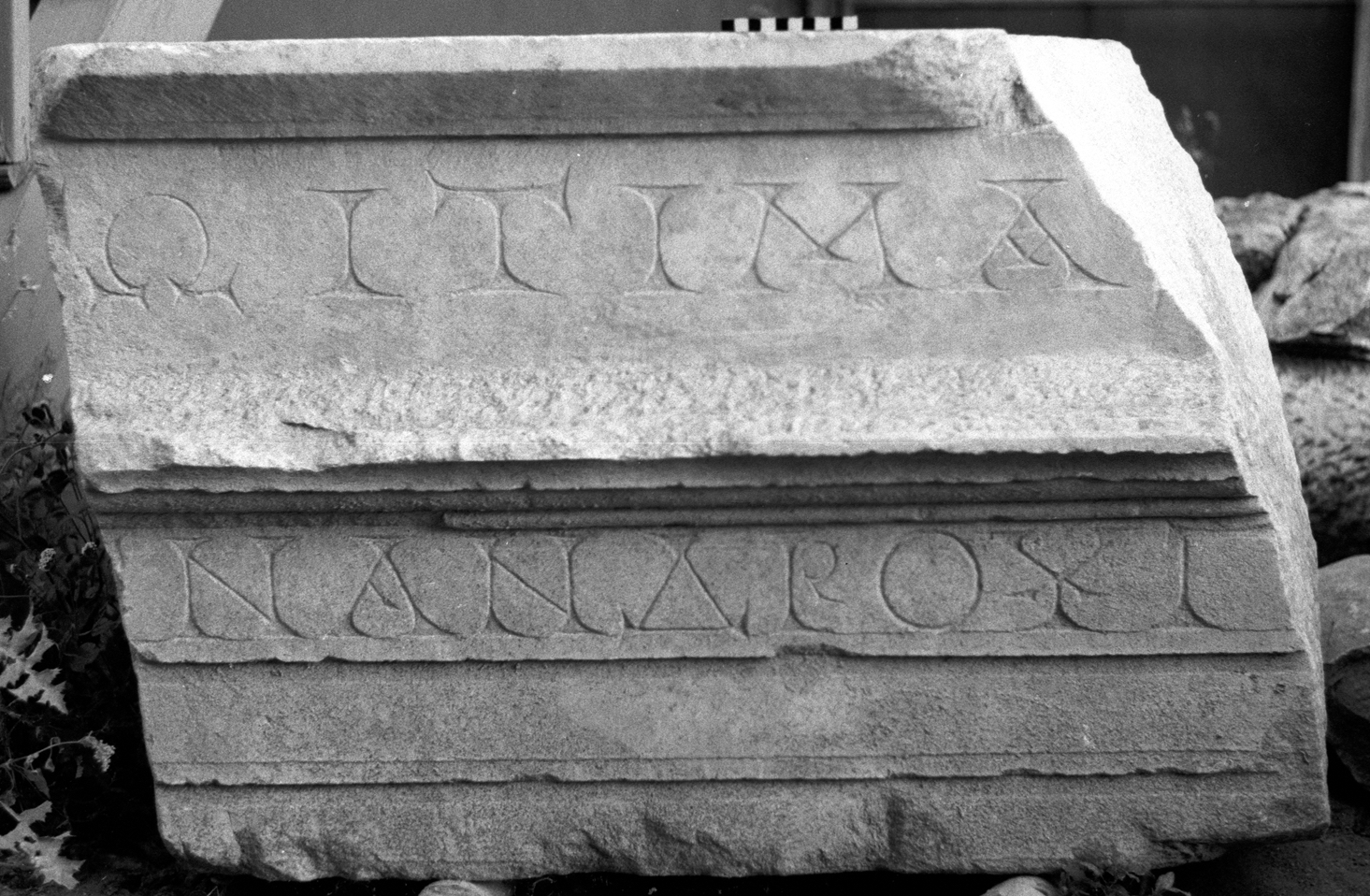
Fig. 3. Block d, centre (Mossman Roueché, 1983)
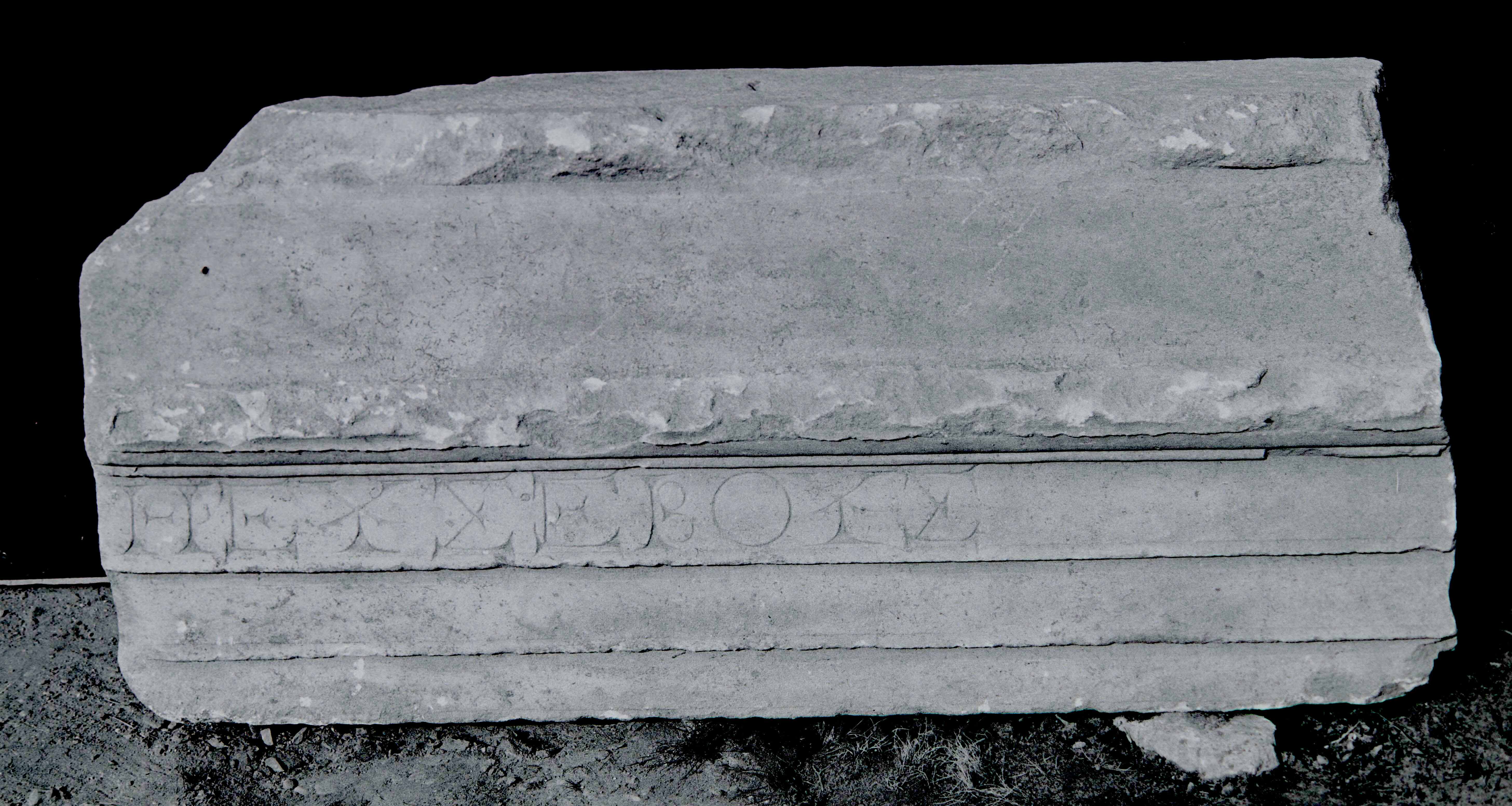
Fig. 4. Block d, right end (Mehmet Ali Döğenci, 1981)