Description: A rectangular white marble statue base shaft (w: 0.86 × h: 0.47 × d: 0.40) with panels within moulded edges on three sides.
Text: Inscribed on the central panel; on the right side panel the letters ΤΑ have been cut.
Letters: 0.02-0.03; irregular, and in varying forms; abbreviations: scroll above line in line 4; letter above line in line 5; there are apparently superfluous letters in lines 7 and 9.
Date: Late fifth/early-mid sixth century (offices; titles).
Findspot: Aphrodisias: Theatre: north stage.
Original location: Unknown.
Last recorded location: Museum.
Apparatus
1: Whatever stood at the beginning of the line—the outline suggests a cross—has been deeply erased.
7: The Α at the end of the line, which conforms to the other letters, might be a numeral or a false start in writing ἀνέθηκεν.
9: The Α is very roughly written, and has the appearance of a rough graffito addition.
English translation
Translation source: ALA 2004
The splendid and well-known metropolis of the Aphrodisians set up (scil. this statue of) Bitianos, clarissimus scholasticus and consular, their own benefactor and agonothete.
French translation
Translation source: AE
La splendide et bien connuemétropole d'Aphrodisias a dressé (cette statue) a Vitianus, clarissime, avocat et consulaire, son bienfaiteur et agonothéte
Bibliography
Recorded: New York University expedition 70.226, SBI 26
Publication: Roueché, ALA 65 and plate xvi, whence AE 1990.965, McCabe, PHI, 1996 669 , LSA 229; ALA 2004 65, IAph2007 8.273.
Images
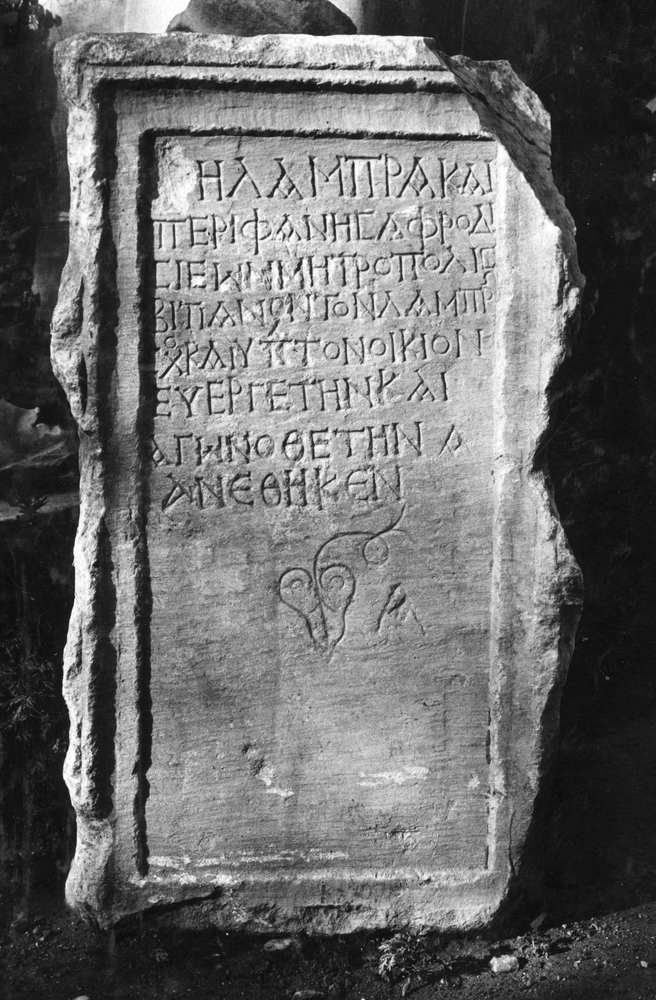
Fig. 1. Base (Mehmet Ali Döğenci, 1970)
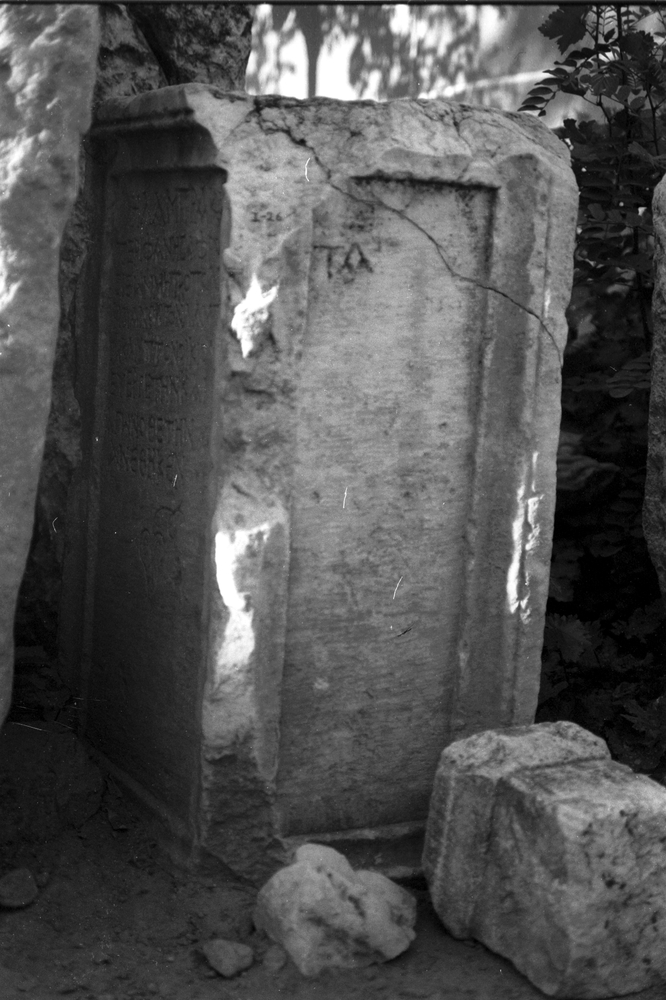
Fig. 2. Right side (Lenaghan, 1993)
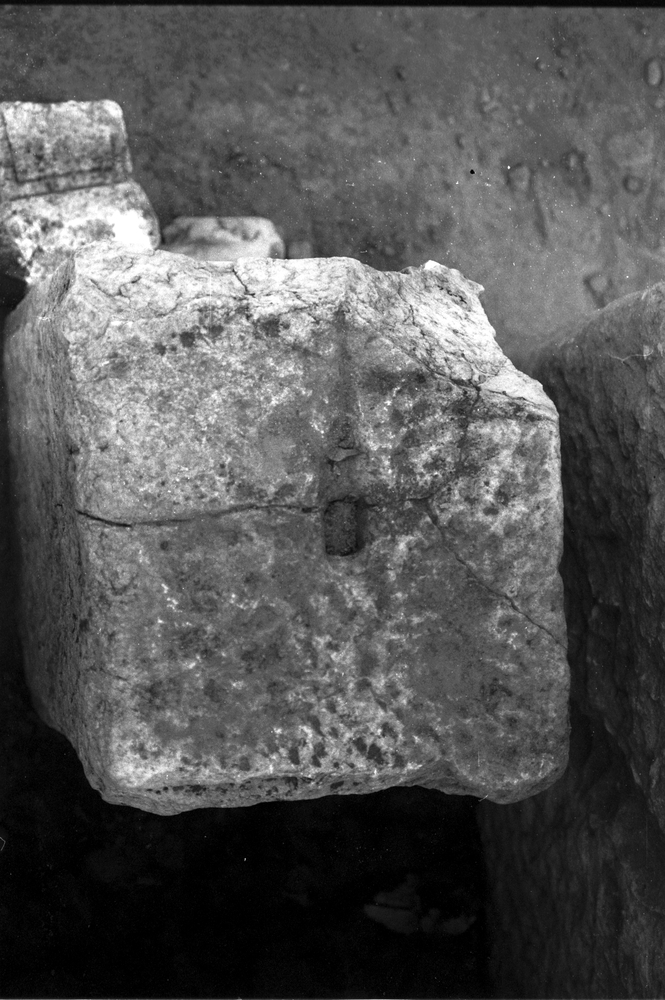
Fig. 3. Top (Lenaghan, 1993)
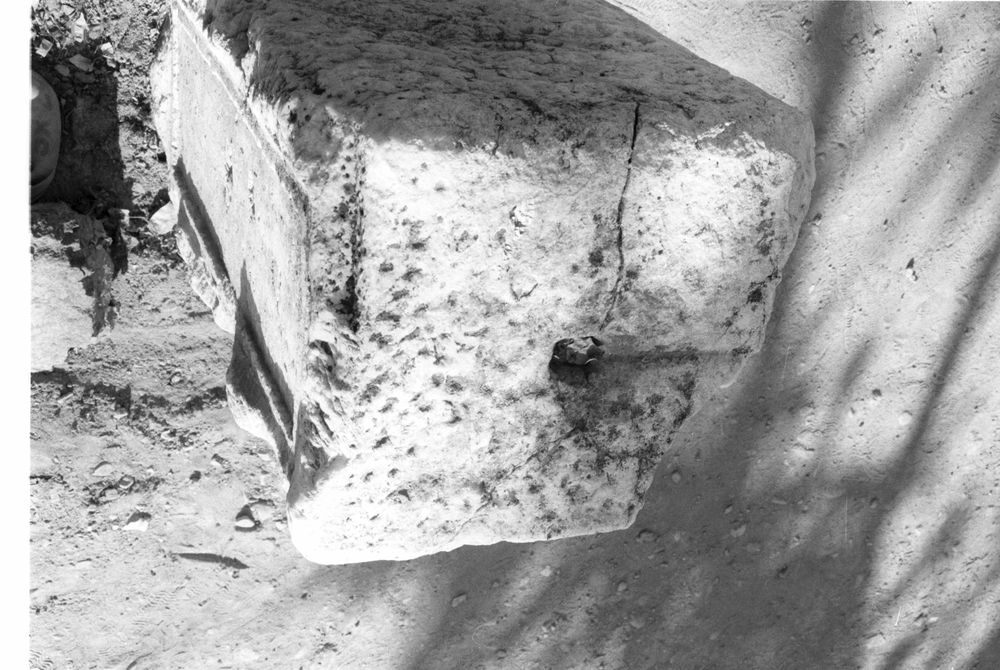
Fig. 4. Top (Lenaghan, 1994)
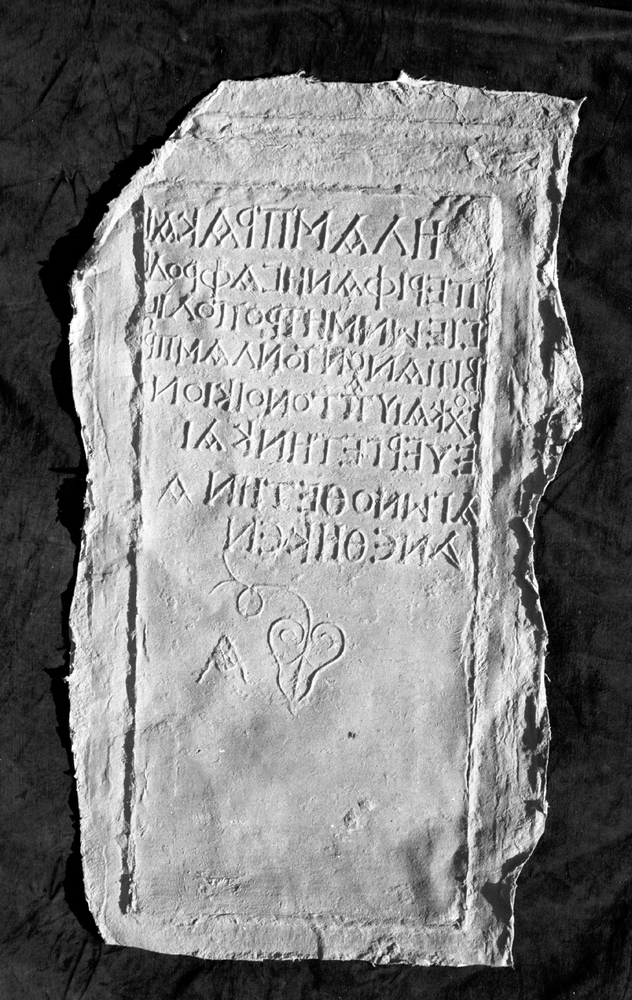
Fig. 5. Squeeze (Mossman Roueché, 1972)