Description: Three fragments (one lost) from a white marble architrave block cornice or lintel; a broken at both sides (w: 0.49 × h: 0.36 × d: 0.25); b: no measurements; c: (w: 0.75 × h: 0.38 × d: 0.75) right edge, which is the end of the cornice, survives
Text: Inscribed on two fasciae
Letters: 0.05
Date: Julio-Claudian (content, lettering)
Findspot: Aphrodisias: Temple/Church: b and c: 'Non procul a Veneris templo haec fragmenta colligebantur litteris majusculis' (Picenini)
Original location: Unknown: perhaps Temple/Church
Last recorded location: a and c in the Temple; b not found again.
Apparatus
The letters seen only by Sherard (fragment b) are highlighted.
1: ΟΗΘΕΩ Sherard, 1705 The final sigma in fragment c was read by MAMA but not by Reinach.
2: Sherard showed a dotted line between lines 1 and 2 (perhaps indicated the stepping of the fasciae), and a leaf after Εὔνικος.
English translation
Translation source: Sitz, 2019
To the emperor, the god Augustus Caesar, pater patriae, Eusebes Philopatris son of Menandros, and Eunikos, son of Menandros (gave it)
English translation
Translation source: IAph2007
To Imperator the god Augustus Caesar, pater patriae, Eusebes son of Menandros, (entitled) lover of his country, and Eunikos, son of Menandros (?gave this)
Bibliography
Recorded: b and c : Picenini, 1705 20 and, from Tisser, 56v, whence Sherard, 1705 31; a and c: Gaudin, 1904 72, 73; c: Calder, 1934 ; a and c New York University expedition
Publication: a and c: Reinach, 1906 192 and 191; b and c CIG II.2, 1835 2738 and 2773 ; c: MAMA 8 433 ; Reynolds, 1980 8 , whence SEG 30.1244 , McCabe, PHI, 1996 94 ; IAph2007 1.102; Sitz, 2019 148-149, whence SEG 69.712
Images
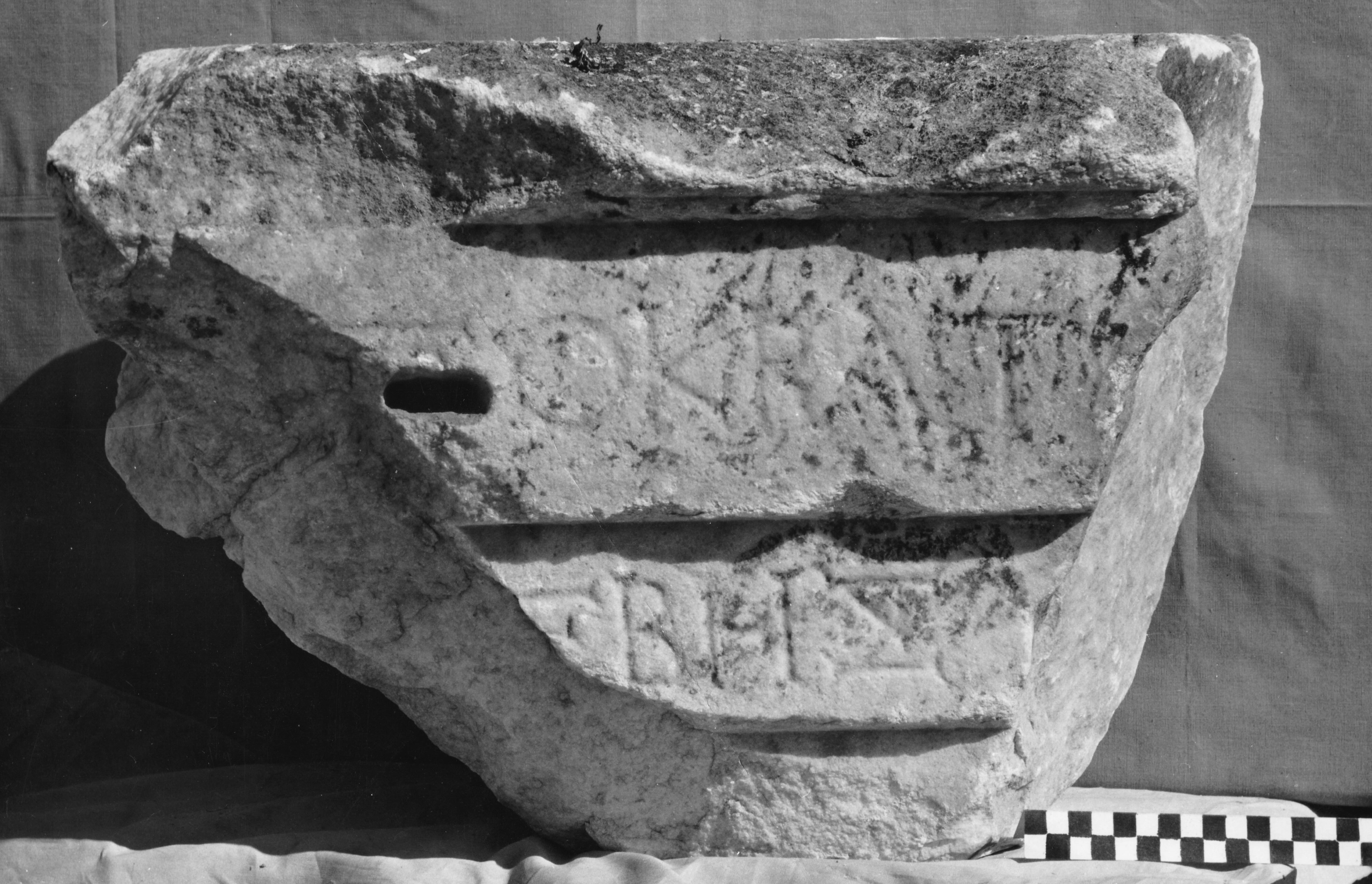
Fig. 1. Fragment a (E. Alföldi-Rosenbaum, 1966)
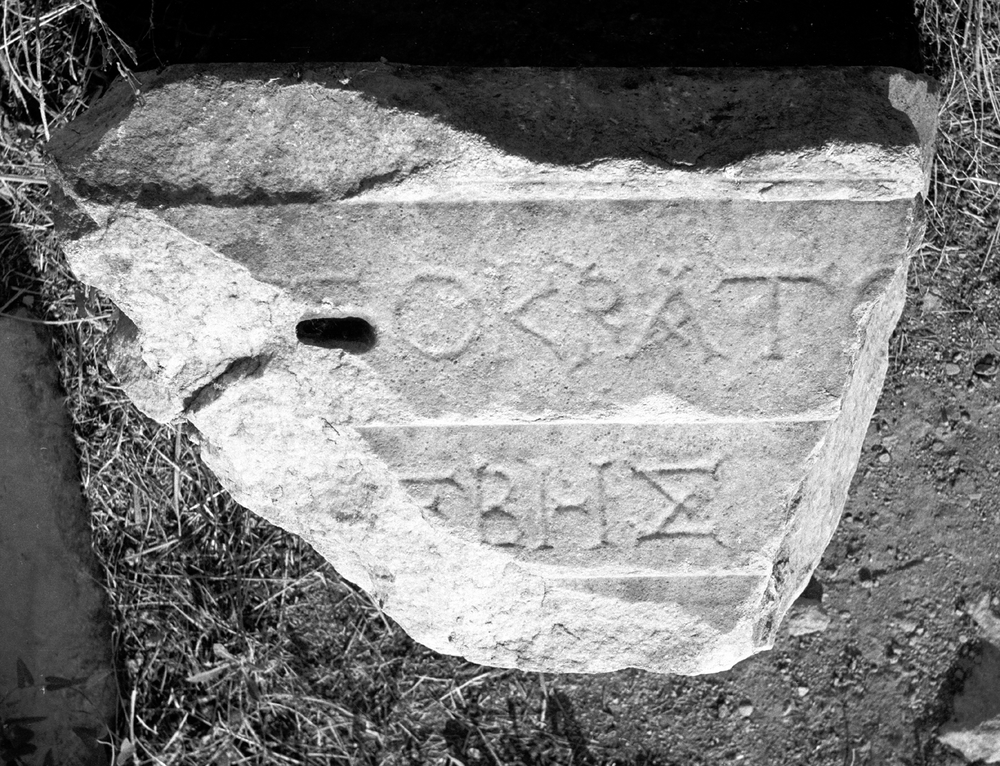
Fig. 2. Fragment a (Mossman Roueché, 1976)
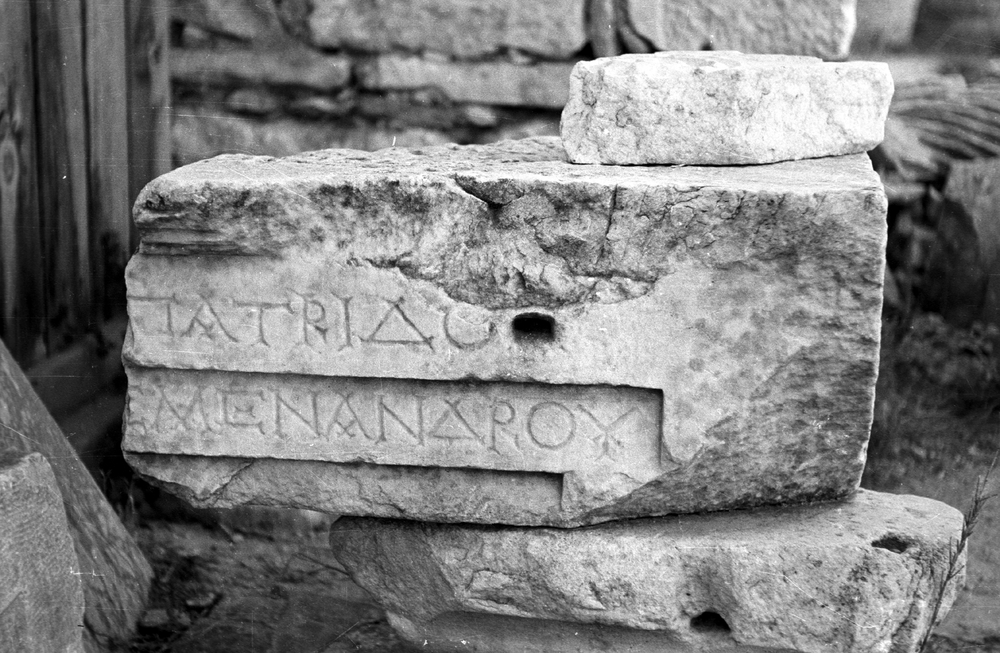
Fig. 3. Fragment c (Mossman Roueché, 1976)