[------]
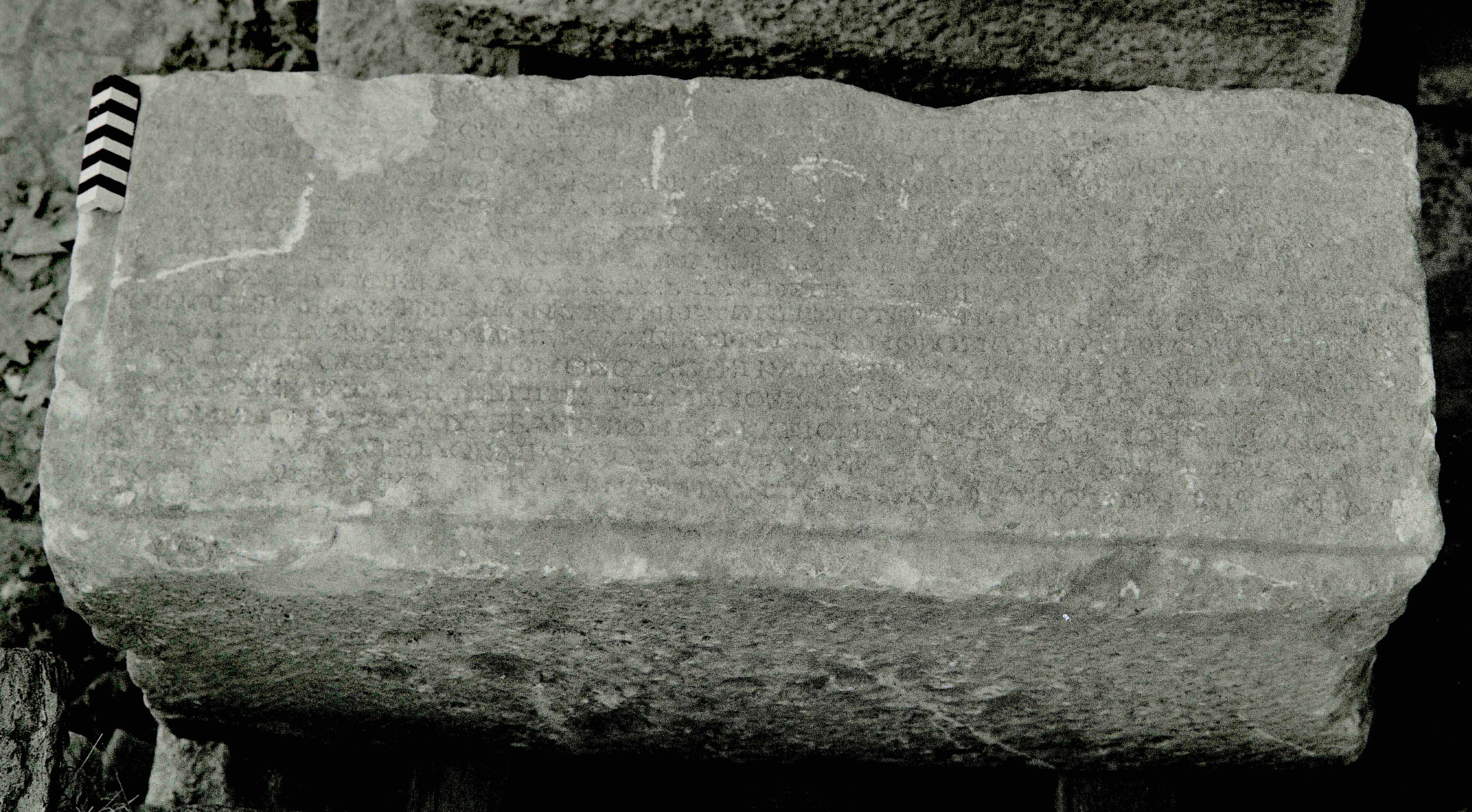
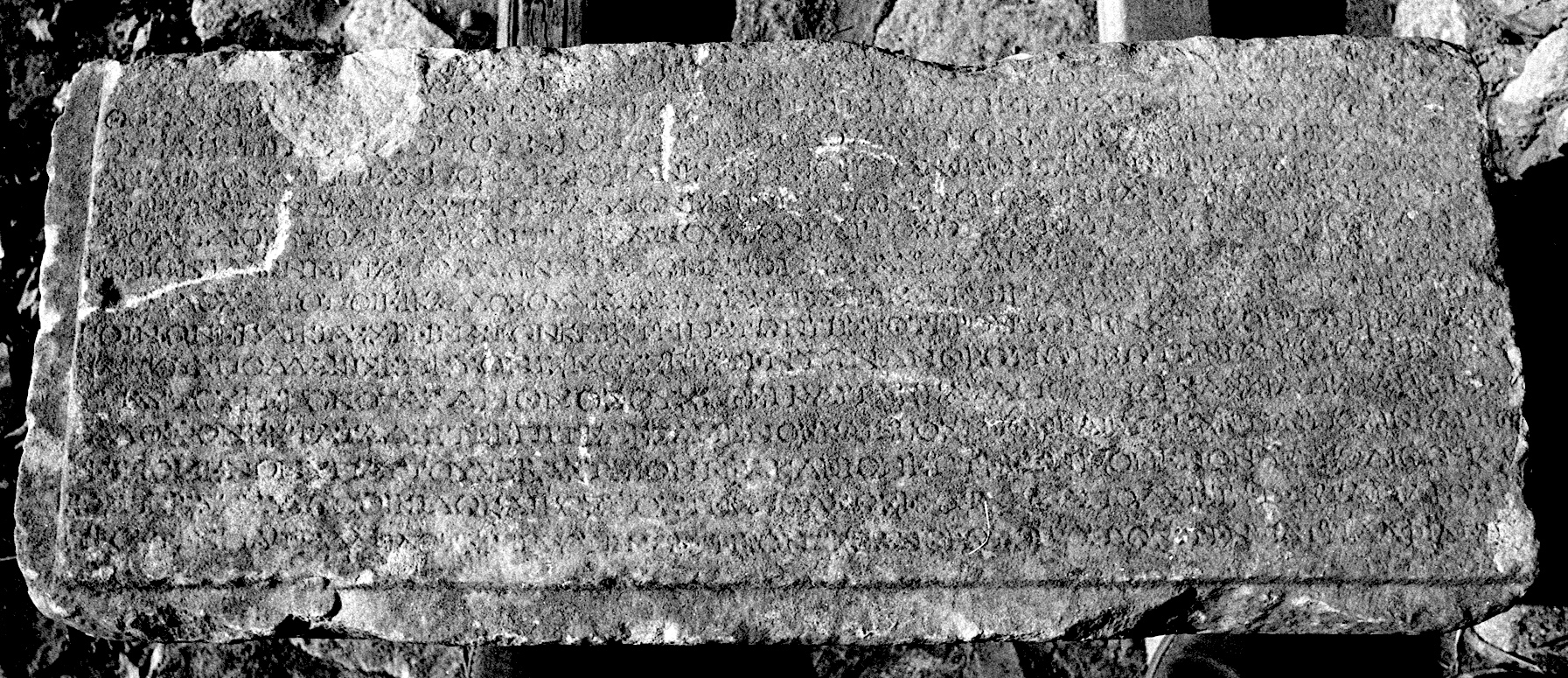
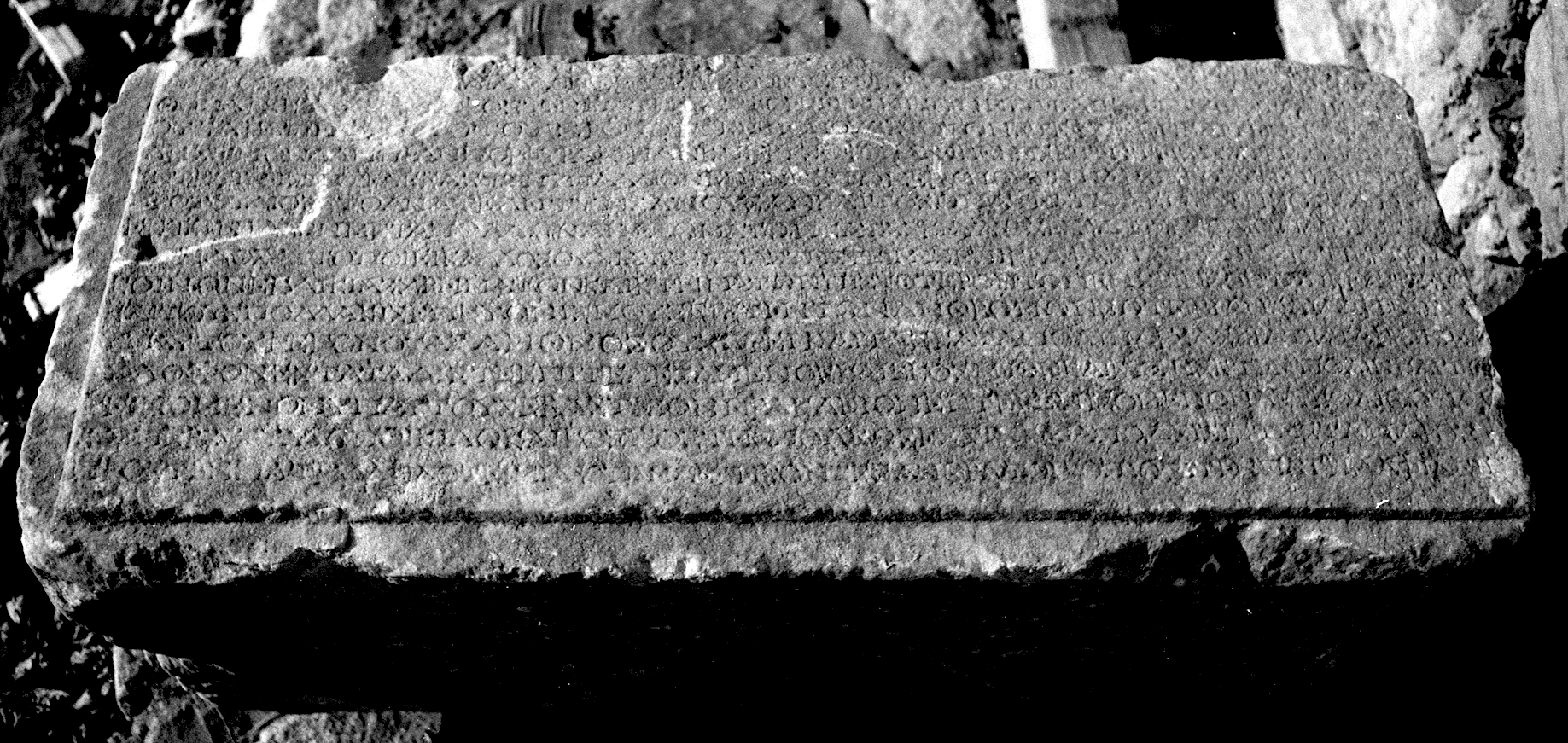
διὰ τὸ πολ[λοῖς τε] καὶ ἄλλοις ἐργοῖς προτε̣τ̣ε̣ι̣μήκενα̣ι̣ τ̣ὴ̣ν πόλι̣ν κ̣α̣ὶ ἄ̣λ̣λ̣ω̣ς̣ ἐ̣π̣α̣ν̣ορ̣-
θῶν ἄρχετ[αι τῇ?] πρὸς τὴν πατρίδα στοργῇ, μηνῶν ἤδη διεληλυθότων ἕξ, κ̣α̣[ὶ]
οὐκ ἀγαπή[σας τ]ὸ τοῦ χρόνου τείμιον οὐδὲ τὸ τῶν στεφάνων καὶ τῃς πορφύρας
ἀρίσημον, λαμπρὰν πορφυραφορίαν καὶ χρυσοφορίαν ἠρίθμησε τὴν τῆς πατρίδος εὐνοία[ν]
5ἐν τρισὶ μησὶν τελέσας τὴν ὑπ’ἄλλων ἐν ἐνιαυτῷ μεριμνωμένην ἀρχιερωσύνην καὶ τὴ[ν]
πρὸ τοῦ Διὸς στοὰν, ἀτελῆ τυνχάνουσαν καὶ τὸ σῶμα τῆς πόλεως ὑβρίζουσαν,
ἐκ τῶν ἰδίων μετὰ πολλῶν ἀναλωμάτων κατασκεύασας, ἐνέδειξε διότι τὸ τ̣[ῆς]
π[α]τρίδος αὐ̣τὸ ποιεῖ κάλλος οὐ διὰ τὰς ἰδίας τῆς τειμῆς ἐπιγραφὰς, τὰς μεν γὰρ ὑπὲρ τῶν
κοινῶν ἐκδικίας χρημάτων καὶ κτημάτων πιστότερον τῶν ἐνχειρισθέντων ἐβάστασε
10καὶ τοὺς πολλάκις ἐπευωνισμοὺς εἰς τὴν τῶν ἀνθρώπων σωτηρίαν καὶ δαψιλείαν
ὑπ’αὐτοῦ γεγονότας ἀριθμὸς οὐ χωρεῖ, καὶ τὰς κατὰ πόλιν ἀρχὰς κράτιστα καὶ με-
γαλοφρονέστατα δίς τε, ἐπιτελεσάμενος, καὶ ἐκόσμησεν καὶ ἠύξησε τὴν πόλιν καὶ τὸ
γεινόμενον ὑπ’αὐτοῦ Σεβαστεῖον Ἡρακλεῖον, ἐντεμενιζόμενον λευκολίθῳ να[ῷ]
καὶ περιστύλῳ ποικίλῳ καὶ κόσμος τῆς πόλεως ἐστιν καὶ ἀπόδειξις τῆς τ’ἀνδρὸς
15πρὸς τὴν πατρίδα φιλοτειμίας ὅτι μ̣η̣δὲ Π̣Η̣Ρ̣Ο̣ΝΤ̣Ε̣Σ ἄνθρωποι ὅπως τὴν πατρίδα φιλεῖν
[------]
διὰ τὸ πολ[λοῖς τε] καὶ ἄλλοις ἐργοῖς προτε̣τ̣ε̣ι̣μήκενα̣ι̣ τ̣ὴ̣ν πόλι̣ν κ̣α̣ὶ ἄ̣λ̣λ̣ω̣ς̣ ἐ̣π̣α̣ν̣ορ̣-
θῶν ἄρχετ[αι τῇ?] πρὸς τὴν πατρίδα στοργῇ, μηνῶν ἤδη διεληλυθότων ἕξ, κ̣α̣[ὶ]
οὐκ ἀγαπή[σας τ]ὸ τοῦ χρόνου τείμιον οὐδὲ τὸ τῶν στεφάνων καὶ τῃς πορφύρας
ἀρίσημον, λαμπρὰν πορφυραφορίαν καὶ χρυσοφορίαν ἠρίθμησε τὴν τῆς πατρίδος εὐνοία[ν]
5ἐν τρισὶ μησὶν τελέσας τὴν ὑπ’ἄλλων ἐν ἐνιαυτῷ μεριμνωμένην ἀρχιερωσύνην καὶ τὴ[ν]
πρὸ τοῦ Διὸς στοὰν, ἀτελῆ τυνχάνουσαν καὶ τὸ σῶμα τῆς πόλεως ὑβρίζουσαν,
ἐκ τῶν ἰδίων μετὰ πολλῶν ἀναλωμάτων κατασκεύασας, ἐνέδειξε διότι τὸ τ̣[ῆς]
π[α]τρίδος αὐ̣τὸ ποιεῖ κάλλος οὐ διὰ τὰς ἰδίας τῆς τειμῆς ἐπιγραφὰς, τὰς μεν γὰρ ὑπὲρ τῶν
κοινῶν ἐκδικίας χρημάτων καὶ κτημάτων πιστότερον τῶν ἐνχειρισθέντων ἐβάστασε
10καὶ τοὺς πολλάκις ἐπευωνισμοὺς εἰς τὴν τῶν ἀνθρώπων σωτηρίαν καὶ δαψιλείαν
ὑπ’αὐτοῦ γεγονότας ἀριθμὸς οὐ χωρεῖ, καὶ τὰς κατὰ πόλιν ἀρχὰς κράτιστα καὶ με-
γαλοφρονέστατα δίς τε, ἐπιτελεσάμενος, καὶ ἐκόσμησεν καὶ ἠύξησε τὴν πόλιν καὶ τὸ
γεινόμενον ὑπ’αὐτοῦ Σεβαστεῖον Ἡρακλεῖον, ἐντεμενιζόμενον λευκολίθῳ να[ῷ]
καὶ περιστύλῳ ποικίλῳ καὶ κόσμος τῆς πόλεως ἐστιν καὶ ἀπόδειξις τῆς τ’ἀνδρὸς
15πρὸς τὴν πατρίδα φιλοτειμίας ὅτι μ̣η̣δὲ Π̣Η̣Ρ̣Ο̣ΝΤ̣Ε̣Σ ἄνθρωποι ὅπως τὴν πατρίδα φιλεῖν
[------]