[Ἀφροδίτῃ θεοῖς Σεβαστοῖς Ὀλυνπίοις καὶ τῷ Δήμῳ?] | ((star)) Εὐσέβης Φιλό[πατρις καὶ Μένα]ν̣δρος οἱ Μ | ενάν[δρου τοῦ Εὐνί]κου
[καὶ Ἀπ] | φιας Μενάν[δρου γυνὴ Εὐσε]βοῦς ((stop)) ἀνέθη̣[κ]α̣ν ἐκ τῶ | ν ἰδ[ίων] ((star)) ὑπὸ σεισ̣[μῶ]ν δ[ὲ κατενεχθέντα
καὶ ἀχρηω]θέν | [τ]α πά[λ]ι̣ν ἐκ τῶν ἰ | δίων ((stop)) Ἀπφίας ( vac. 1) σὺν | καὶ Τάτᾳ τῇ θυγα | τρὶ ( vac. 1) καὶ Μενάνδρῳ
| κ[α]ὶ Εὐσεβεῖ τοῖς ἐγ | γόνοις τελέσασα | ἀποκαθέστησεν | ( vac. 5)
Description: Six blocks and 16 fragments of white marble architrave blocks (w: 1.63 × h: 0.31 × d: 0.57-0.69 in depth). Above is a decoration of mutules, spaced at intervals of 0.30.
Text: The inscription runs in one line on a single, unstepped, face. The face is drafted above, below and at the ends of each block; the upper drafting line rises to follow the line of the moulding between the mutules. The inscription was cut when the blocks were in place, and letters run across joins.
Letters: 0.09; small star for stop.
Date: First century CE (lettering, prosopography)
Findspot: Aphrodisias: Six architrave blocks were found in the Sebasteion. These formed the left end of the inscription, and are succeeded by several empty blocks. 16 fragments of the preceding text were found, over a period of several years, re-used in the Byzantine defence wall built across the east wall of the Theatre.
Original location: Sebasteion, North Portico
Last recorded location: Museum or restored on site.
[........................................] | * ΕΥΣΕΒΗΣΦΙΛΟ[.............].ΔΡΟΣΟΙΜ | ΕΝΑΝ[...........]ΚΟΥ[.....] | ΦΙΑΣΜΕΝΑΝ[............]ΒΟΥΣ • ΑΝΕΘ.[.].ΝΕΚΤΩ | ΝΙΔ[...] * ΥΠΟΣΕΙ.[..]ΝΔ[.....................]ΘΕΝ | [.]ΑΠΑ[.].ΝΕΚΤΩΝΙ | ΔΙΩΝ • ΑΠΦΙΑΣ ΣΥΝ | ΚΑΙΤΑΤΑΤΗΘΥΓΑ | ΤΡΙ ΚΑΙΜΕΝΑΝΔΡΩ | Κ[.]ΙΕΥΣΕΒΕΙΤΟΙΣΕΓ | ΓΟΝΟΙΣΤΕΛΕΣΑΣΑ | ΑΠΟΚΑΘΕΣΤΗΣΕΝ |
Apparatus
1: ἀνέθη[κα]ν Smith, 2013
English translation
Translation source: Smith, 2013
Το Aphrodite, (the) Theoi Sebastoi Olympioi, and the Demos. (star) Eusebes Philopatris and Menandros, sons of Menandros son of Eunikos, and Apphias, daughter of Menandros, wife of Eusebes, set (this) up from their own funds. (star) When it was thrown down and made useless by earthquakes, again from her own funds, Apphias, with both Tata, her daughter and Menandros and Eusebes her grandsons, completed and restored (it).
English translation
Translation source: IAph2007
[For Aphrodite, for the gods Augusti Olympians, for the People]: Eusebes (scil. entitled) lover of his country, and Menandros, the sons of Menandros the son of Eunikos and Apphias daughter of Menandros, [wife of] Eusebes set (scil. this) up at their own expense. After it was thrown down and made useless by earthquakes, again at their own expense Apphias completed and set it up again, in company with Tata, her daughter, and Menandros and Eusebes her grandsons.
Bibliography
Recorded: New York University expedition in the Sebasteion (from left to right, 81.88, 81.89, 81.87, 81.85, 81.94, 81.95) and in the East wall of the Theatre between 1967 and 1972 (67.471, 70.247, 70.248, 71.431, 71.432, 71.440, 72.162, 72.164, 72.215, 72.216, 73.151, 73.167, 83.150.
Publication: Erim, 1982 278, note 8, Smith, 1987 90 (mentions), whence McCabe, PHI, 1996 95 ; IAph2007 9.1; Smith, 2013 Ded. 4, whence SEG 63.846.
Images
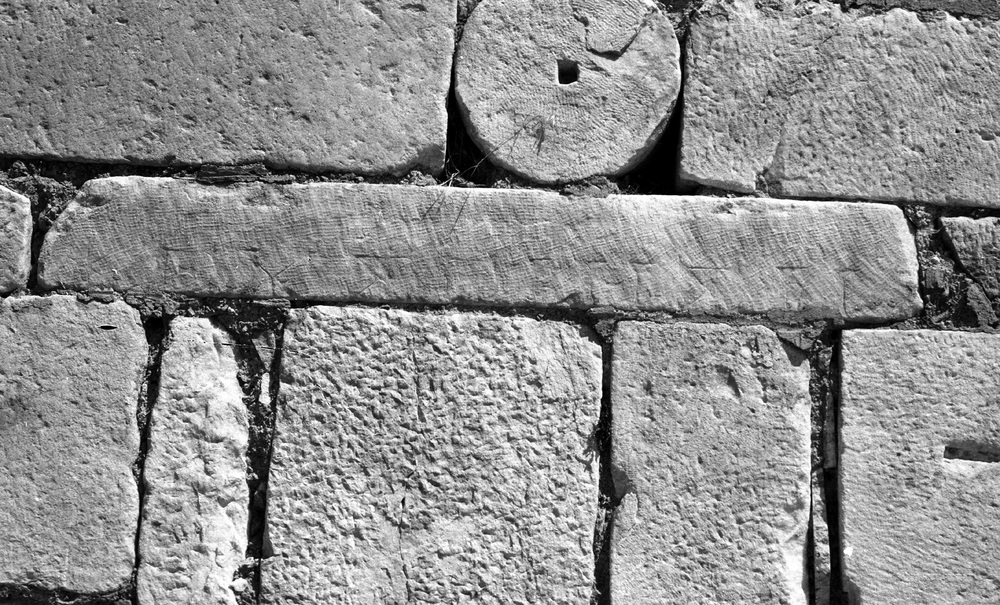
Fig. 1. Fragment a. (Mossman Roueché, 1977)
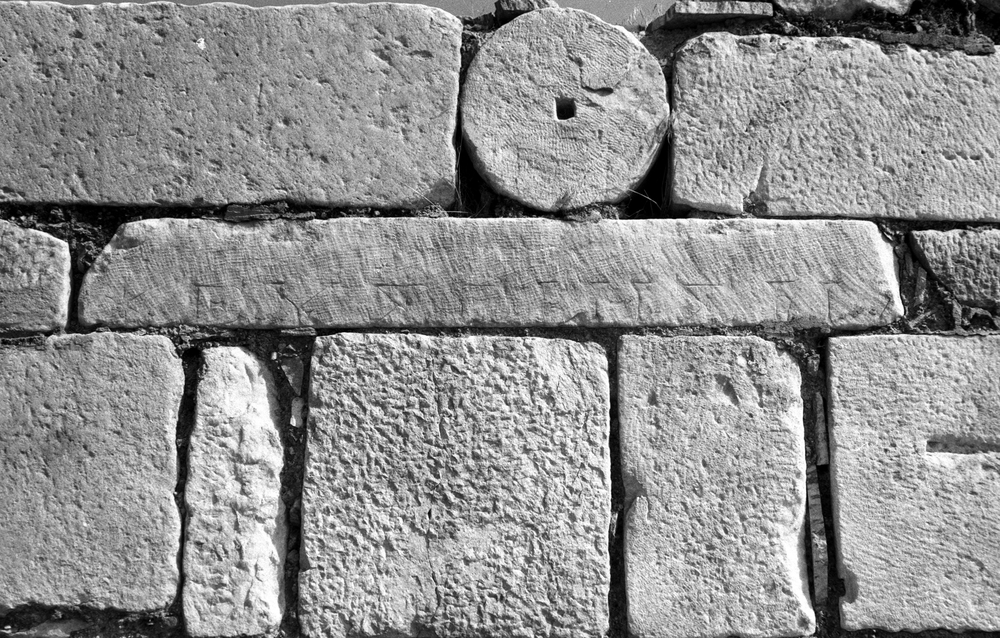
Fig. 2. Fragment a. (Mossman Roueché, 1981)
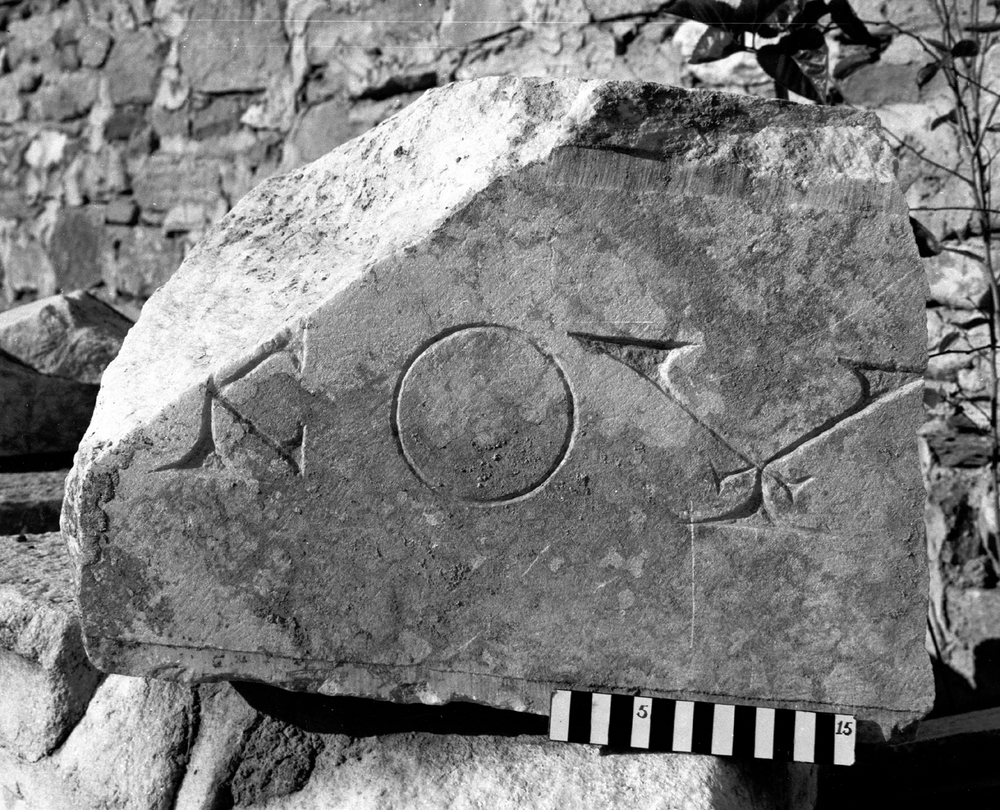
Fig. 3. Fragment b. (Mossman Roueché, 1978)
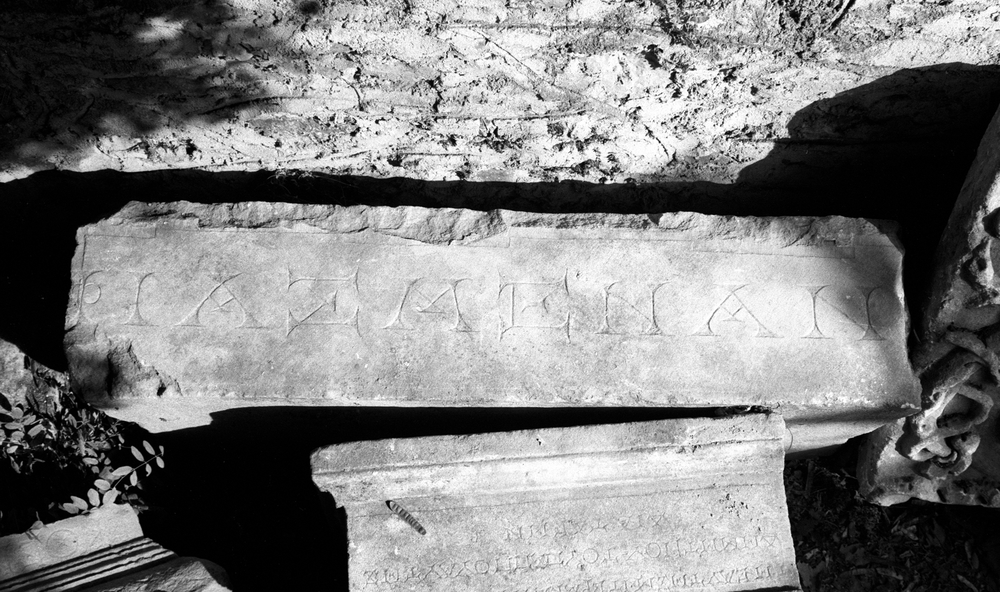
Fig. 4. Fragment c. (Mossman Roueché, 1981)
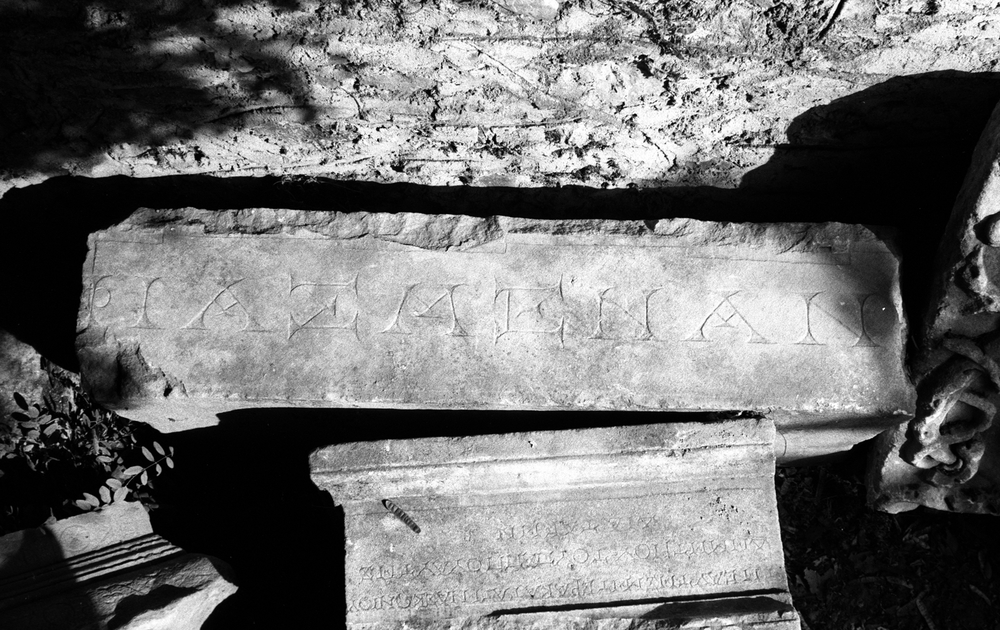
Fig. 5. Fragment c. (Mossman Roueché, 1981)
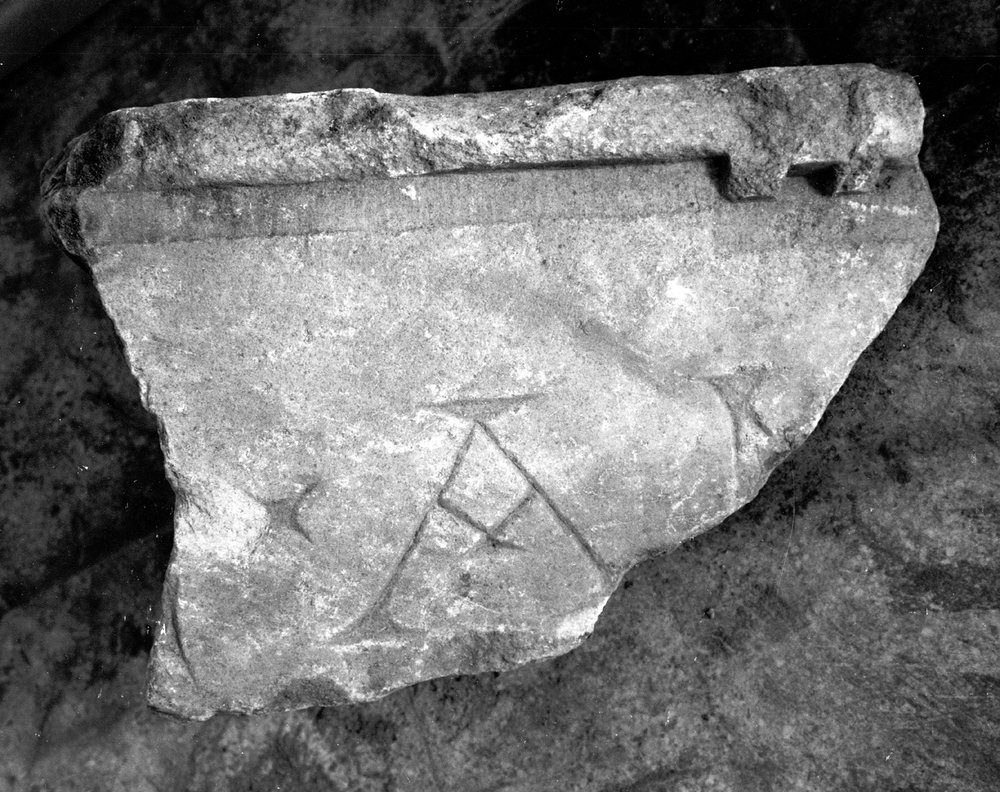
Fig. 6. Fragment c. (Mossman Roueché, 1978)
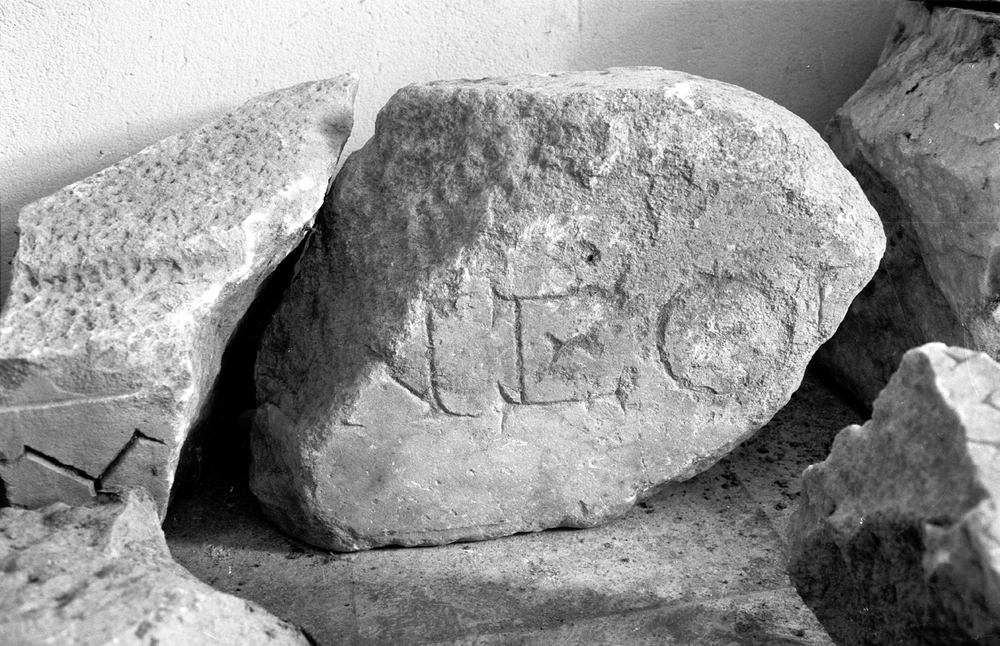
Fig. 7. Fragment c. (Mossman Roueché, 1978)
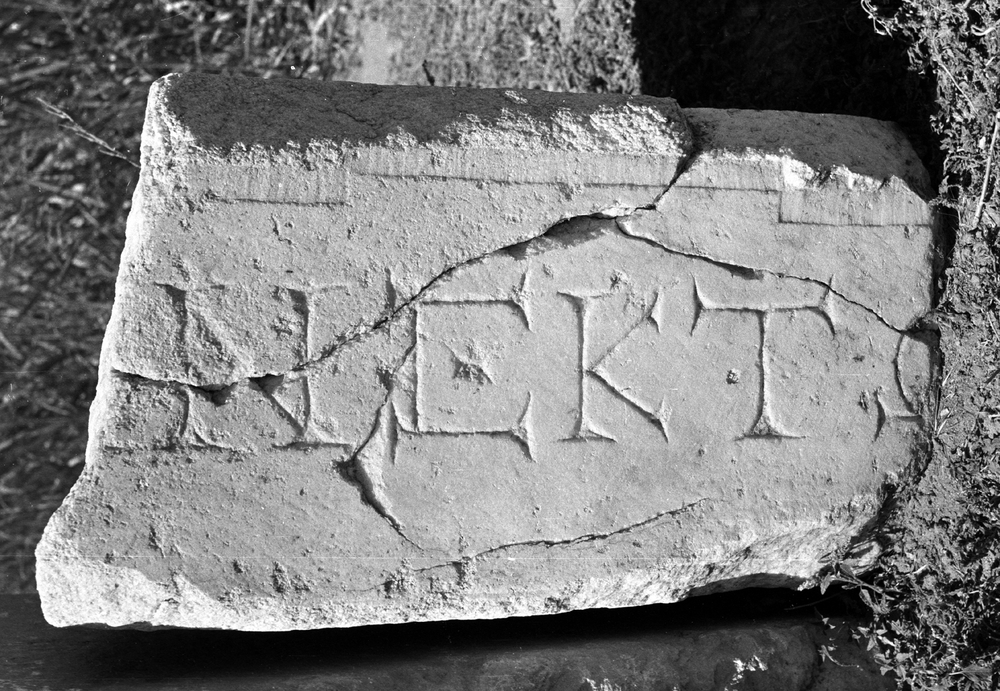
Fig. 8. Fragment c. (Mossman Roueché, 1977)
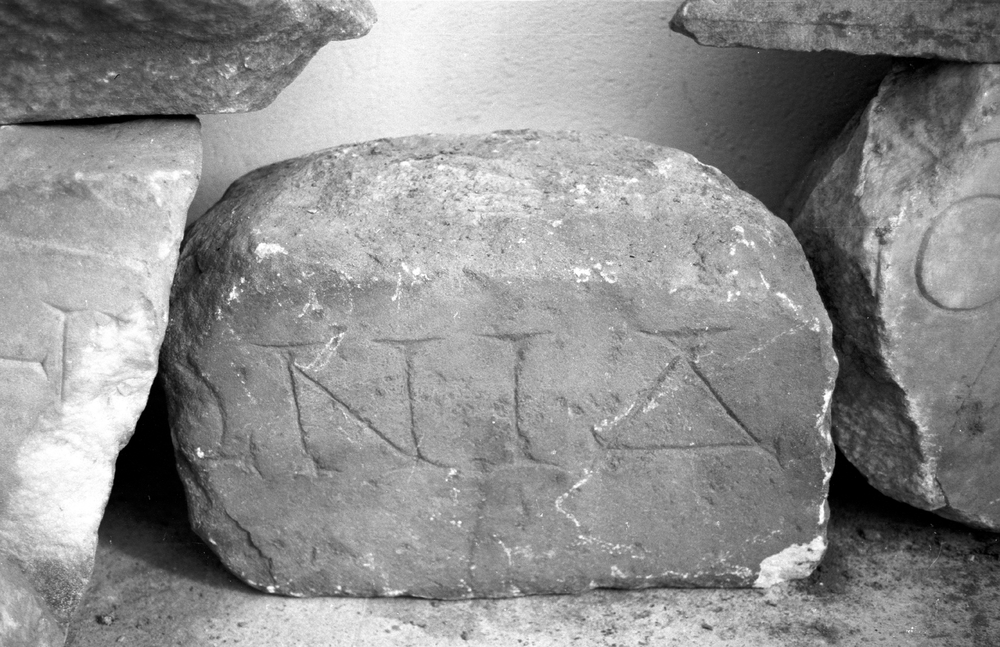
Fig. 9. Fragment d. (Mossman Roueché, 1978)
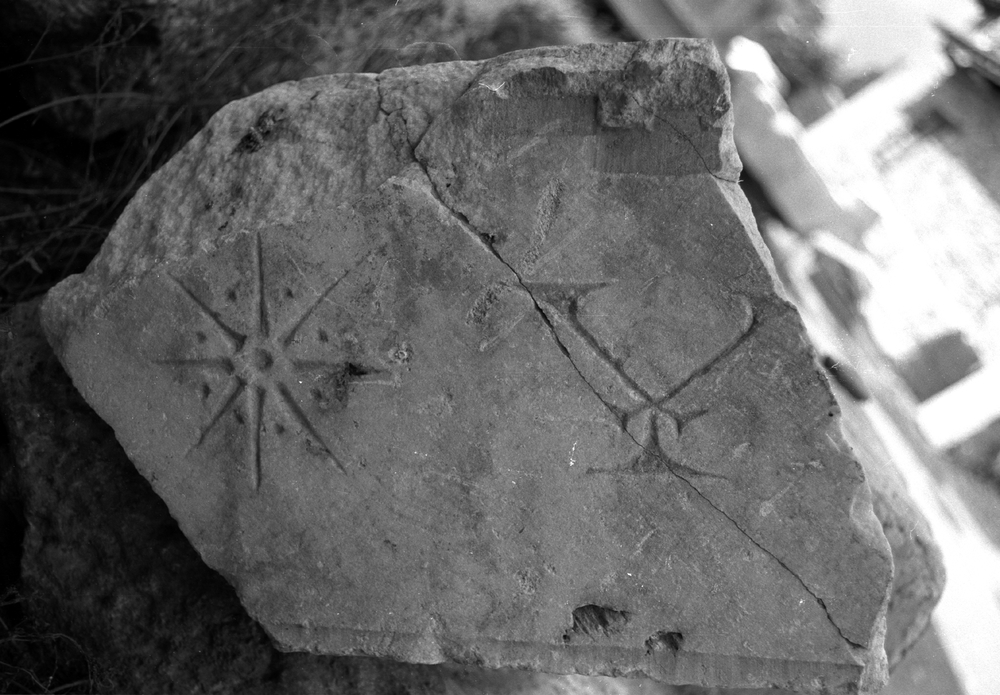
Fig. 10. Fragment d. (Mossman Roueché, 1978)
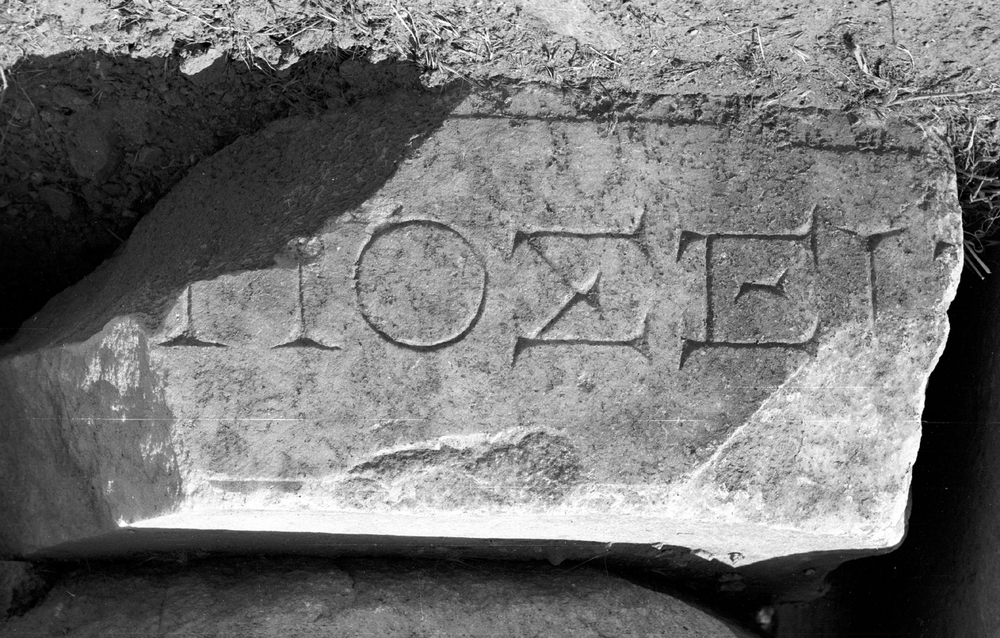
Fig. 11. Fragment d. (Mossman Roueché, 1977)
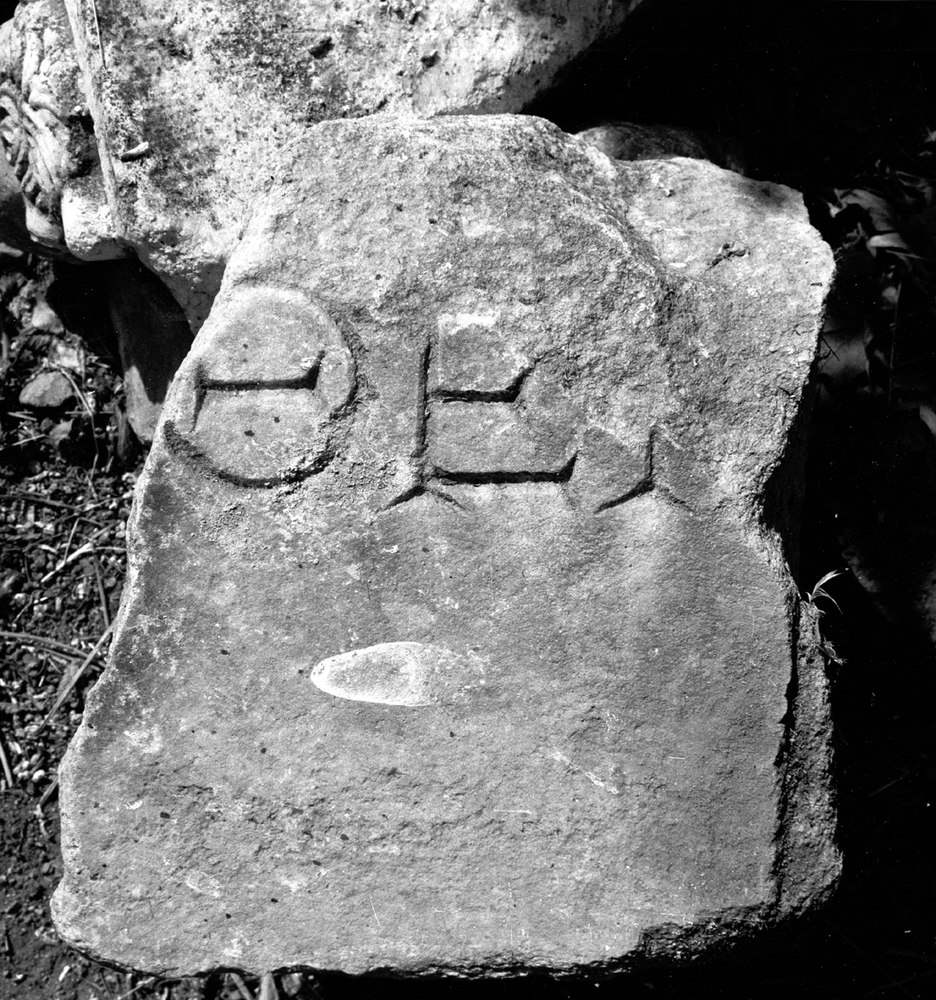
Fig. 12. Fragment d. (Mossman Roueché, 1978)
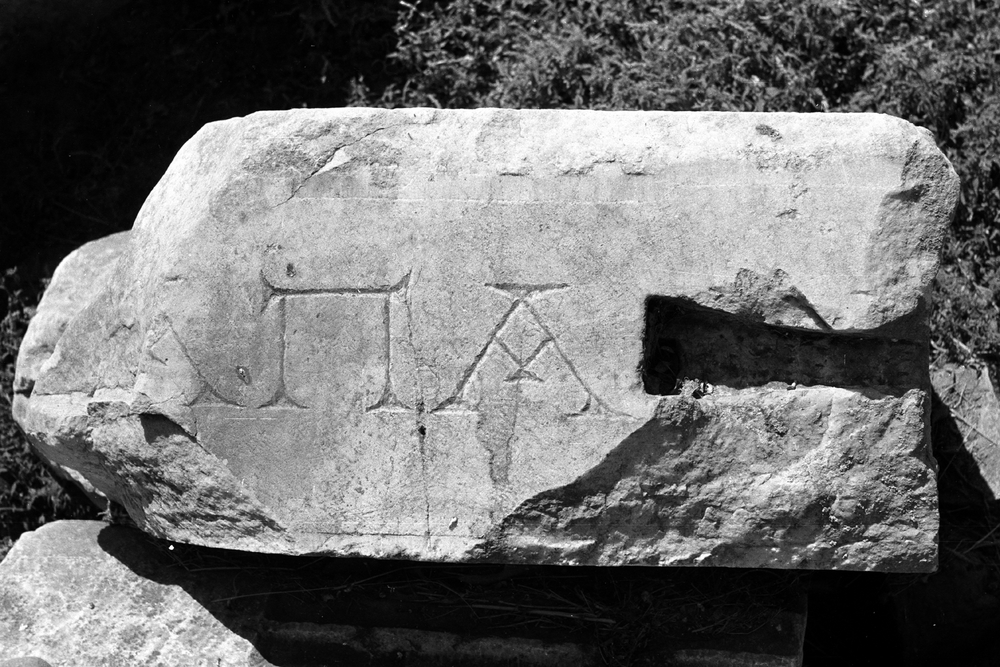
Fig. 13. Fragment e. (Mossman Roueché, 1977)
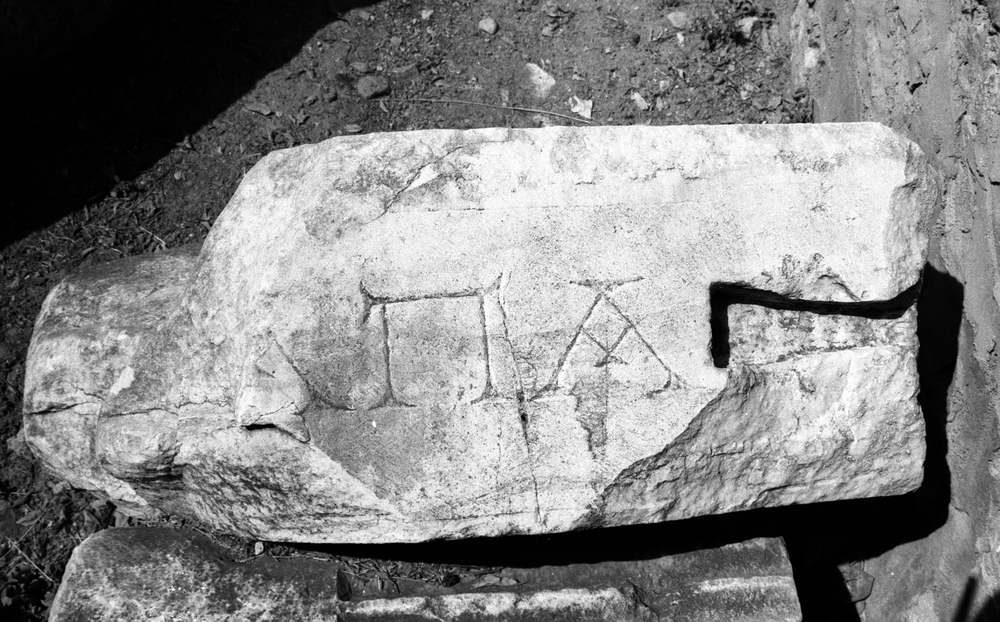
Fig. 14. Fragment e. (Mossman Roueché, 1981)
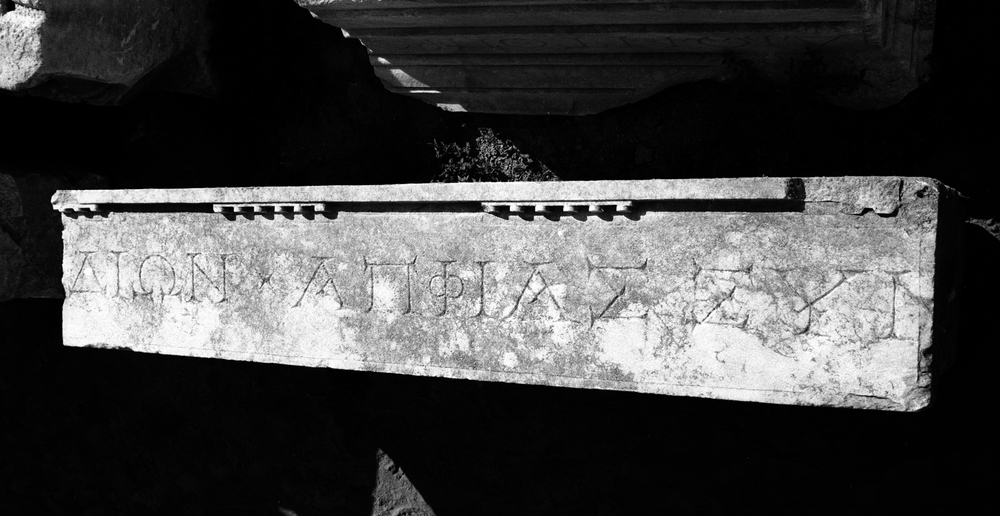
Fig. 15. Fragment f. (Mossman Roueché, 1981)
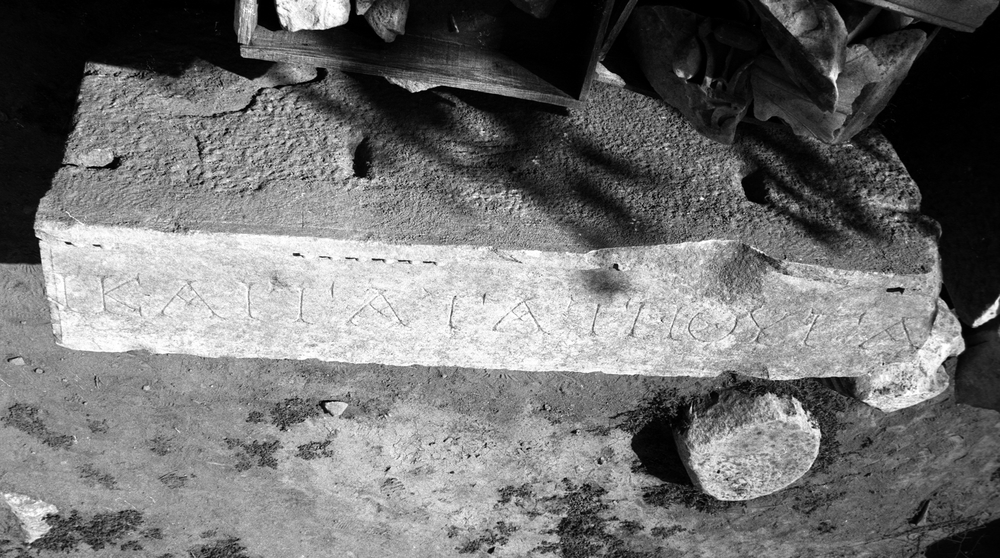
Fig. 16. Fragment g. (Mossman Roueché, 1981)
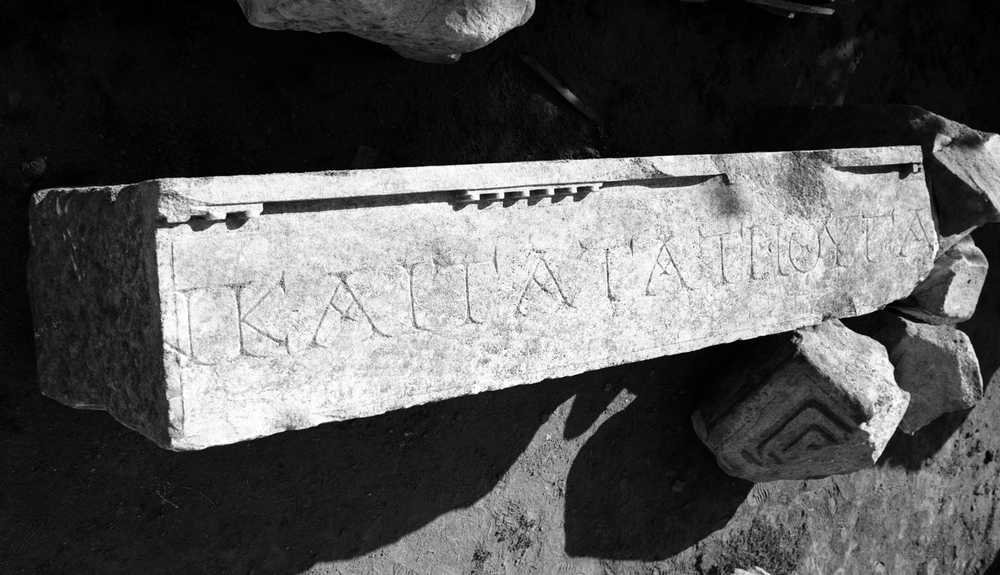
Fig. 17. Fragment g. (Mossman Roueché, 1981)
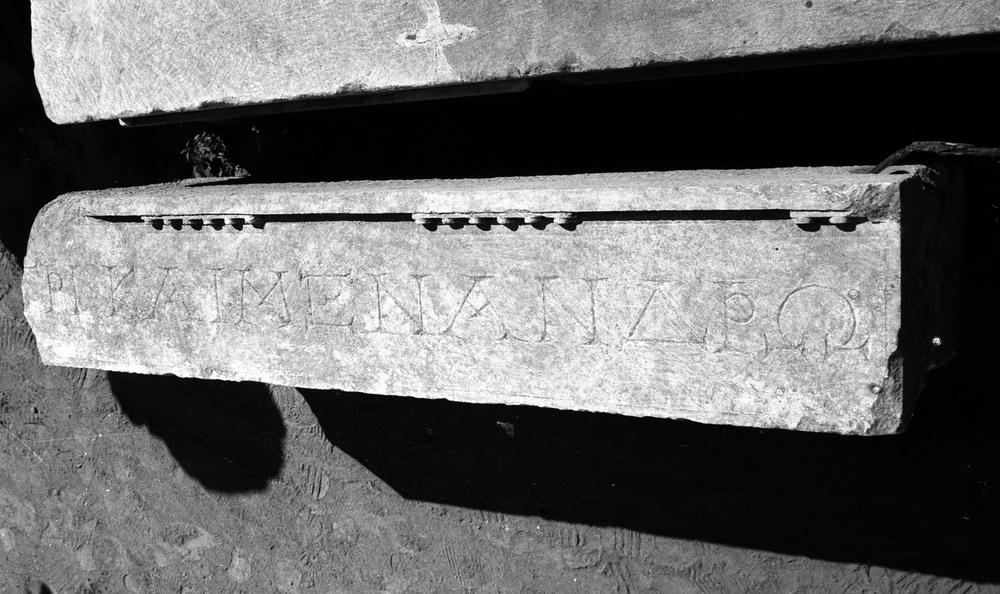
Fig. 18. Fragment h. (Mossman Roueché, 1981)
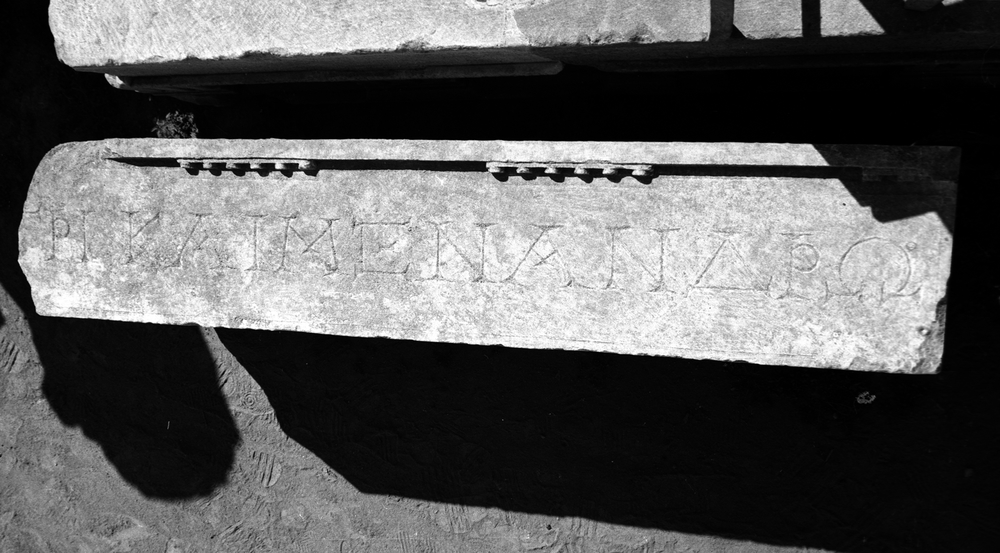
Fig. 19. Fragment h. (Mossman Roueché, 1981)
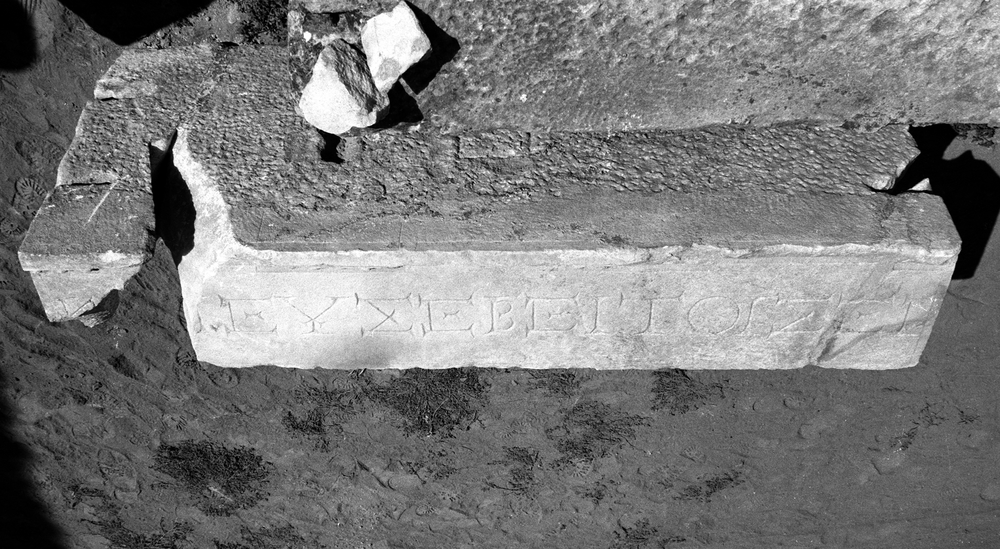
Fig. 20. Fragment i. (Mossman Roueché, 1981)
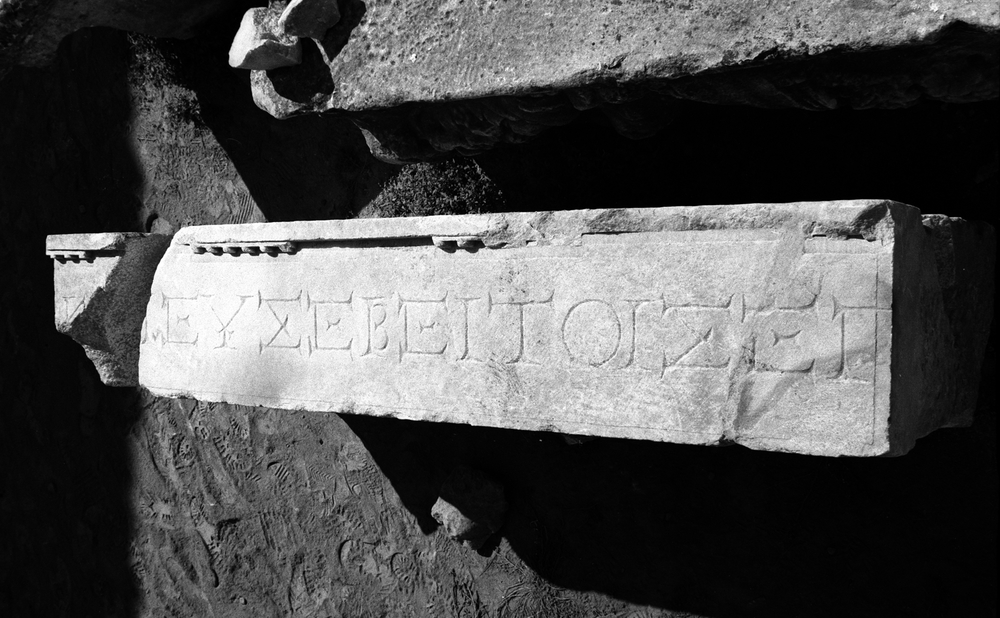
Fig. 21. Fragment i. (Mossman Roueché, 1981)
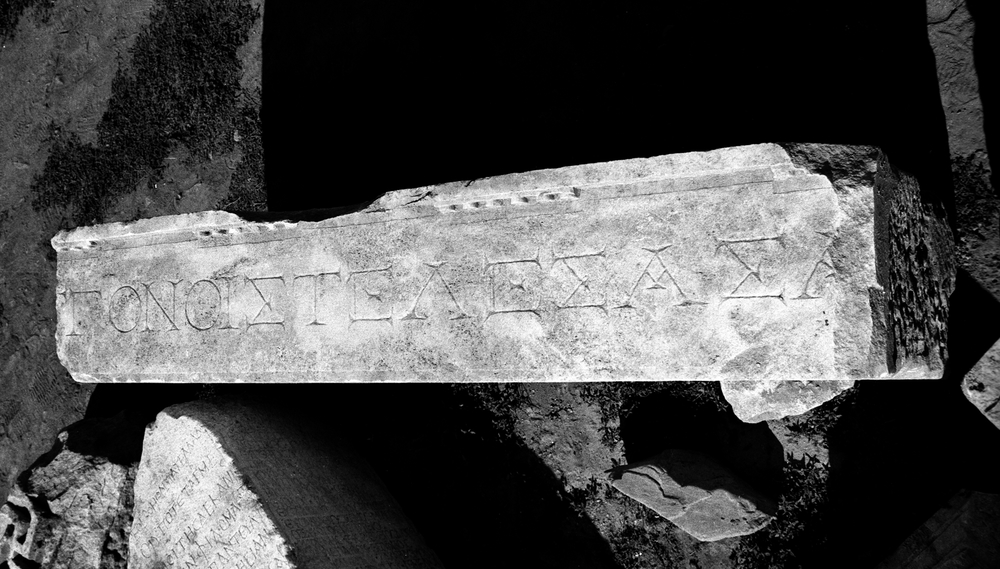
Fig. 22. Fragment j. (Mossman Roueché, 1981)
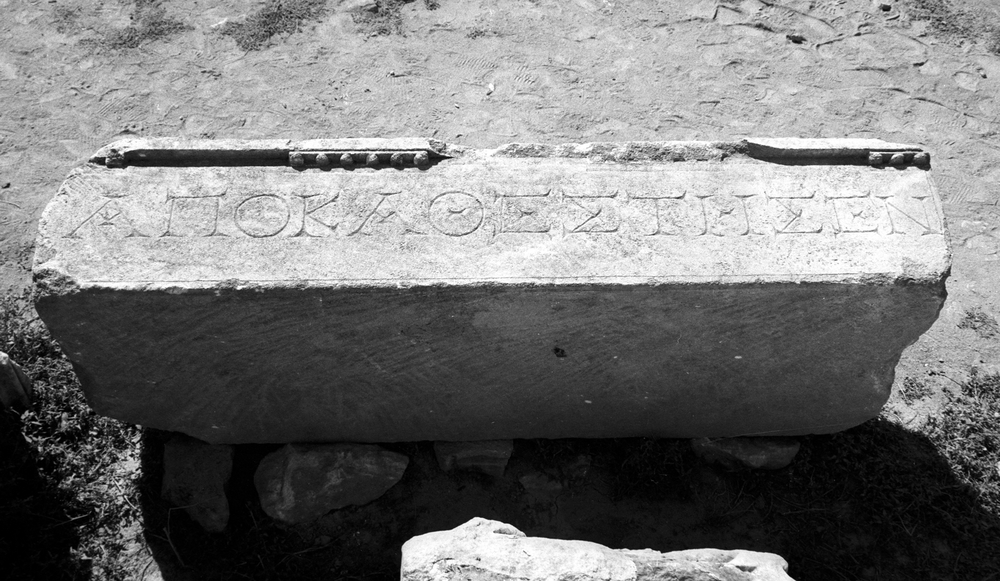
Fig. 23. Fragment k. (Mossman Roueché, 1981)
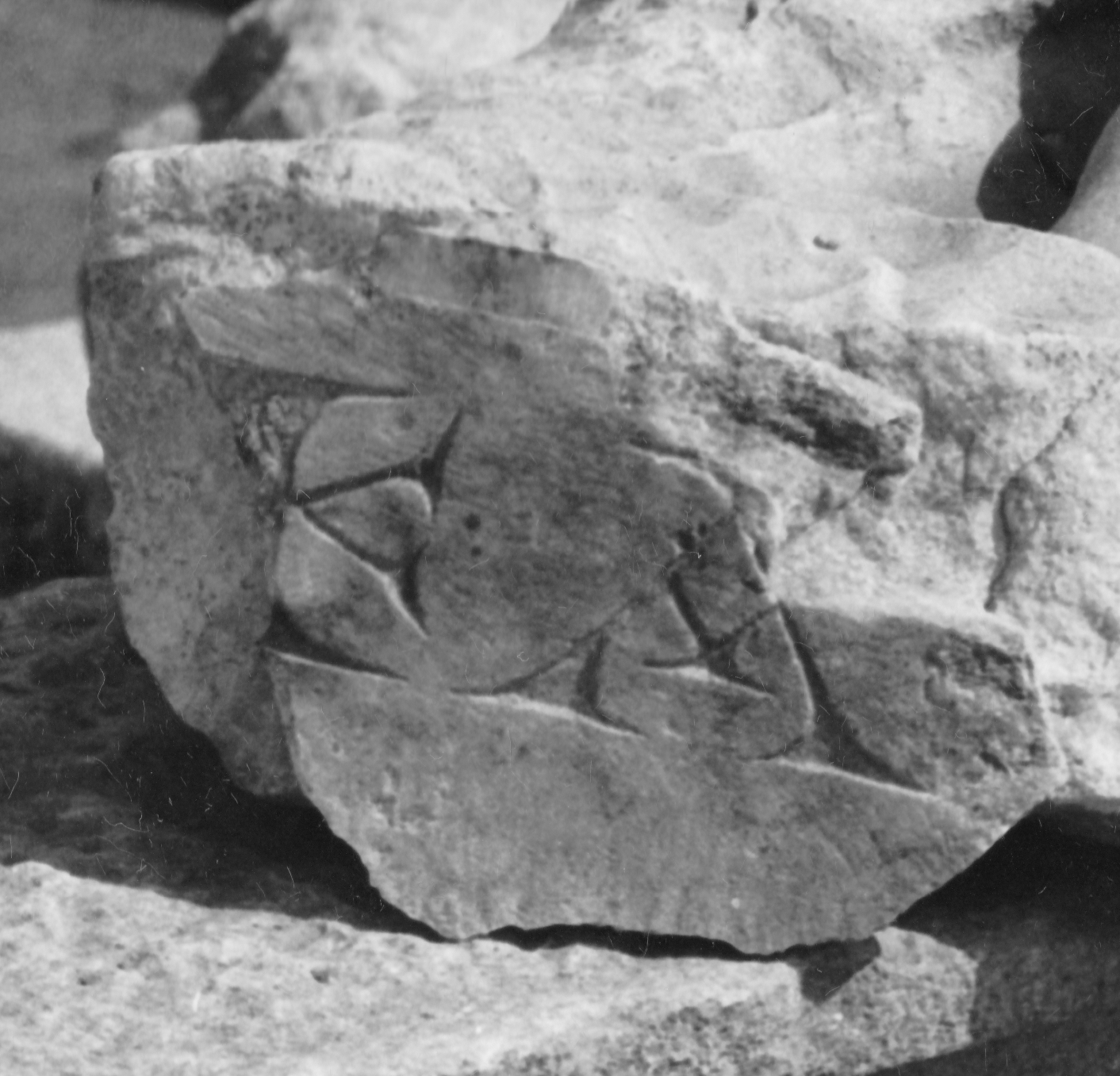
Fig. 24. Fragment l. (Reynolds, 1982)