A
B
C and D
E
F
G
H
I
J
K
L
M
n
o
p
B
C and D
E
F
G
H
I
J
K
L
M
n
o
p
Description: Fourteen fragments from blocks of a white marble architrave, with a simple moulding above and three fasciae. When complete, average height 0.495, 0.765 a & b. two adjoining fragments, with upper and lower edges surviving. (a: left edge survives, w: 1.02 × h: 0.51 × d: 0.69; b: w: 1.08 × h: 0.515 × d: 0.73). c. complete block (w: 1.73 × h: 0.48 × d: 0.69); . Fragments:d. without edges (w: 0.38 × h: 0.31 × d: 0.31); e. with upper moulding surviving, no other edges. f. without edges (w: 0.41 × h: 0.22 × d: 0.20);g. with upper moulding and right edge (w: 0.09 × h: 0.31 × d: 0.32); h. without edges (w: 0.30 × h: 0.20 × d: 0.23); i. with right edge (w: 0.50 × h: 0.30 × d: 0.45); k. without edges (w: 0.27 × h: 0.25 × d: 0.08); l, complete to left (0.13, 0.385); m: broken at both ends (0.80, 0.13); n, complete to left; o: complete to left; p. complete to right (0.50, 1.03, 0.55).
Text: Inscribed on the upper of three fasciae, average 0.0145; there is a simple moulding above the upper fascia.
Letters: Later first to early second century CE, with noticeably broad and comparatively shallow trenches; 0.075-0.09, showing slight variations in cutting and shape from piece to piece, no doubt because several workmen wre employed
Date: Flavian 79-96 CE (probable, reign, architecture, lettering)
Findspot: Aphrodisias: a-k at various points during excavation of the eastern part of the Basilica; l and p 'Geyre, Südseite (Kubitschek); l, m, n and o beside the path along the south-west side of the Acropolis, quite close to the martyrion. During cleaning operations in 2012 two more joining fragments forming a complete architrave were recorded (E); all from the East colonnade of the Long Hall.
Original location: Basilica
Last recorded location: Findspots
The previous publication (IAph2007) has been revised following Stinson, 2013, including a change of labels. A was l; B=a;
C=b; D=m; E is new; F=c; G=d; H=e; I=f; J=g; K=h; L=j; M is k. n, o and p were not republished.
a and b, perhaps Ti]tus Caesar Augustus [ . . .
c. Pauleina daughter or wife of ?Hierokles
Recorded: Kubitschek, June 1893, K.III.26 (l and p); New York University expedition, a-k excavated in 1977 and 1978 (Portico 11); l, m, n and o recorded separately.
Publication: l and p: Cormack, 1964 12 ; m: Chaniotis, 2004 14, whence SEG 54.1038, AE 2004.1451; all fragments IAph2007 6.2; Reynolds, 2008a 1, whence SEG 58.1153; Stinson, 2016 Doc.1, whence SEG 67.712, AE 2016.1650
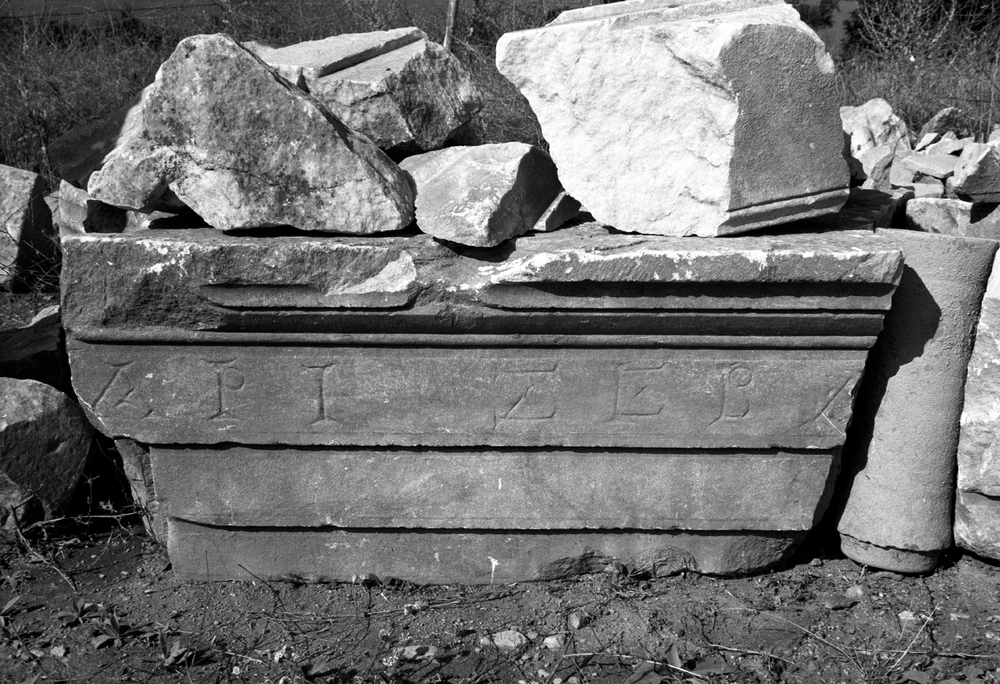
Fig. 1. Fragment B (Mossman Roueché, 1978)
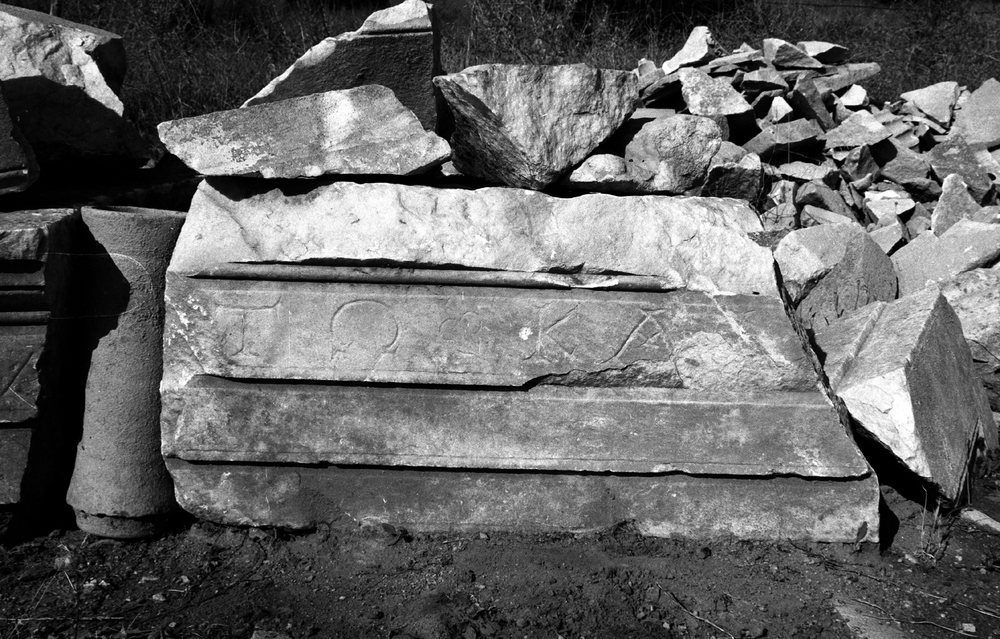
Fig. 2. Fragment C (Mossman Roueché, 1978)
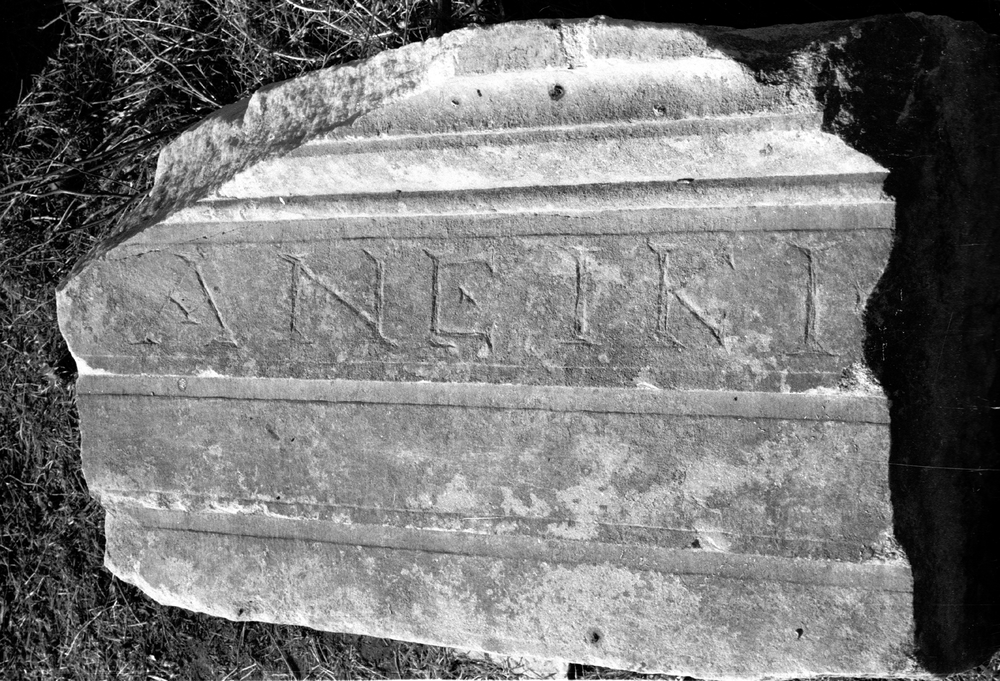
Fig. 3. Fragment D (Mossman Roueché, 1973)
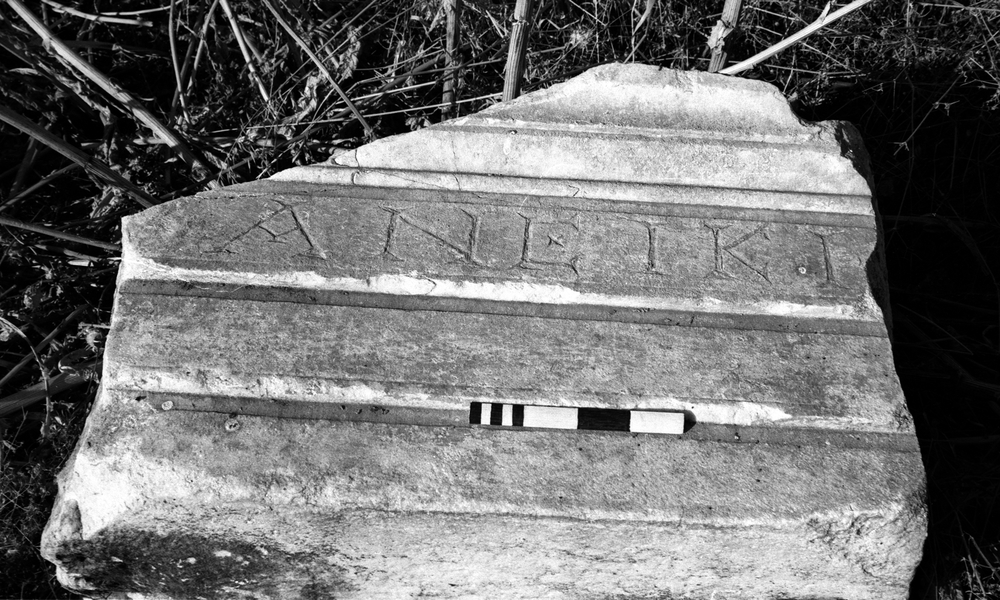
Fig. 4. Fragment D (Mossman Roueché, 1980)
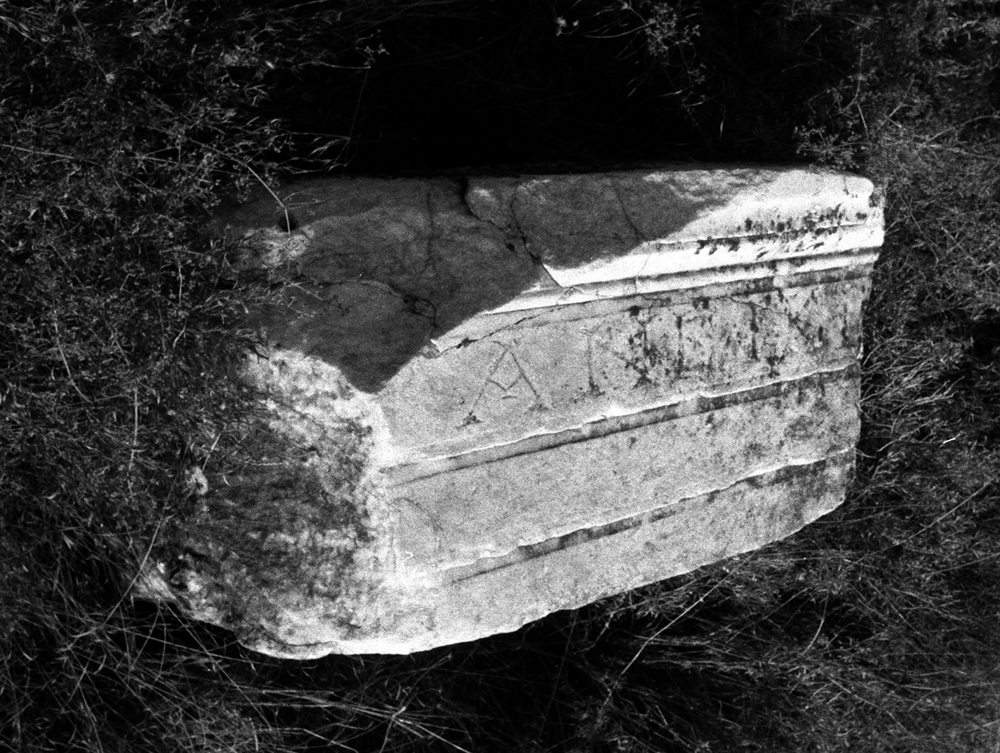
Fig. 5. Fragment D (Mossman Roueché, 2001)
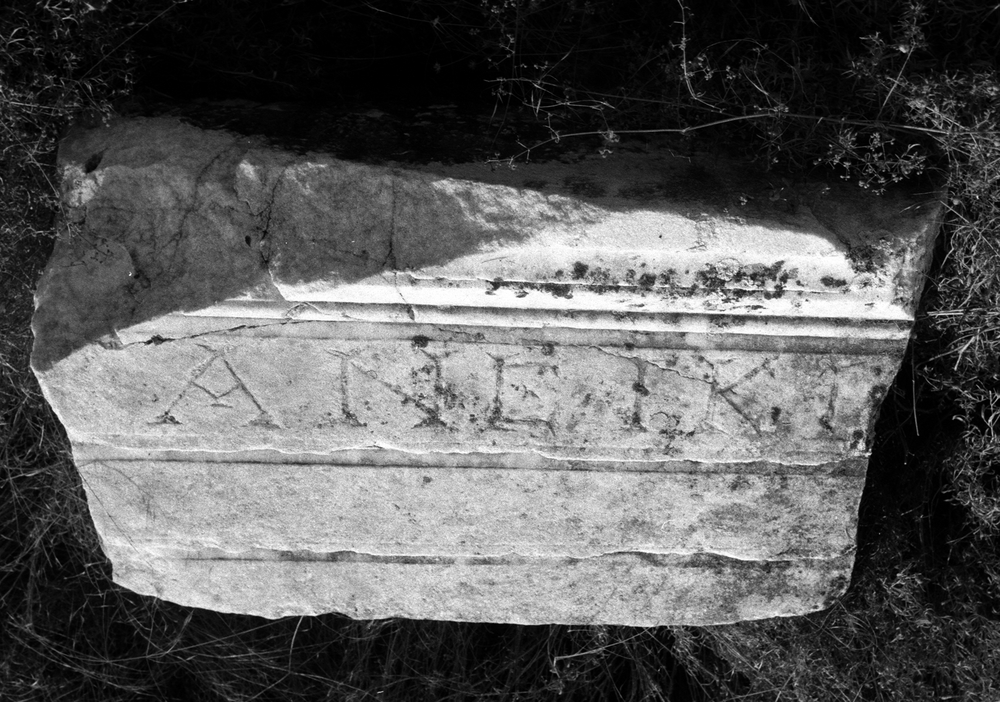
Fig. 6. Fragment D (Mossman Roueché, 2001)
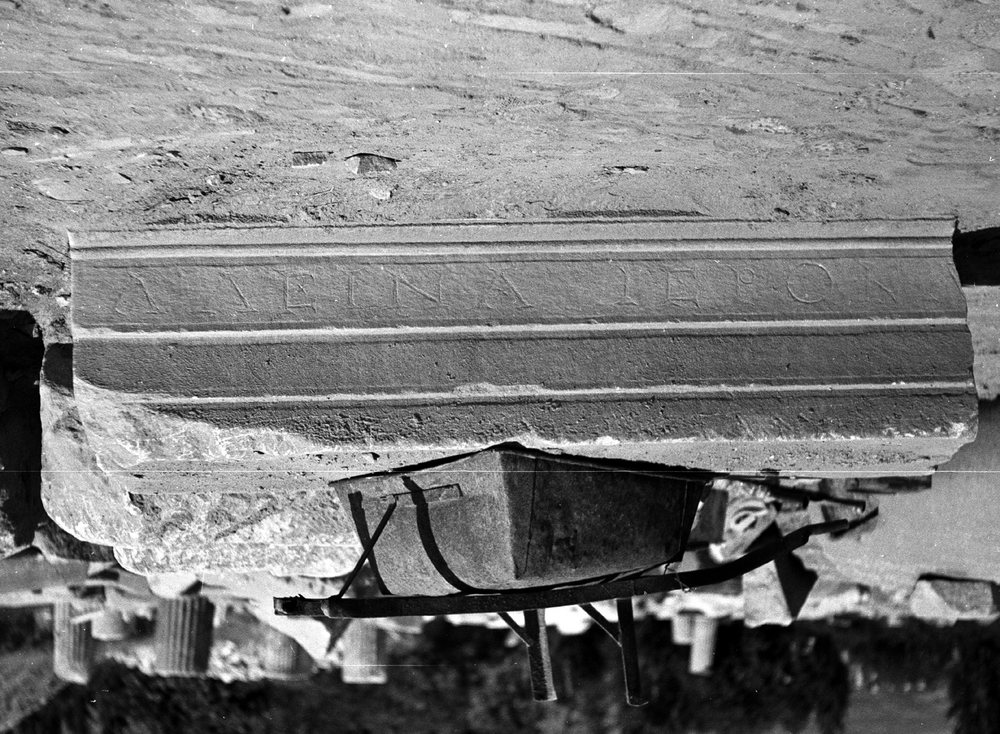
Fig. 7. Fragment F (Mossman Roueché, 1977)
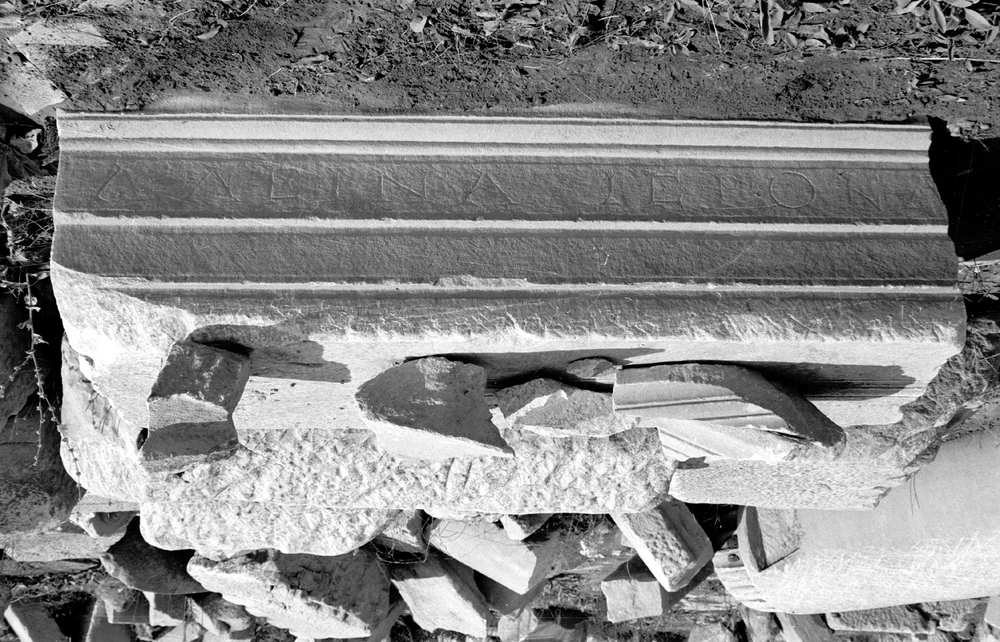
Fig. 8. Fragment F (Mossman Roueché, 1978)
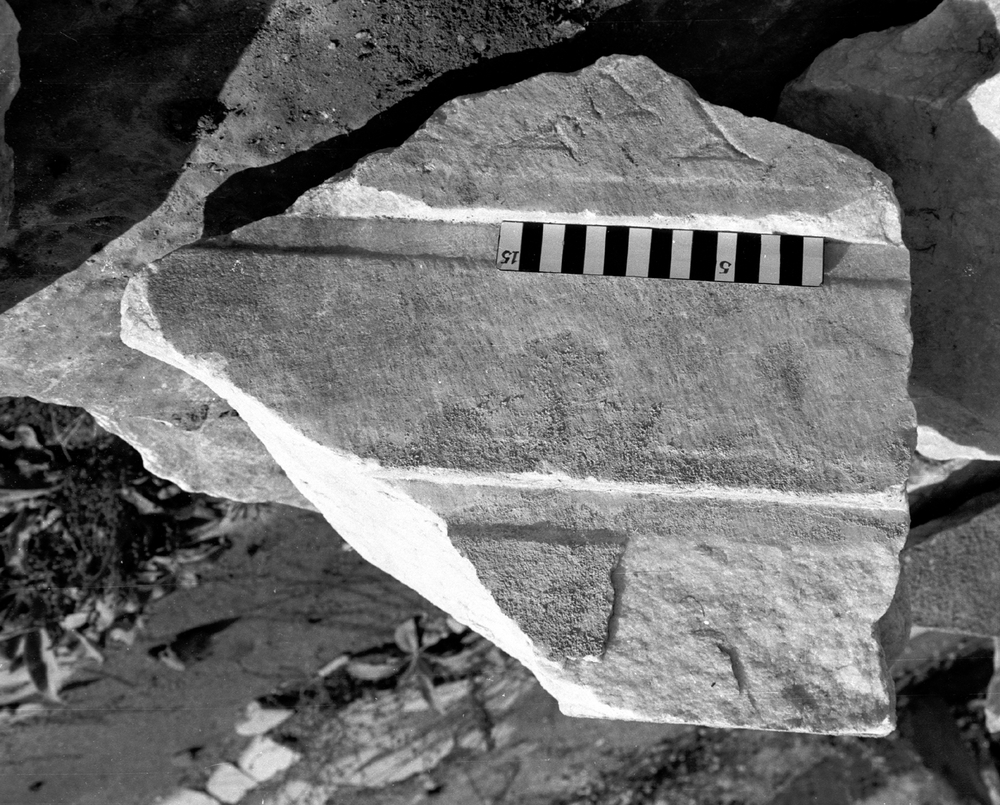
Fig. 9. Fragment G (Mossman Roueché, 1978)
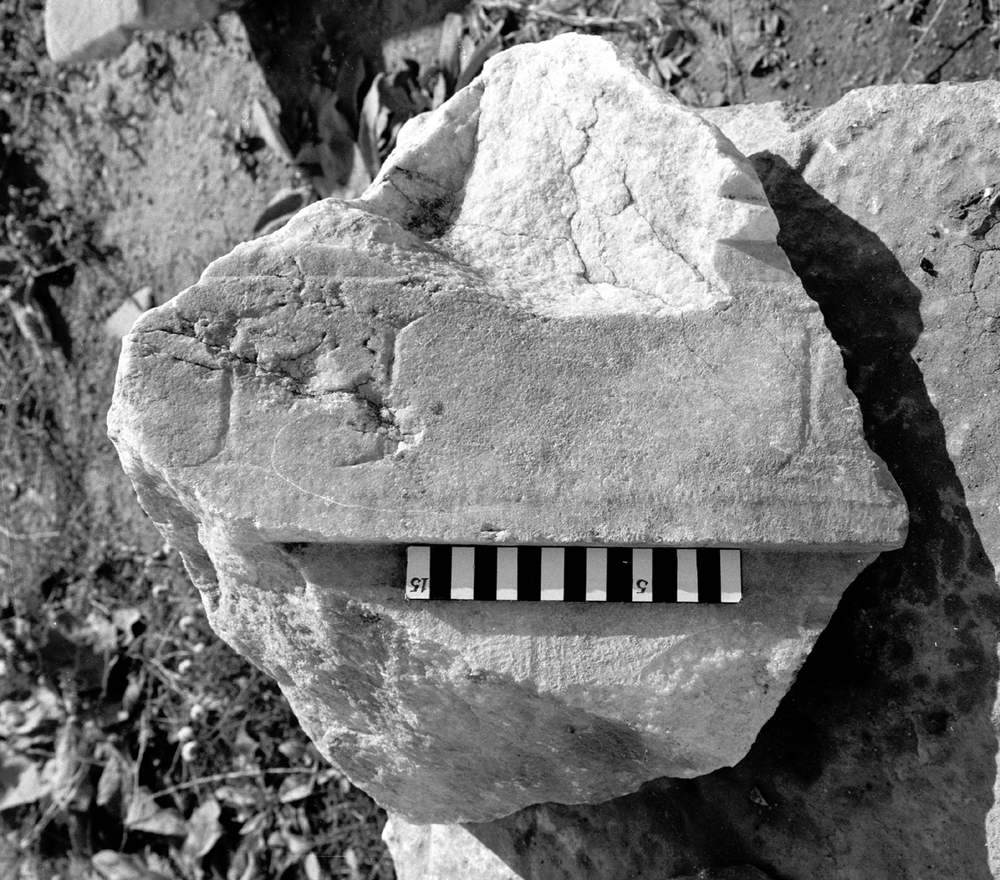
Fig. 10. Fragment H (Mossman Roueché, 1978)
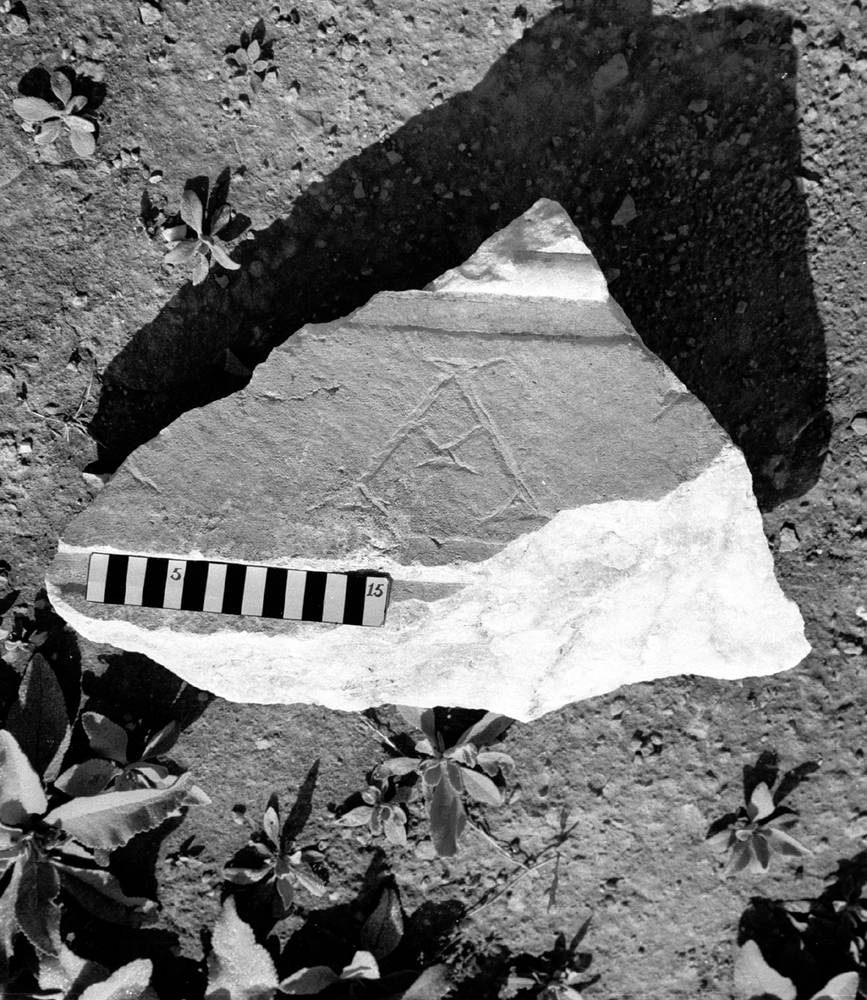
Fig. 11. Fragment I (Mossman Roueché, 1978)
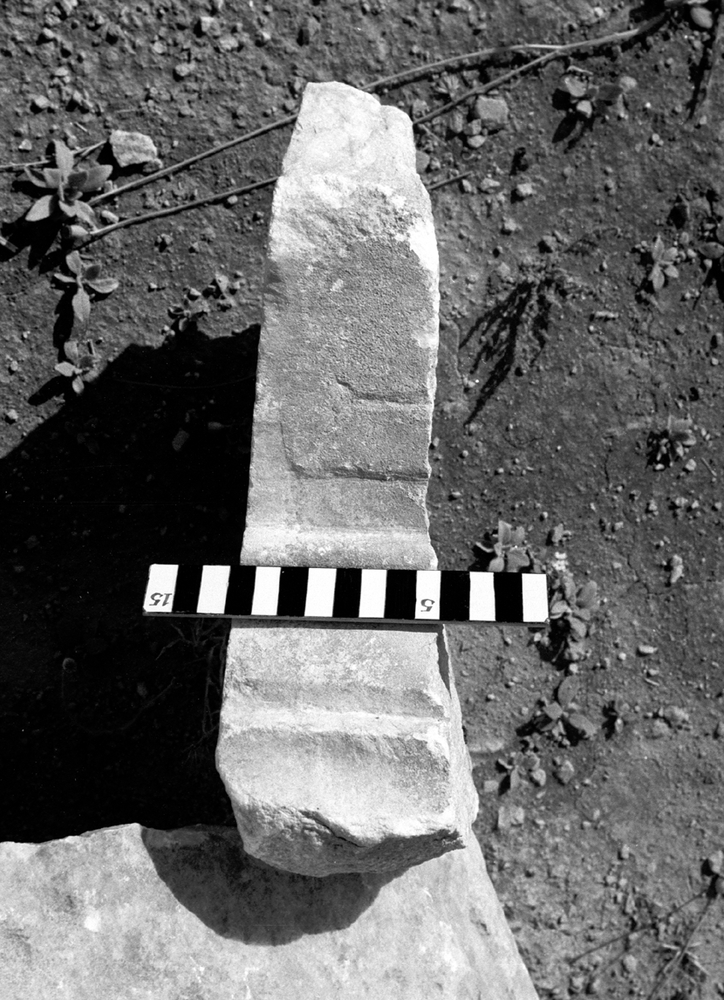
Fig. 12. Fragment J (Mossman Roueché, 1978)
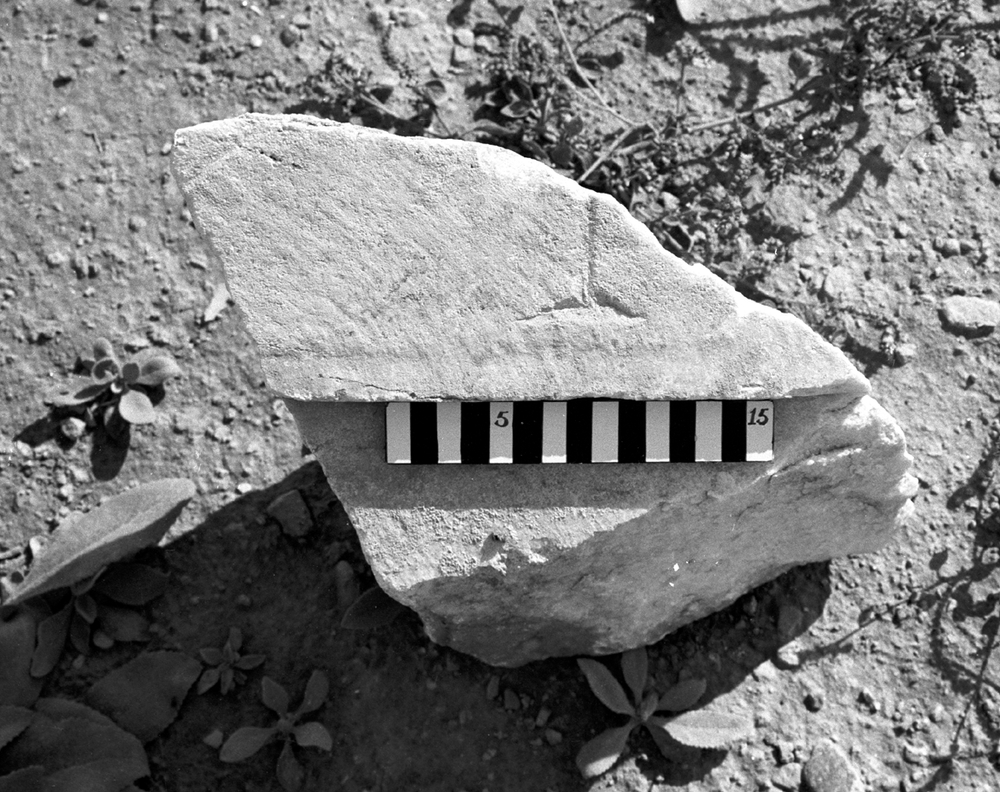
Fig. 13. Fragment K (Mossman Roueché, 1978)
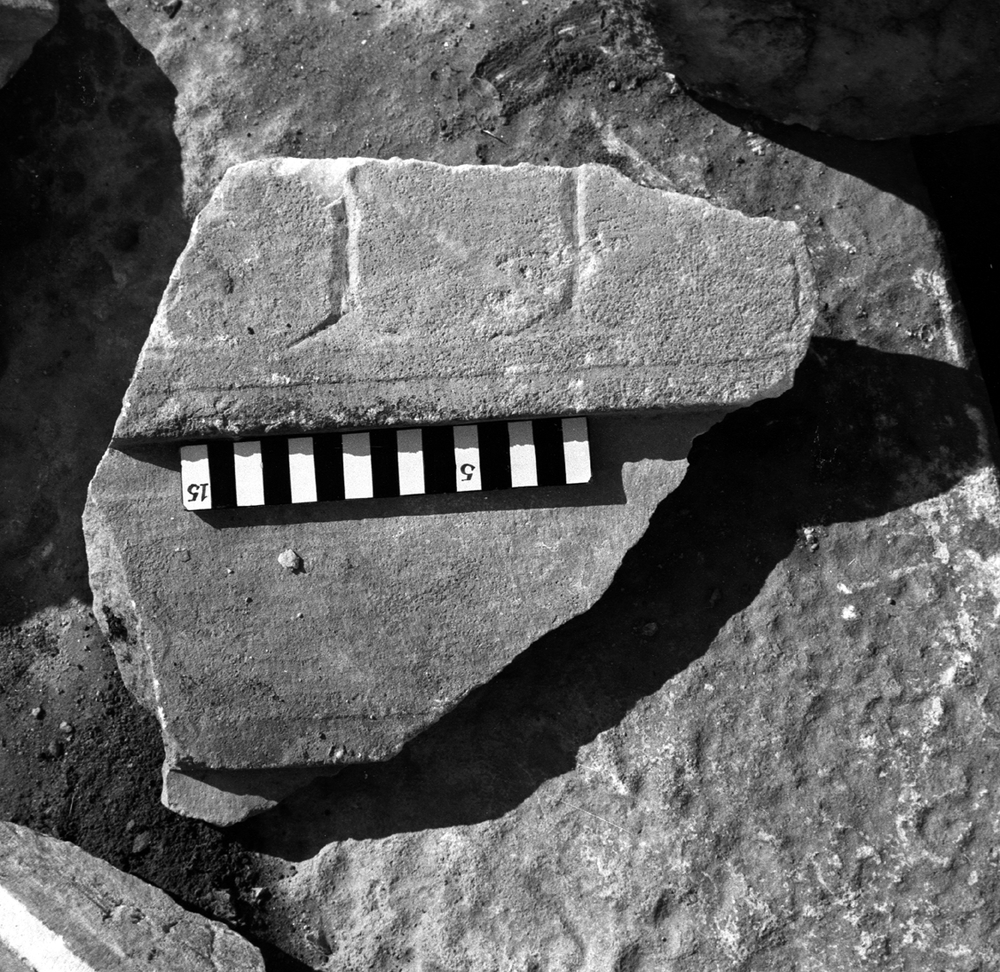
Fig. 14. Fragment M (Mossman Roueché, 1978)
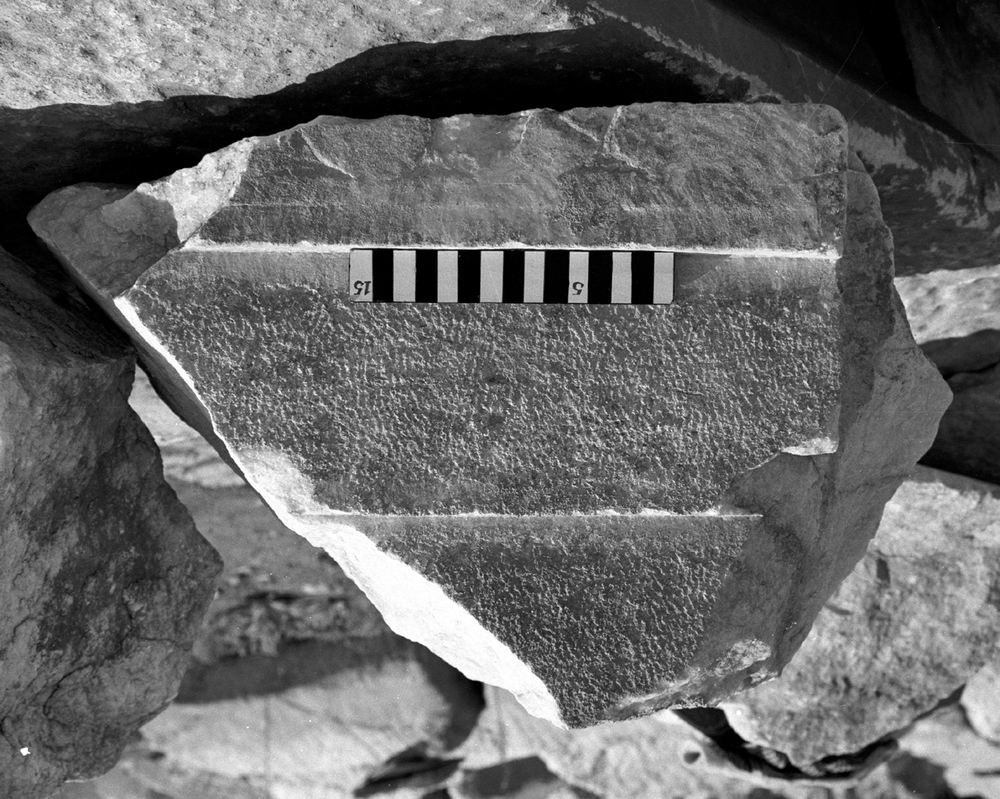
Fig. 15. Fragment L (Mossman Roueché, 1978)
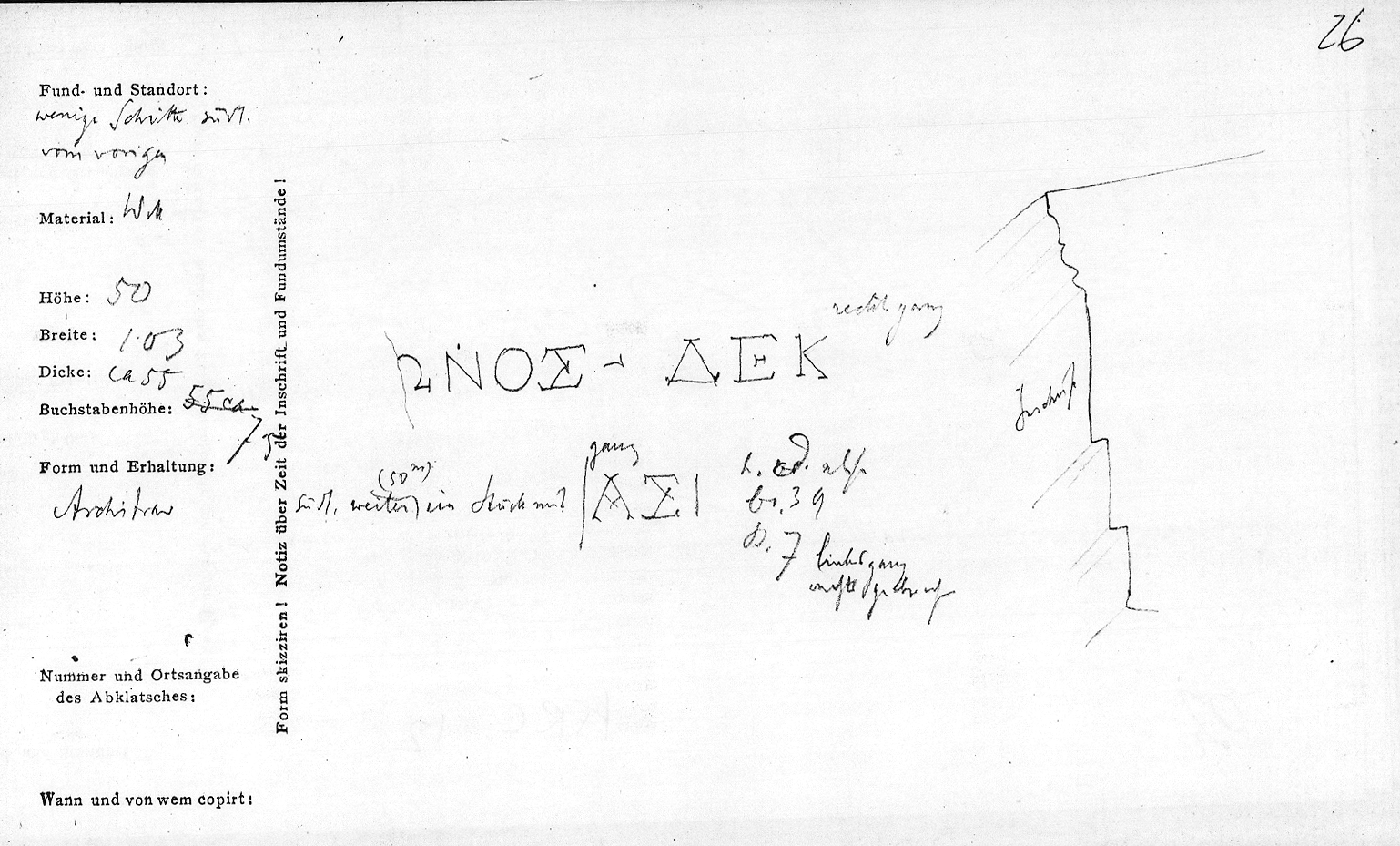
Fig. 16. A and p: Kubitschek notebook III.26