Description: White marble architrave blocks with decoration, above, of scrolls in relief between bands of egg and dart moulding; below, two fasciae. The inscription has been erased on all blocks except b, and several others which were inscribed, are not now legible; some of the blocks were also recut for re-use. b: Temenos A 12, w: 2.50 × h: 0.64 visible x depth not measurable; f: Temenos A 11; e: Temenos A 11, left end survives, broken at right, w: 0.84 × h: 0.61 × d: 0.50; f: Temenos A 5; g: Temenos A.1.
Text: Inscribed on the upper of two fasciae.
Letters: 0.09
Date: 117-138 CE (reign)
Findspot: Aphrodisias: Temple/Church: b reused in the north wall of Atrium; c excavated in 1993 at the NW side of the temple; other blocks lying loose.
Original location: ?In a gymnasium building
Last recorded location: Findspot (1978)
Translation
(abc): To the emperor Caesar Traianus Hadrianus Augustus [---]; (d): . . . ] the gymnasium of the Young Men and the [---]; (f): . . . ] son of Nikoteimos son of Artemidoros son of Zenon [---]; (g): . . . ] son of Menandros [---]
Bibliography
Recorded: New York University expedition Temple 6a, Temple 12 c: 93.74, I 93.I
Publication: Reynolds, 1990 39-40 (part); Doruk, 1990 73-74 (part) , whence SEG 40.946 , McCabe, PHI, 1996 114*5 ; complete, IAph2007 1.174.
Images
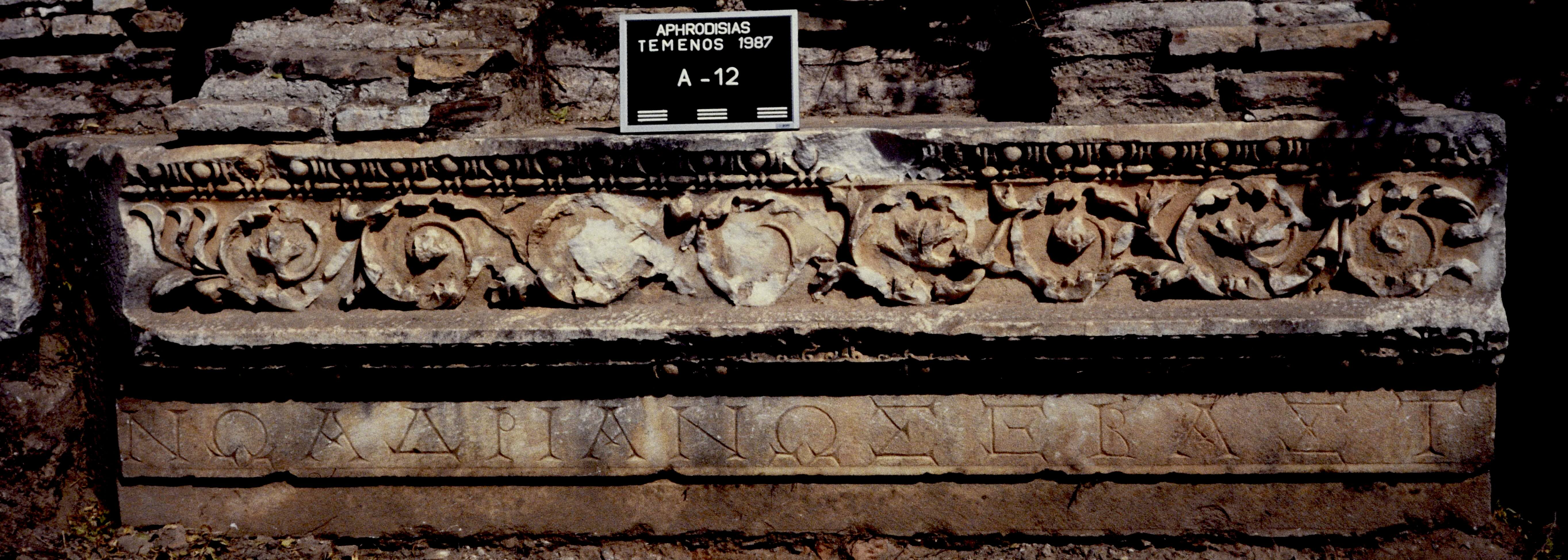
Fig. 1. Block b (Mehmet Ali Döğenci, 1993)
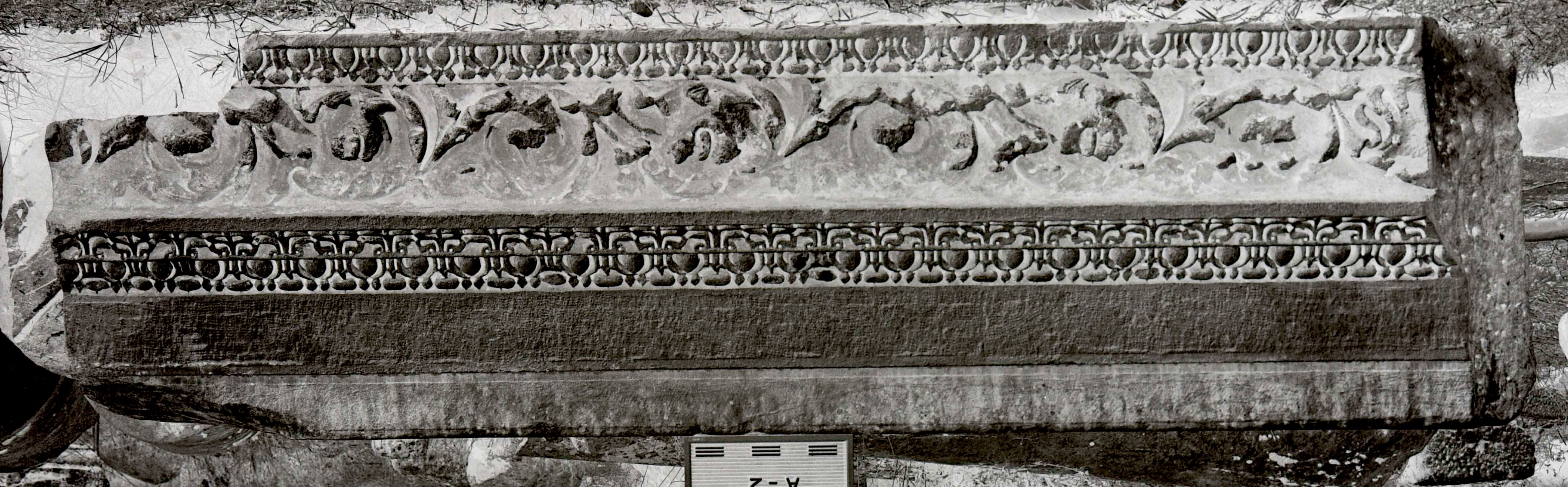
Fig. 2. Block d (Mehmet Ali Döğenci, 1993)
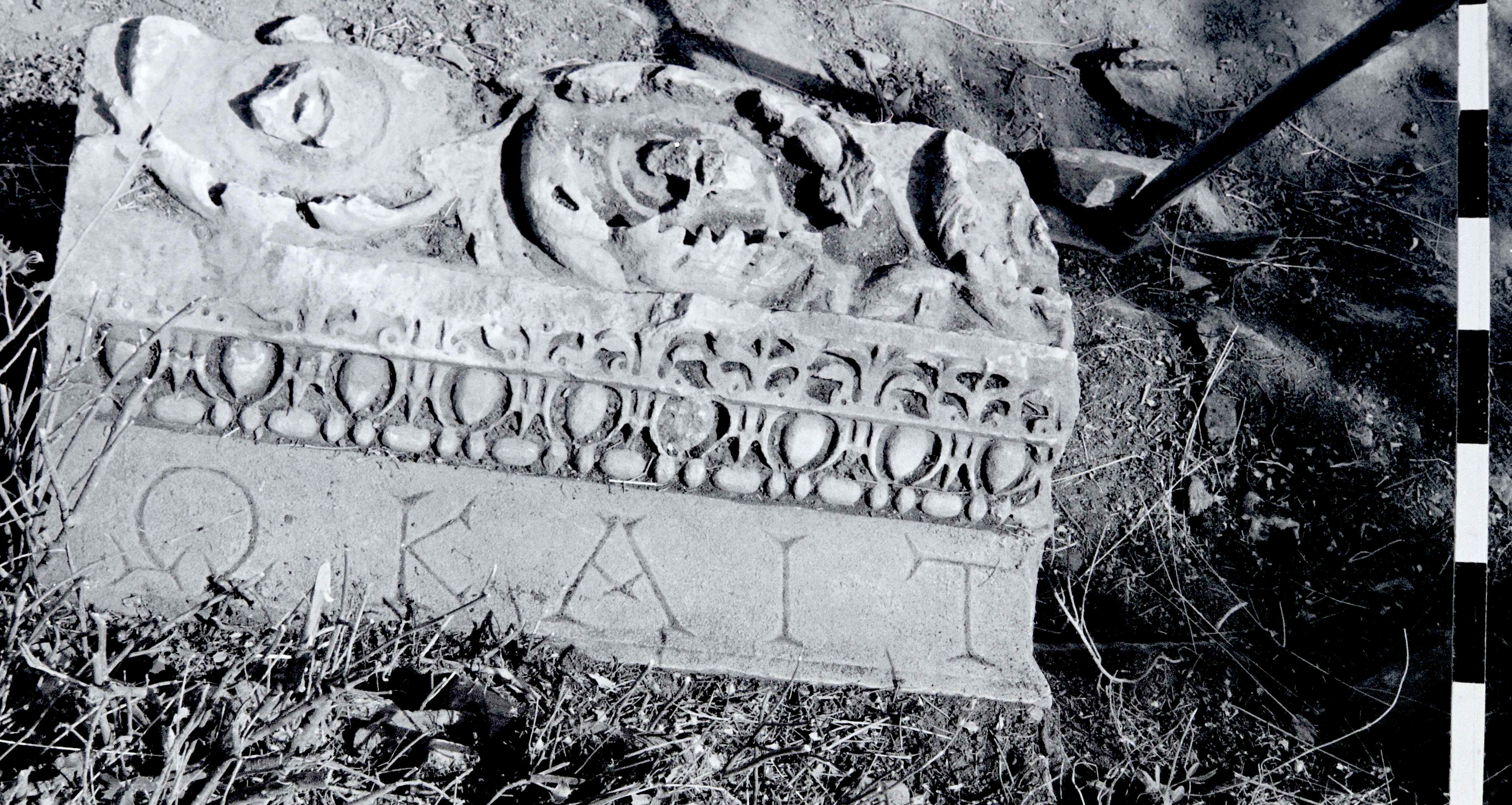
Fig. 3. Block c (Mehmet Ali Döğenci, 1993)
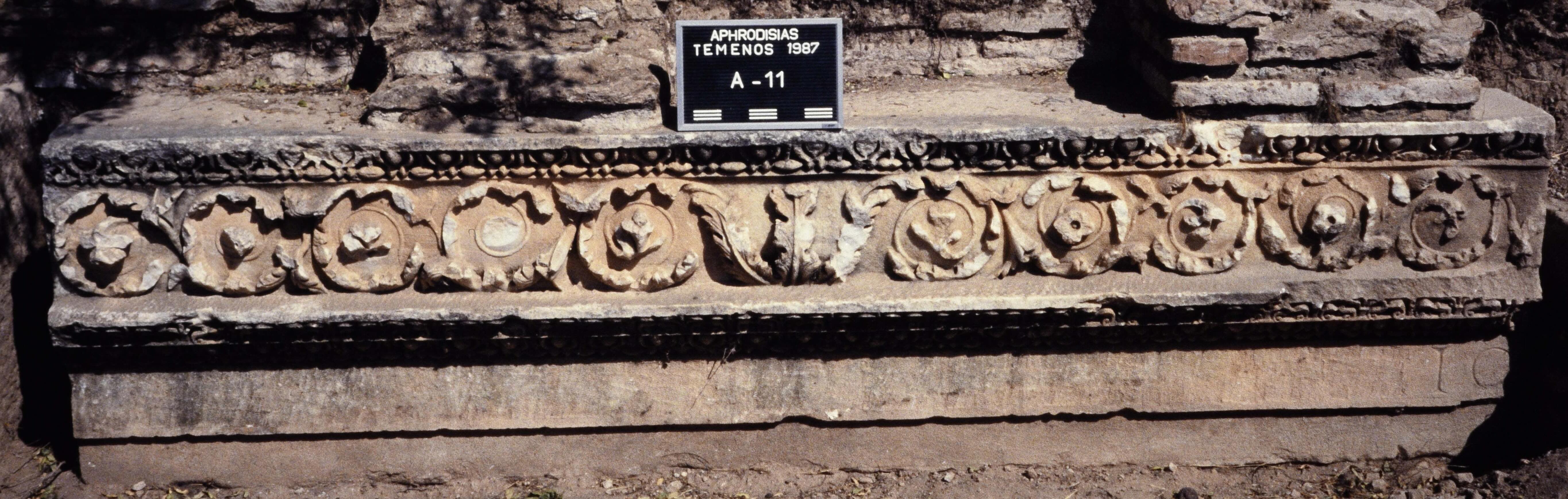
Fig. 4. Block e (Mehmet Ali Döğenci, 1987)
Fig. 5. Block e (Mehmet Ali Döğenci, 1987)
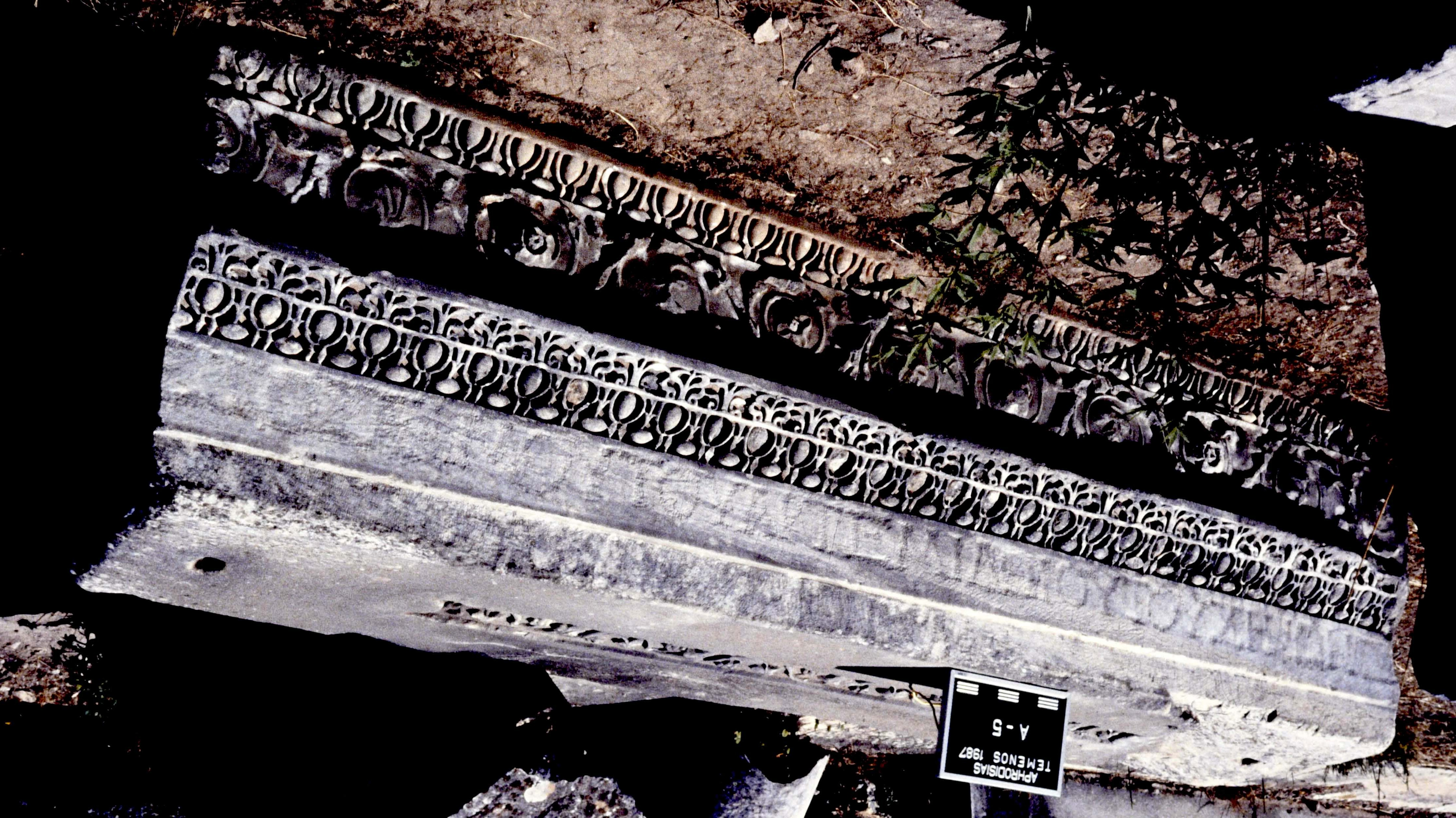
Fig. 6. Block f (Mehmet Ali Döğenci, 1987)
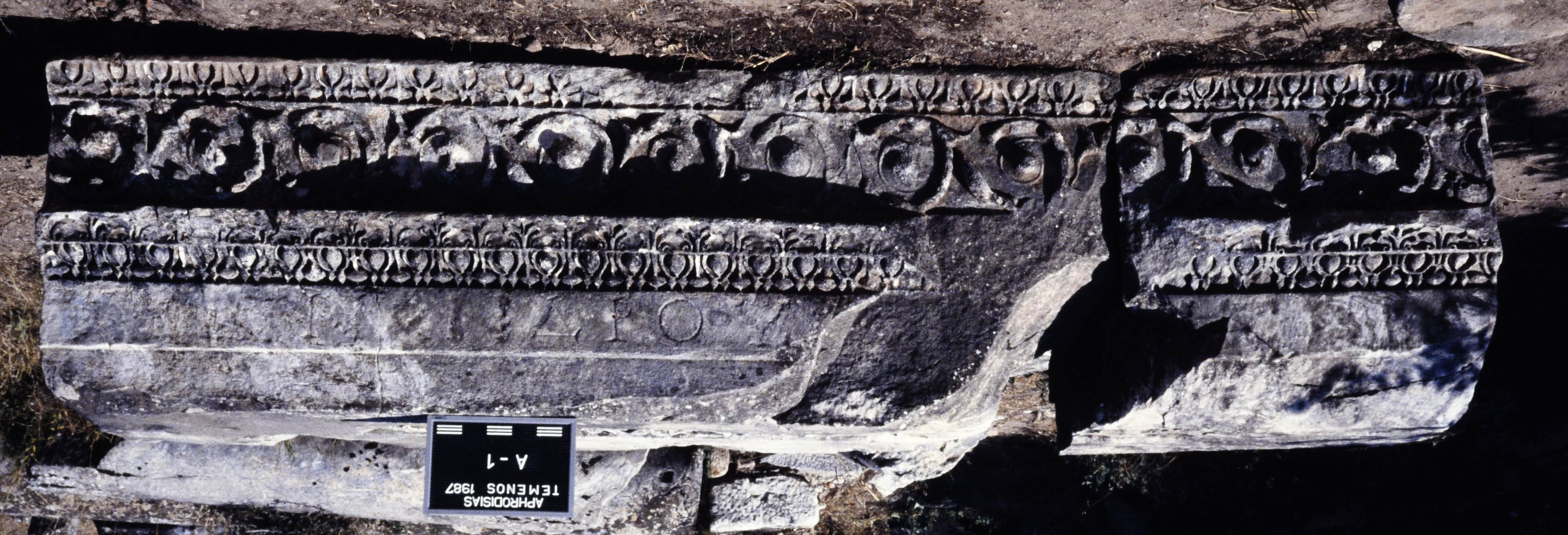
Fig. 7. Block g, complete (Mehmet Ali Döğenci, 1987)